One of my most fascinating discoveries in researching the Prohibition days of Norfolk County was the building of the ‘Grey Ghost’.
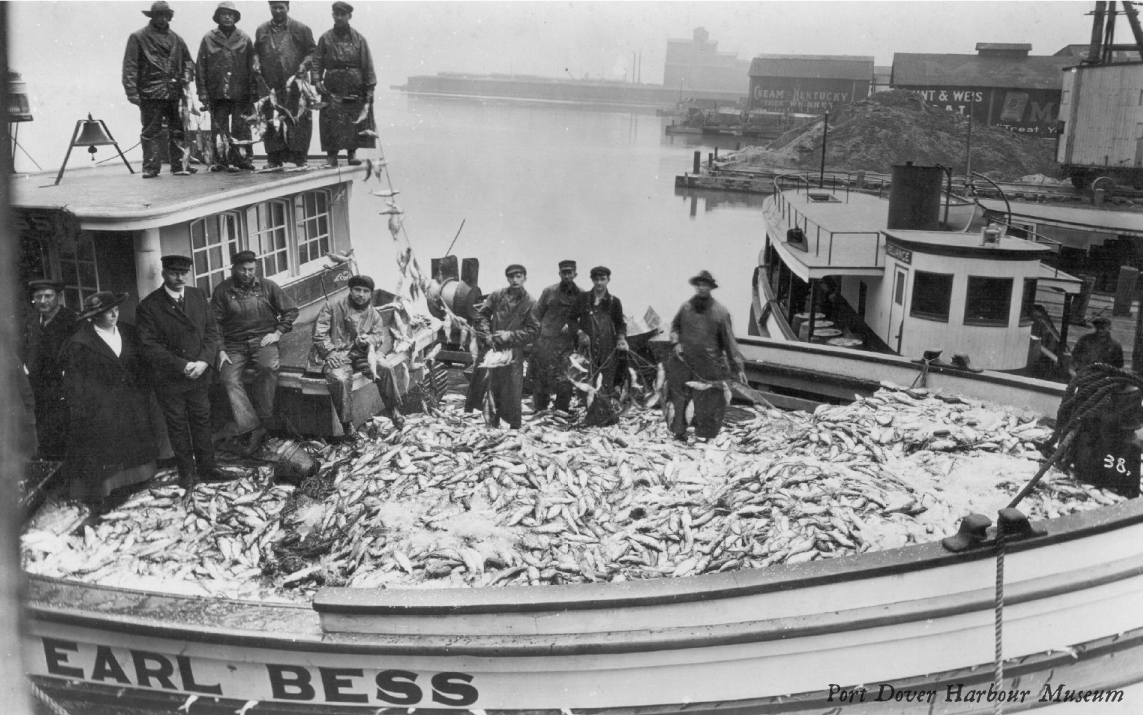
It was literally 100 years ago that small lakeport communities along Lake Erie’s Ontario shore were forced to transition from commercial fishing to other sources of income.

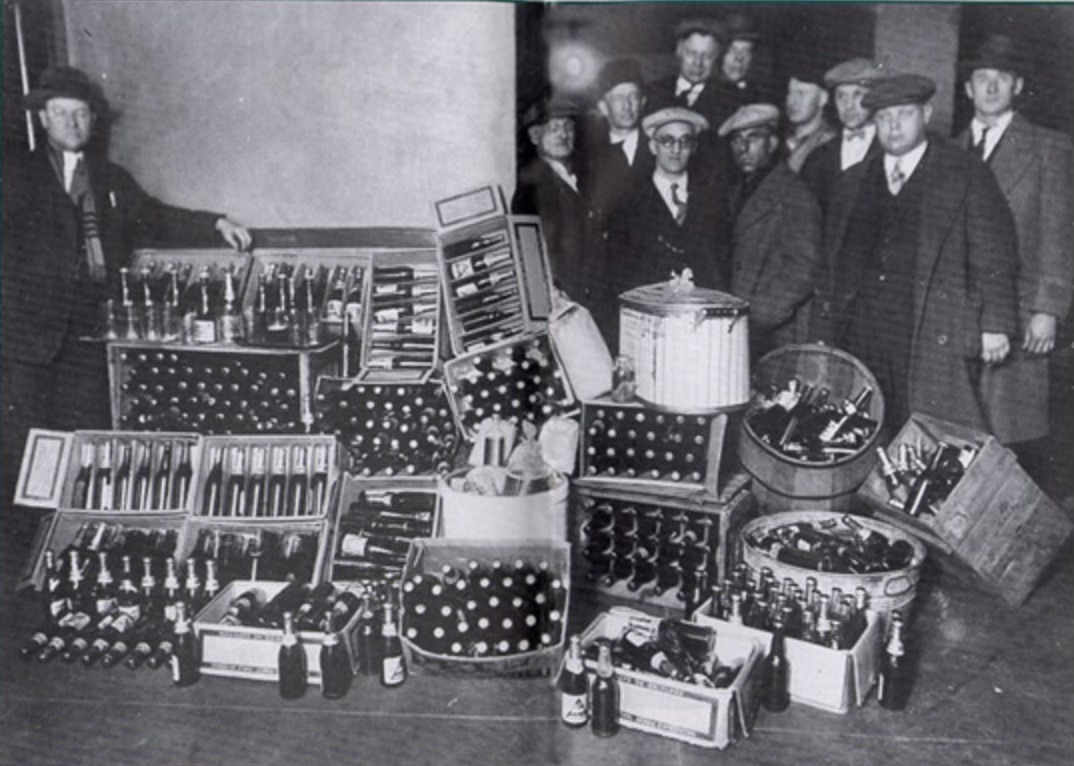
Not all fishermen, but many, resorted to delivering shipments of whiskey and beer. The primary vessel was their main asset, the Turtleback fishing tug. That is, until the Grey Ghost appeared.
Turtlebacks are gill-netting fish tugs. They got their name for the box-like construction that covered the hull of the boat. The canopy shielded the crews and their fish from the punishing effects of sun, wind and cold. The tugs themselves weighed anywhere from fifteen to thirty tons, stretched thirty to fifty-plus feet, and their cruising speeds, around eight to fifteen knots.

These vital statistics put the tug, and its crew, in fairly even competition with the US Coast Guard, and Canada’s own revenue cutters. Those large navy boats were armed and armoured, and could cruise between 10-15 knots.
Rum-running was a risky, but respected sideline opportunity for some fishermen. When not being pursued by the law, both in Canadian and US waters, the midnight mariners also had to beware of hijackers. Those gangs were the nautical arms of organized crime. Not surprisingly, they had contacts in Detroit, Chicago, Hamilton, Montreal and New York. What bubbled up from these associations was a radical concept: the speedboat.

The Grey Ghost was a steel-hulled, low profile, armoured delivery boat powered by one, or two aircraft engines. It was sinister in appearance, and undeniably designed to race across the lake waters undetected. Its Liberty-12 engines were army surplus. Ordered up during World War 1, the engines were originally intended to be installed in army planes that flew over Europe.

The Liberty-12 was a V-twelve-cylinder engine with an aluminum block. It had enormous power for lifting a biplane into the air. Who guessed it should power watercraft as well? While some tugs were still coal-fired steamers, the majority had moved to diesel. Gasoline was powerful, but dangerously flammable.
Along the Atlantic seaboard rum-runners had experimented with installing these engines in the steel speedboats. A fully-laden Grey Ghost could carry as many as fifty cases of liquor. When loaded, it could streak across the waters at speeds approaching fifty knots, over 90 kph. Today’s replica would be the monstrous, multi-coloured cigarette boats that roar along the urban shorelines of the Great Lakes.

The Grey Ghost’s advantage was timeliness and escape. No one saw it coming, and no one could catch it. This enabled smugglers to elude the clutches of the US Coast Guard and Canada’s revenue cutters, and to do it in broad daylight. Multiple deliveries in a day. It ruled the waves until the coast guard itself launched its own speed boats, well into the waning days of Prohibition.

The Grey Ghost was a winning solution for rum-runners, but understandably, it had some drawbacks. First, it traveled over the water, not through it, and if the seas were not calm, it was a bone-jarring ride. Second, it was noisy. Even with submarine mufflers engaged, the ride was so noisy that by the time it arrived, everyone was alerted. Third, and not to be ignored, it was so noisy it could scramble the brains of its drivers.
But that was the risk of rum-running. For all the excitement and story, get a copy of Fish & Whiskey, and see how two young lovers, Joey and Belle, survive the time. I include an American and Canadian Amazon link for you!
Enjoy!