direct mail, Economics, Marketing

How You Make Personalization Pay Off

Boystown CALENDAR HANGER

A 24-page color calendar, replete with country roads, cabins, barns, flowers and birds…lots of birds.

Personalizing a mail piece comes with expense. You are about to see the motherlode.

Gracing the letter with the reader’s name is one thing, but it’s quite another to match that to the envelope. For the fully committed direct marketer, there are personalization payoffs, and Father Flanagan’s Boystown shows us how.
Boystown Envelope

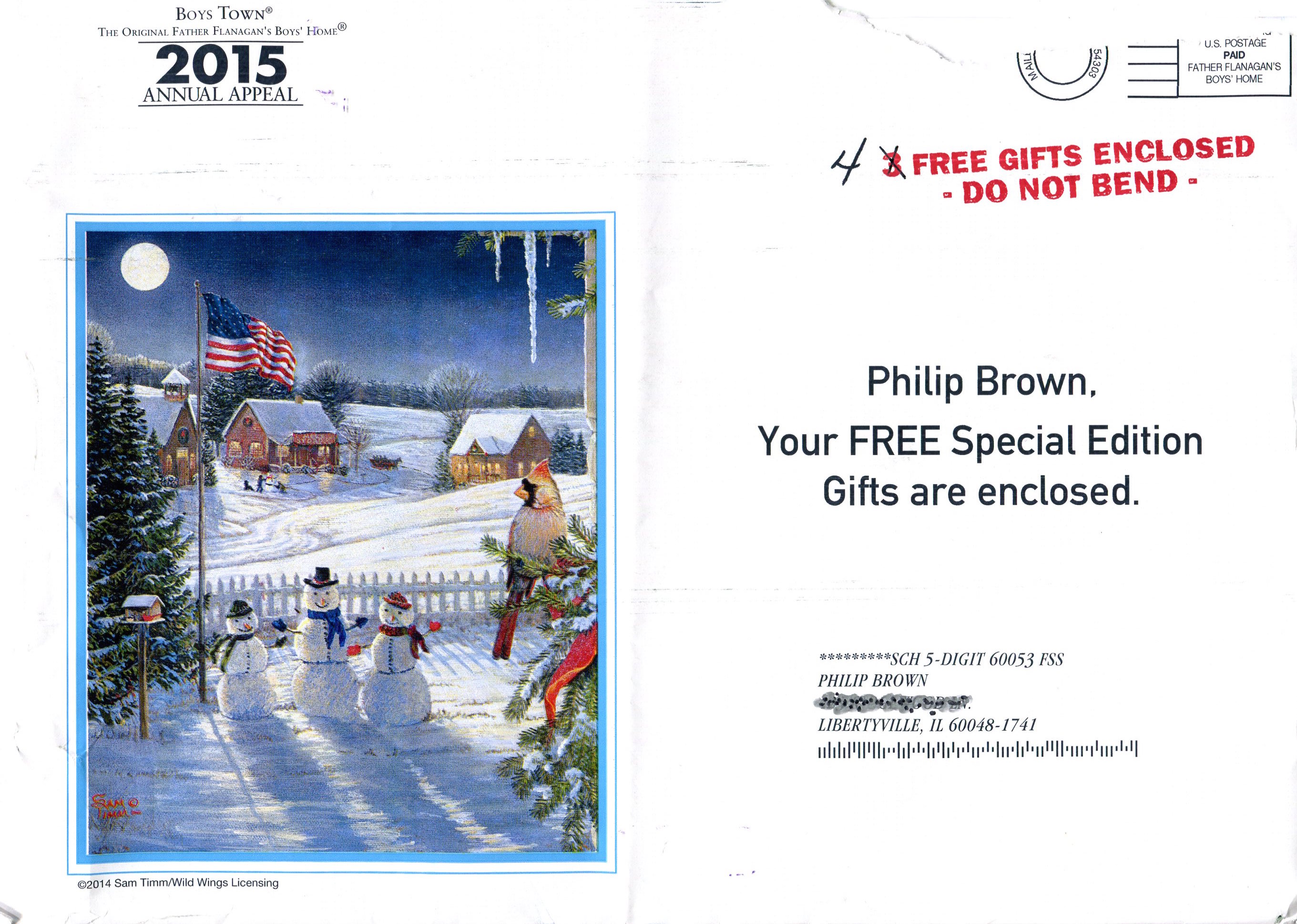
An outer envelope promising lots, and delivering, too.
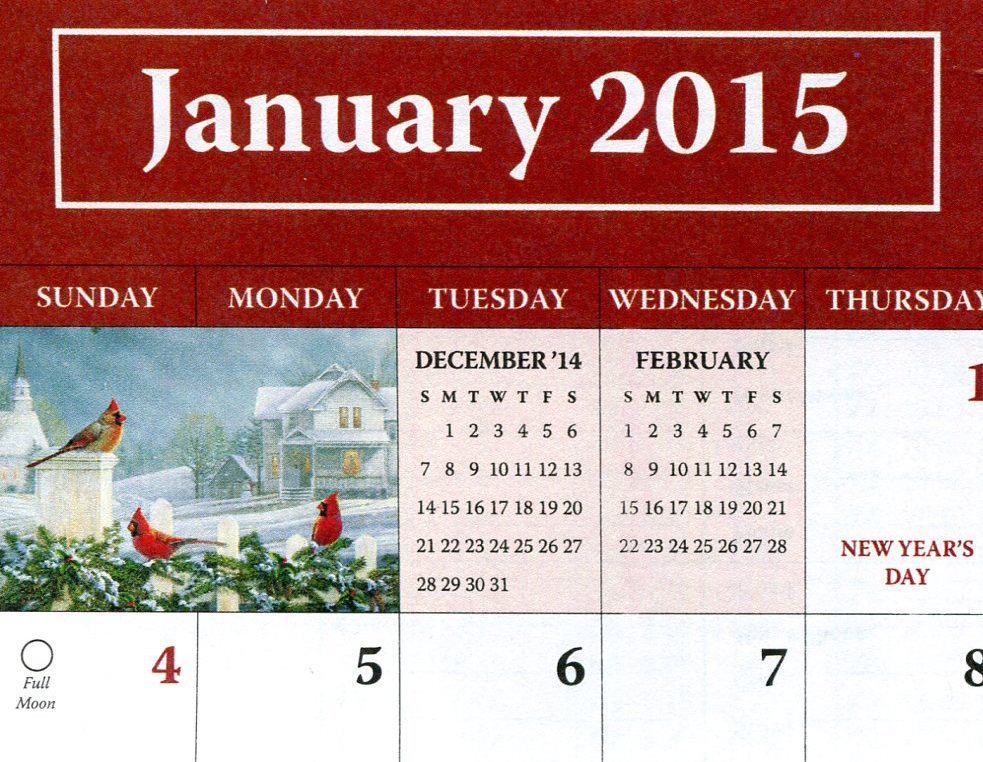
BoystownBooklet Bird Jan

January.. from the 36-pager booklet, with more birds…growing in numbers.

Just before Christmas we received a 9 x 12 envelope from Boystown announcing their 2015 appeal. The donor acquisition kit weighs about a third of a pound, which is huge. The outer envelope calls out, by name, that FREE Special Edition Gifts are enclosed.

“Free Gifts” is right. They send three calendars: a 24-page hanger for the wall, a 36-page purse calendar booklet, and an 8-1/4 x 10-3/4 calendar card.

Boystown    color labels

The color label sheet. High quality and keepable.

The whole collection is covered in Sam Timm nostalgia art: winter ponds, chimneyed log cabins, old trucks, old boats, old canoes and birds…. enough birds to awaken Alfred Hitchcock one last time.
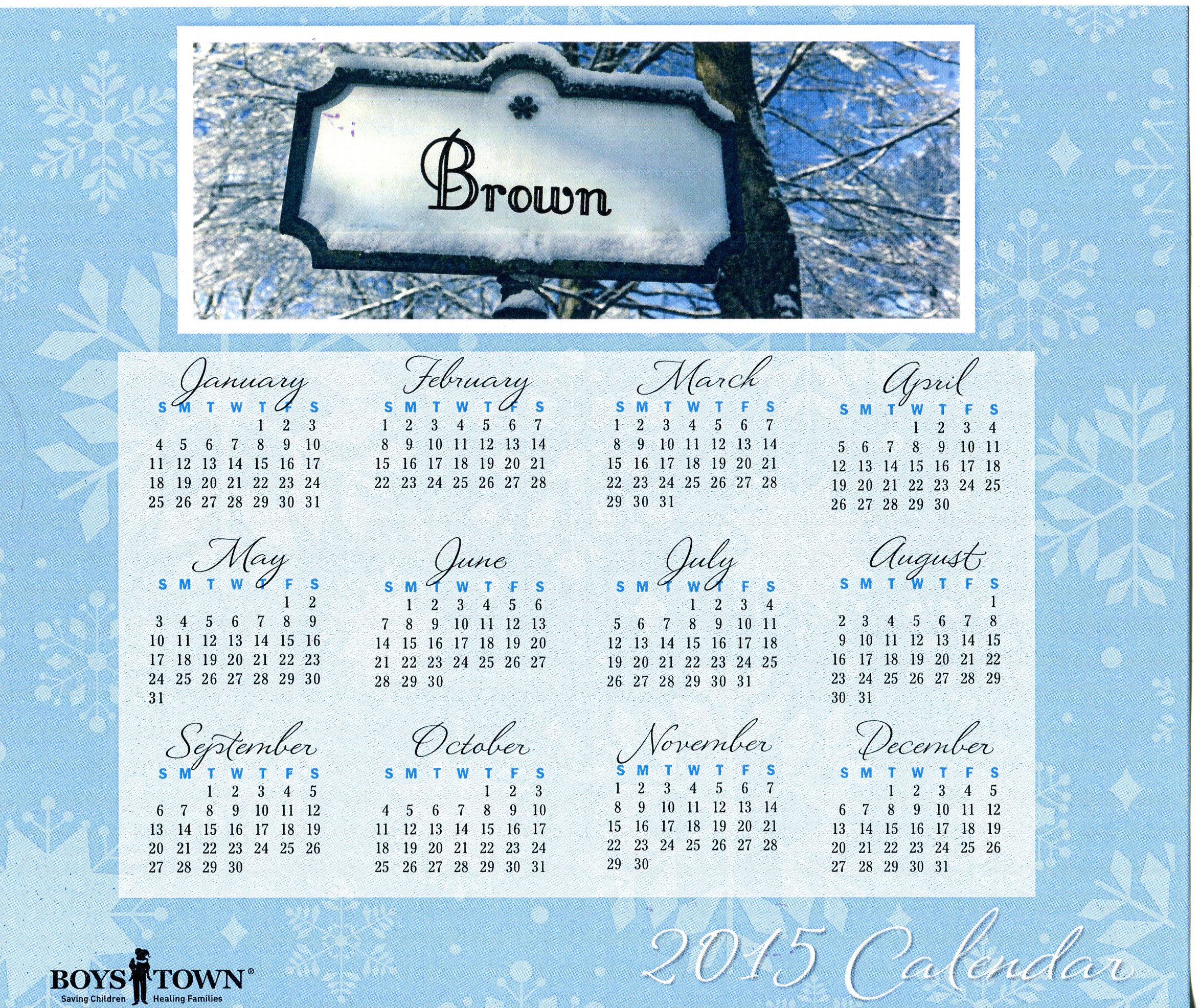
Boystown    028VGF Calendar

Another calendar, this one with a stylized street sign.

But the overwhelming effect comes from the personalization. Father Flanagan has managed to personalize 8 pieces in this whopper kit: the envelope, the letter, the reply form, the reply envelope, two sets of very nice address labels, a certificate and a calendar card.

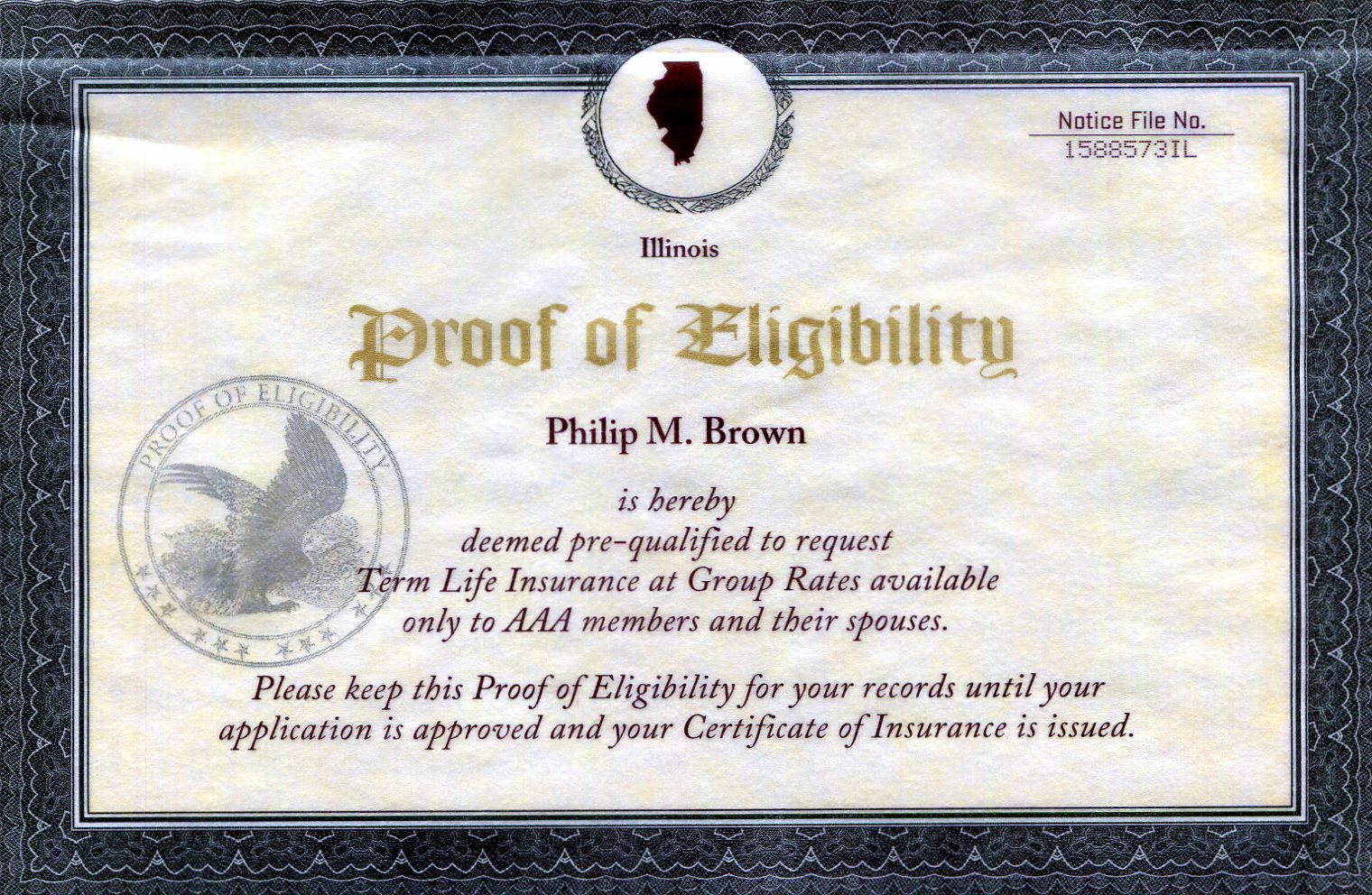
Boystown  Certificate

It’s only an acknowledgement, but hey, it’s framable.

Over the top maybe?

Boystown Johnson Box

A Johnson Box, personalized and tinted, captures the gist.

Not really. Remember, good direct mail is designed to be indispensable.   It is extremely difficult to throw out a kit when your name is woven into its making so admirably.   The proof: this is a control package, or very similar to past controls. So it is working.

What’s the math that supports this?

The kit itself probably cost around $1.80. Postage for a 6-ounce Flat at non profit rates is actually a bargain, add another 30-cents. Total cost in the mail, probably $2.25 after adding list and processing.  This is a guess, only, having not spoken directly with Boystown.

Boystown Gift Certificate

Individualized gift certificates, one of three.

Now, the hard part: getting paid. Assume the average gift is $15. To break even, we need a 15.0% response. ($2.25 divided by $15.00 = 15.0%)

And the really hard part: they probably won’t get 15.0% response.   More likely, they might achieve 8-10%.   Let’s say 10%.  So given that, every response came at a cost of $22.50 ($2.25 divided by 10% = $22.50).
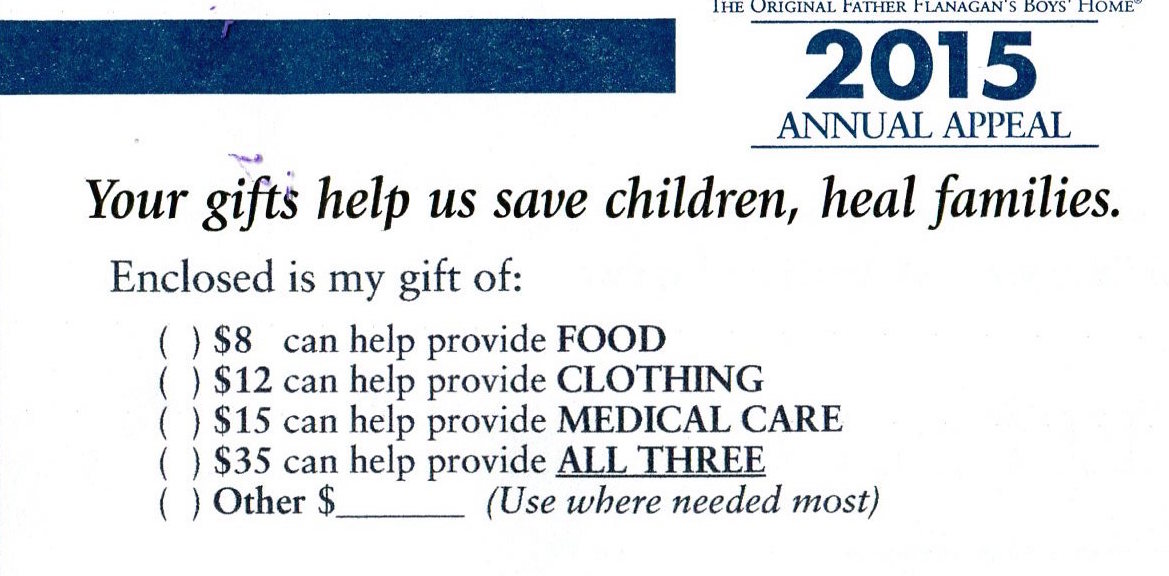
Boystown Donor Closeup

A strategic gift choice, Goldilocks-style. Let’s go for $15.00!

Is a new donor worth $22.50?   The answer is, “yes”!

By Father Flanagan’s 2012 financial report, they derived nearly $5 for every dollar spent in fundraising.  A very acceptable payback according to industry standards.  By the numbers above, the new donor will continue to give over time, well in excess of $113.00.
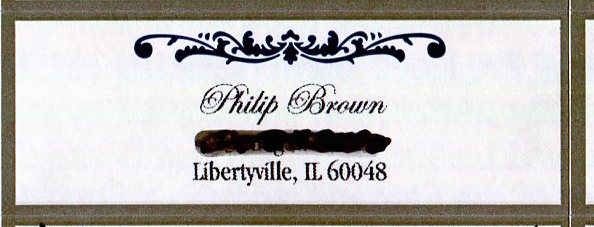
Boystown B&W Close Up revised

A set of stylish B&W labels in case I don’t want to give away the birds.
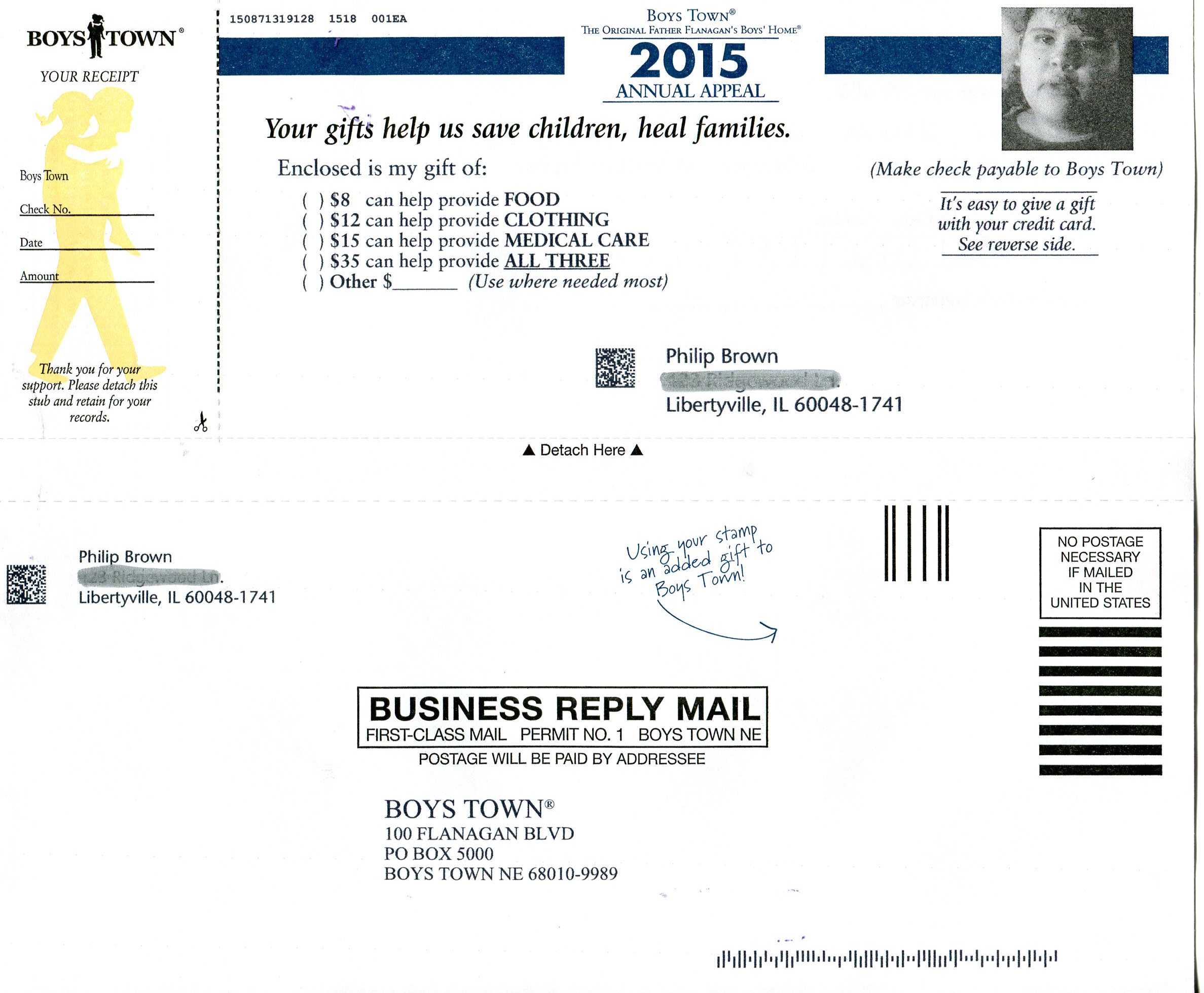
BoystownBangtail Reply

Personalized donor form and reply envelope. Note the QR code for tracking!

Again, this analysis is my perspective only, but a donor will continue to give to a worthy cause, especially one as well branded as Boystown.   And not only will they give today, but some will most assuredly make bequests after passing to keep the institution providing its valuable service.

So personalization plays a big part in winning support, and the savvy marketers at Boystown have done their jobs well in making it pay for their cause.

Thanks for hanging in to read all those numbers!   FYI, Boystown provided nearly $192 million in services in 2012, and in 2013, served 122,000 children and families across America.
Standard
direct mail, Economics, Marketing

AAA Goes Flat Out

AAA 2014-12-02 803

The door opener!

Want to know what stops just about anyone when they open their mailbox?

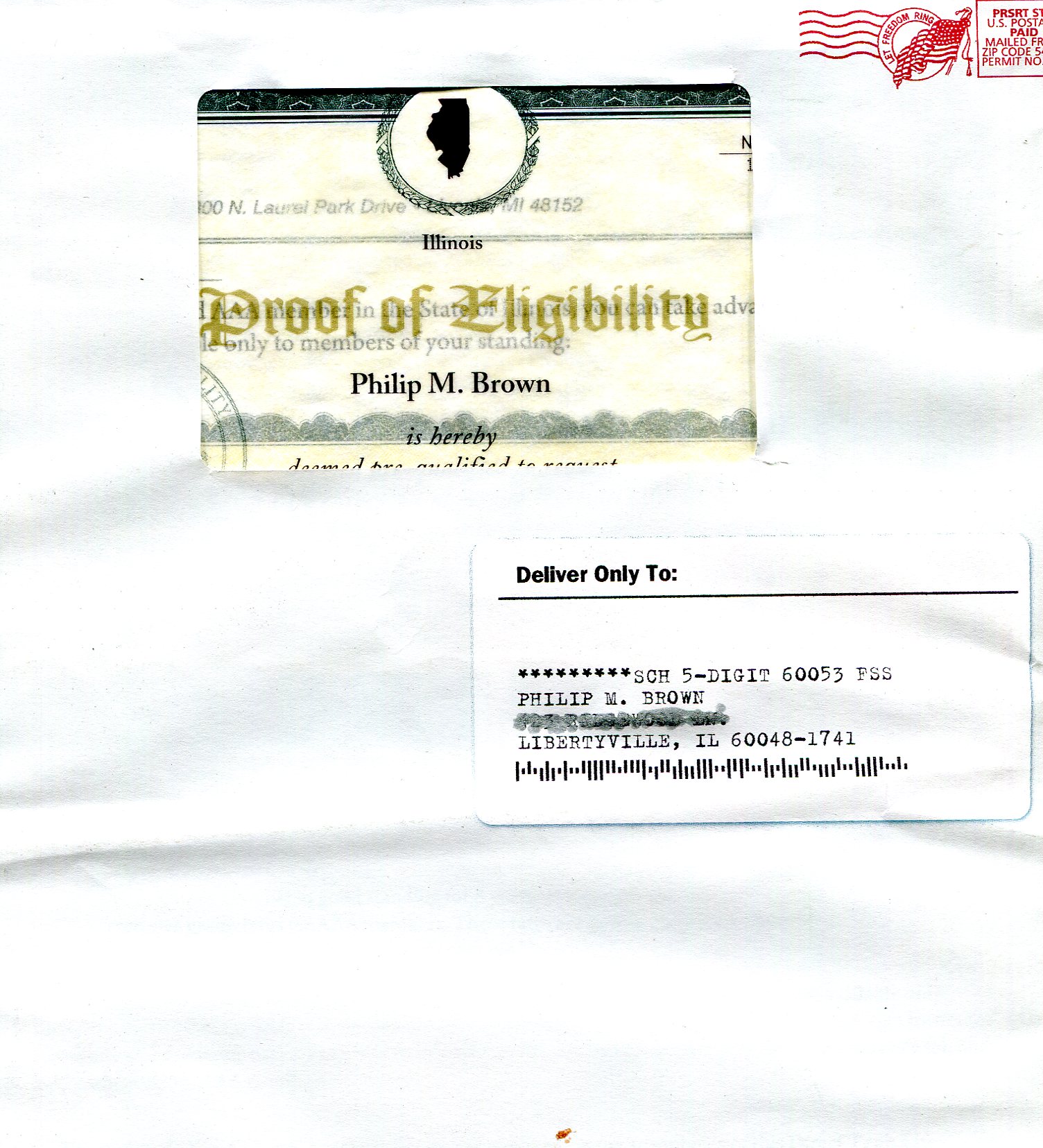
No, not a boxing glove. Instead, it’s a flat.   No, not a flat tire.   A flat-sized mailing piece.

AAA 2014-12-02 800

The 10 x 12 Flat. Size counts in direct mail.

So it is that I opened our mailbox to be confronted by a certificate-sized 10″ x 12″ envelope. Front and center, in portrait orientation, is an open window. As I peak through I see my name, in bold, printed below a 40-point, gothic type proclamation: Proof of Eligibility.  The State of Illinois is symbolically positioned above.

This manifest is shielded behind a thin sheet of parchment. My reaction? Better open this now.

I am not that naiive, I know this is a solicitation. But still, eligible for what?   Nomination? Higher taxes?  Bronzing?

AAA 2014-12-02 Label copy

A beautiful label… applied on a slant, with raised shading, is actually printed, not real.

As it turns out, it is the AAA Life Insurance Company, who has decided to give me a second chance to insure my remaining days.  Or until the age of 80, when all bets are off.

These are the same folks who sent along a policy kit a few months back.    That one was a flat too: a “fulfillment package”.   Presuming I am ready to sign up, it is essentially a welcome kit.   Regrettably, and unknown to AAA, I am disqualified from obtaining coverage due to a shady past.   So I deferred.

AAA 2014-12-02 eagle copy

The official seal of eligibility.

The reason I highlight the new kit is to point out the allure and attraction of the envelope.  “Proof of Eligibility” is vague.   But when it is presented so elegantly, it works.   How many of your incoming direct mail summons use parchment?   40-point Gothic?   Not much I am guessing, since the Sheriff of Nottingham died.

The design strategy of this AAA kit is to get opened.   My bet is that better than 90% of the recipients do open it.   It is irresistible.

From there, the internals have to carry the freight.

The big question you should be asking is why spend the extra postage– probably 15 cents– to send an over-sized envelope?

AAA 2014-12-02 802

The letter under the parchment, complete with filigree.

Do the math.   In a standard #10 envelope, the kit, list and assembly would cost about $250/m.   Postage, another $200/m.   Total, $450/m.

Now lay the papers flat, and place them in a big envelope instead.   Let’s say the production is cost neutral, but adding $150/m flat postage has just increased overall cost by 33%.

The bottom line in direct mail: raise your production cost 33%, you must increase response 33% too.

So if the small envelope garnered a 1% response, the flat needs 1.33% to stay in the game.

From personal experience, I know this is achievable, and judging from AAA’s use of flats before, it’s probably not unusual for them either.

AAA 2014-12-02 Eligible copyBy the way, what was I eligible for?  Discounted premiums as an AAA member.


Thanks for reading!   Never pass up the opportunity to go “big” in a mailing piece.   The cost may frighten you, but usually higher response will cover it.

Standard
direct mail, Economics, Media, Politics

Found: The Hidden Miracle in the USPS

Spoiler Alert: This Is A Good Story About Numbers
Every year the media touts the headline that the United States Postal Service lost another few billion dollars. Politicians get huffy. The digerati are quick to call the funeral home.

But in fact, the USPS has accomplished an amazing business coup in its mail delivery management.

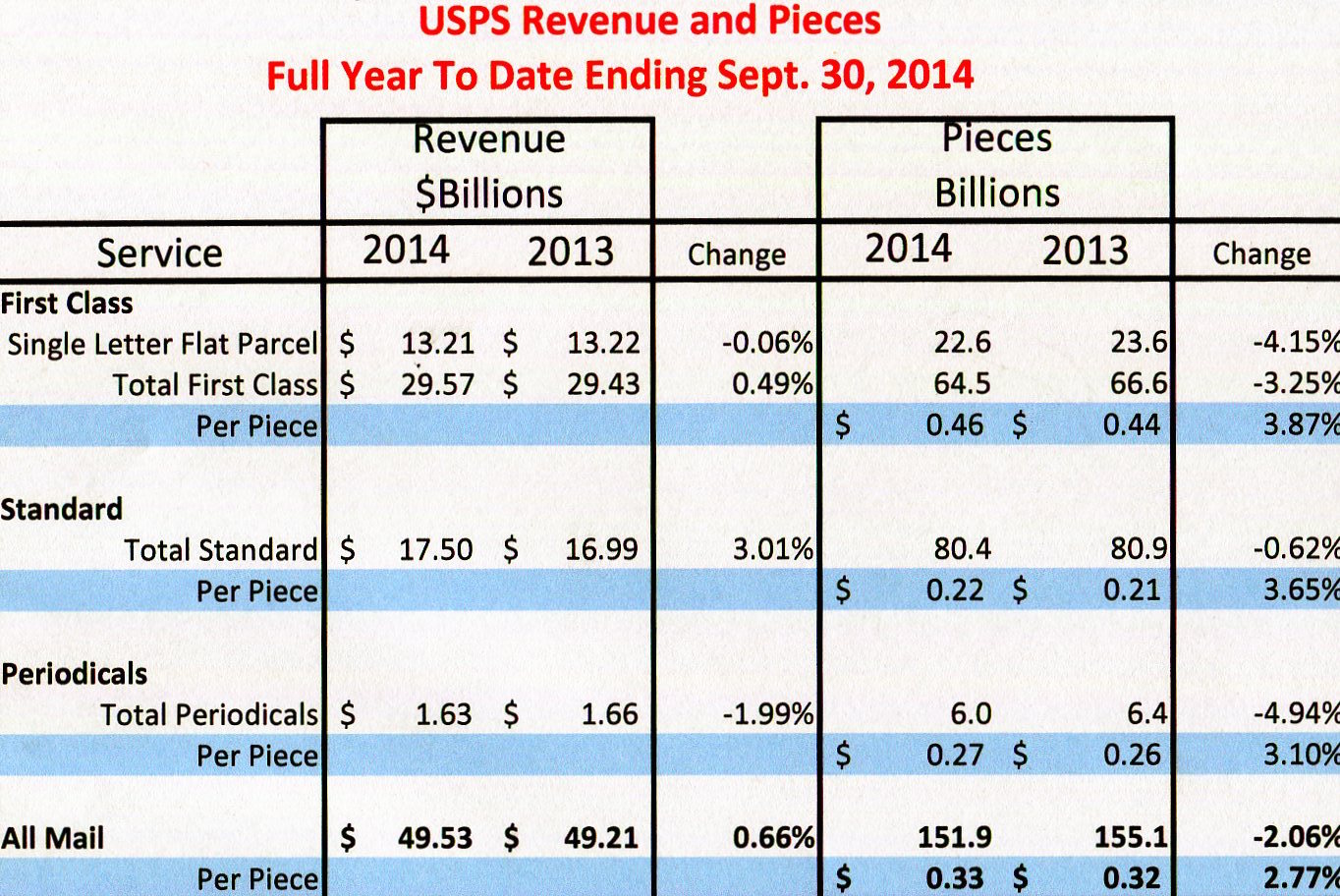
First, look at the current “bad news” available in the latest Revenue, Pieces and Weights report* for USPS full year 2014.   Figure 1 gives some highlights.

Fig.1.  2014 revenues were up 0.66% while volume fell 2.06%

Fig.1. 2014 mail revenues were up 0.66% to $49.53B while mail volume fell 2.06% to 151.9B.

Mail volumes decreased from 2013 to 2014. A 2.06% decrease to 151.9 Billion pieces. “Pieces” include letters, parcels, magazines and flats. The shrinkage may be attributed, if you wish, to a blended increase in price (postage) from 32 cents to 33 cents per piece. A 2.77% increase. But it probably has more to do with society’s use of email.   We would just as soon email Gran a singing birthday gift card as send her a parcel.

Dig deeper and we find that First Class volume shrank 3.25% while actual revenues increased 0.49%.

Postage per piece went up 2 cents, or 3.87%

What we know about mailing economics is that there is no elasticity. When postage goes up, volume goes down.

This is the fundamental truth of direct mailers. They maximize performance through testing list, offer, format and copy. The best performance becomes the economics benchmark. So when Standard Postage goes up 3.65%, we expect some mail to drop out, which it did: 0.62% less.

Amidst The Bad News, A Twinkling of Brilliance

November 14, the USPS presented its preliminary financial results to the Board of Governors. It declared a $5.5 billion loss in income. That made headlines. What was not picked up however, was its mail operations performance. You see, its operations income was $1.4Billion profit.

What that means is that the USPS moved nearly 152 billion pieces across the country to over 140 million addresses, six days a week, and did better than break even. What was the all-in price per piece to the mailer? 33 cents.

2004 Eye Opener

Now lets look at the real miracle of the USPS by comparing 2014 with 2004.

Ten years ago, it delivered 206 billion pieces for $65.87 billion.

Cost back then? 32 cents each.

Not bad! A one-cent increase in 10 years. Despite a 26% decrease in economies of scale, its performance eroded only by a penny.

Surviving The Ravages of Inflation and Restructuring

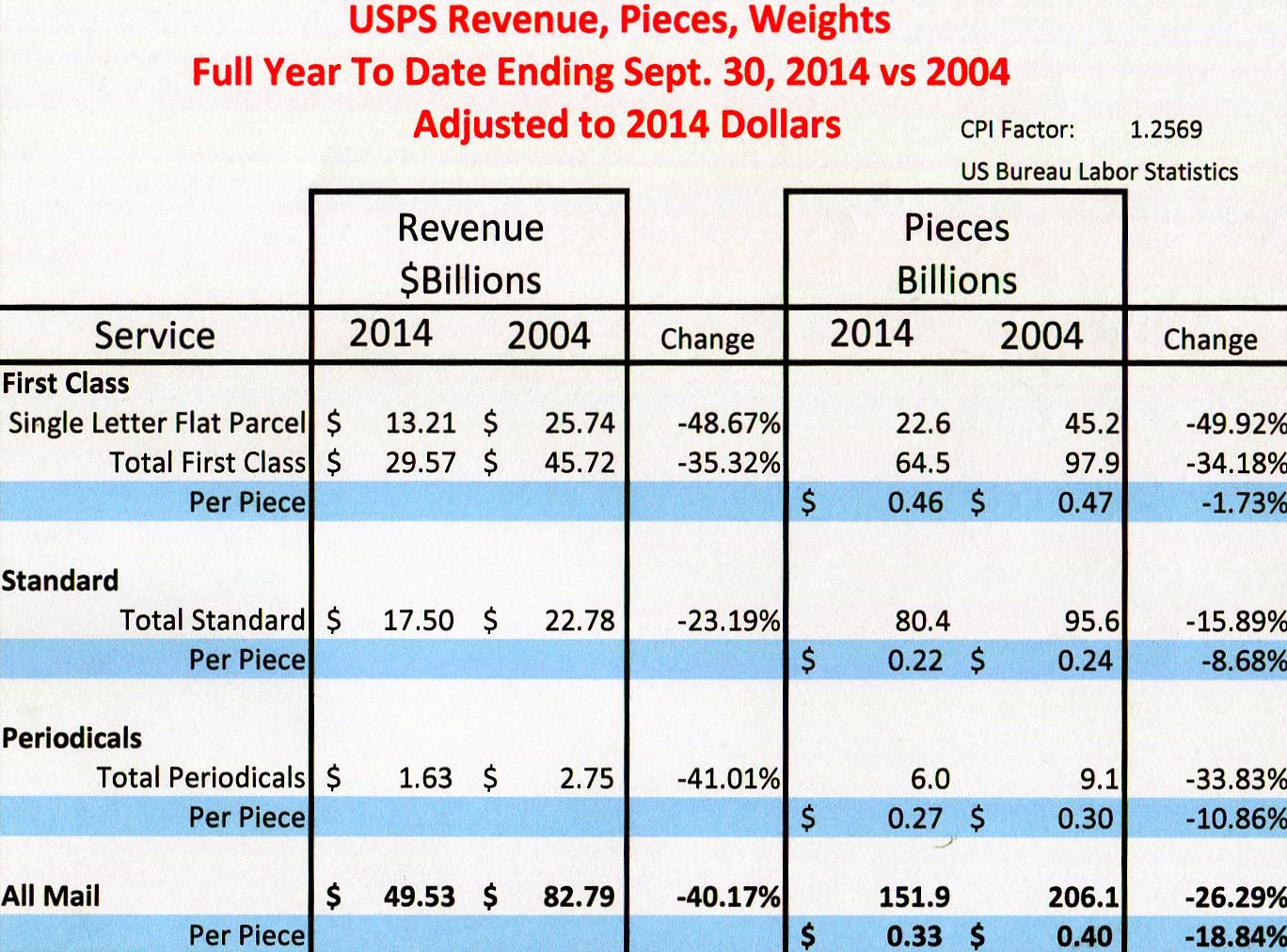
This does not begin to recognize the efficiencies the USPS has managed to achieve in the last ten years however. It disregards the massive cutbacks in volume, and the inexorable devaluation of the dollar. Look at the 2004 figures when they are expressed in 2014 dollars.  See Figure 2.

Using 2014 dollars it cost 40 cents to a mail apiece in 2004, versus 33 cents today.

Fig.2  Using 2014 dollars it cost 40 cents to a mail a piece in 2004, versus 33 cents today.

According to the US Bureau of Labor, we have experienced a 26% increase in prices. In other words, it takes $1.26 today to purchase what $1.00 would buy in 2004.

Applying the CPI to USPS figures then, we find that in 2004, it cost 40 cents to mail a piece, versus 33 cents today.

Standard Mailers would pay 24 cents in 2004 versus 22 cents today. First Class mailers would pay 47 cents, versus 46 cents today.

Magazines: 30 cents then, 27 cents now.

USPS: Economic Movement of Value

This government agency may have its critics.   The oracles may claim that mail is antiquated.   But they can hardly explain how well the post office has learned to distribute real property coast to coast at ridiculously low cost to the consumer.   Email and Internet may be instantaneous, but they both lack the credibility of hard copy delivered under government seal.

It can be said that mail is slow, but it maintains its cache because it is trusted.   We need to acknowledge the effort that the USPS has expended to bring us that service.


*The Revenue Pieces and Weights Report: http://1.usa.gov/1A8wEj1

Standard
direct mail, Marketing, Media

Triple-A’s Got You Covered!

AAA 2014-09-06 483

An 11×13 kraft envelope. Pricey, but outstanding in the mailbox.

The AAA insurance offer I just received is a classic example of a winning direct mail design, with an important twist: it’s a fulfillment package. By that, I mean that it fulfills my request for a policy.

Only thing is, I didn’t request it.

If you’ve ever been concerned about getting insurance, procrastination is the obstacle. AAA’s direct mail effort overcomes that challenge. Why it works so well is that it presumes I want coverage.  Like Radar knowing Col. Blake needs a pen before he asks for it.

I don’t need coverage. But there are a reliable percentage of people out there who really do want insurance, and this optimistic kit sets the table very nicely. Here’s how:

1. Trust: being a AAA member, I trust and use the company for roadside assistance, and a pretty much guaranteed 10% off any hotel bill.

2. The Envelope: unusual, but not weird. It’s big.   AAA is paying USPS a significant postage premium for this over-sized envelope, but as in life, size counts.   It’s kraft brown paper, portrait orientation, and has a “business forms” look about it with side zipper for opening.

AAA 2014-09-06 483 copy

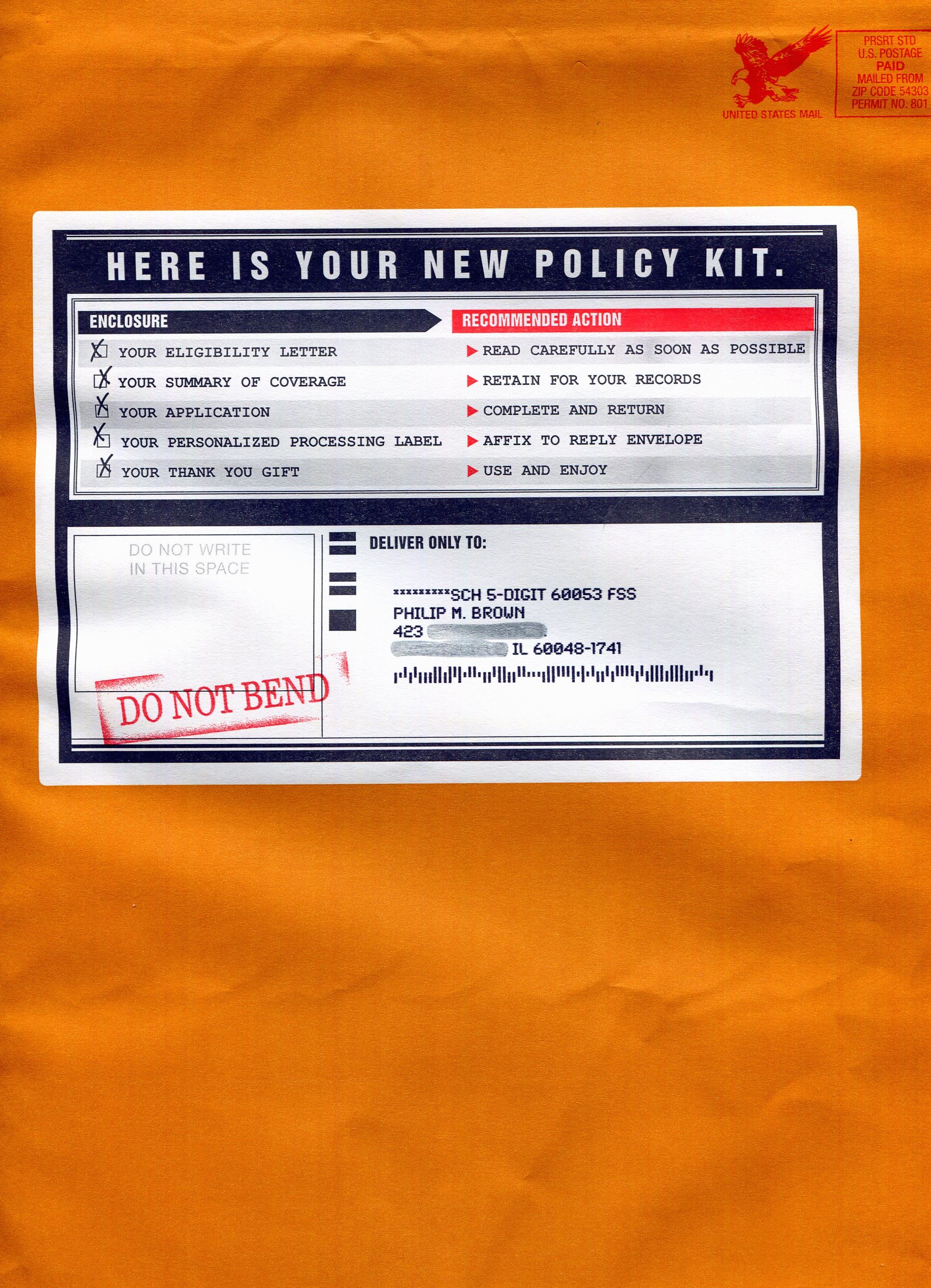
This label sets the agenda: there’s stuff inside, and it’s “yours”.

3. The oversized label announces “HERE IS YOUR NEW POLICY KIT”.  Yikes.  What’s this?

4. The manifest: the label details five items inside, including a “Summary of Coverage” which one would infer is already in effect. Amongst other things, there is a “Thank You Gift”, again reinforcing the fait accompli.

5. DO NOT BEND: marketers can only say this if there is a  legitimately unfoldable item within… like a sterling silver name plate… no, sorry, not really, but it does raise our hopes.

AAA 2014-09-06 484

“OFFICIAL ELIGIBILITY” is good enough. The zip strip advises to fold and tear off…as if we needed help.

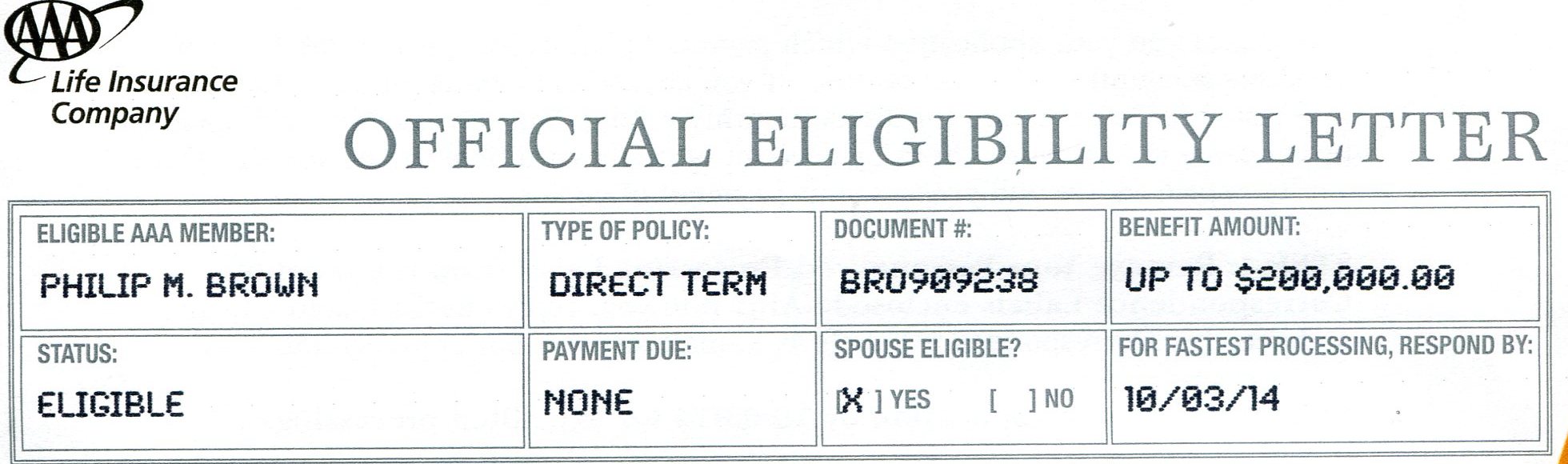
6. An OFFICIAL ELIGIBILITY LETTER: sounds a little pretentious. I would have dropped “LETTER”. But the title is followed by some computer-generated data dropped into pre-printed boxes.

AAA 2014-09-06 484 copy 2

Evolutionary Throwback: Upper Case Dot Matrix… for the 80’s crowd.

Note the font. Institutional in appearance, it would warm the cockles of any actuary’s heart just to hear the buzz of an 80’s-era dot matrix printer ripping across the page as a cogged wheel advances the continuous form.

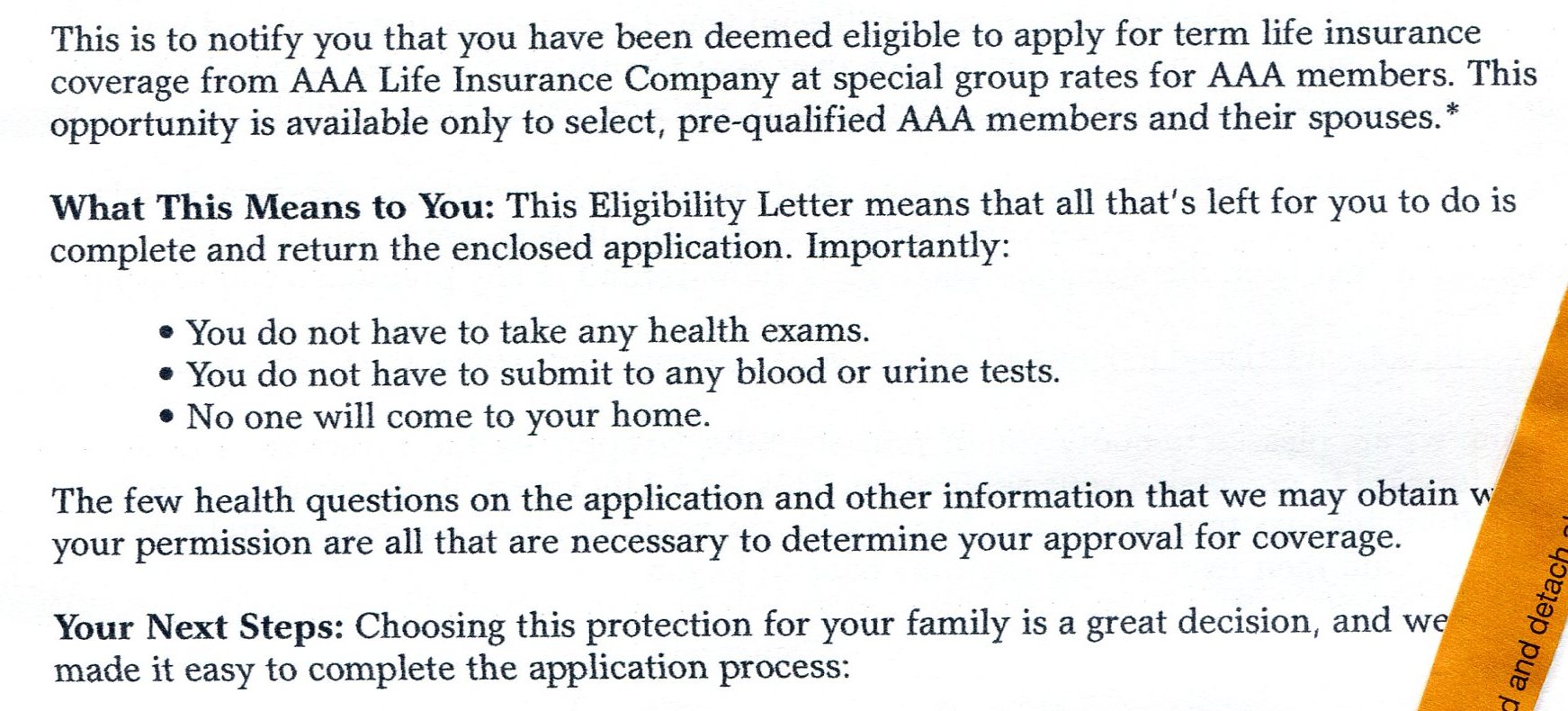
7.   The terse opener: “This is to notify you”

8.   The heads up: “What This Means To You:”

AAA 2014-09-06 484 copy

Commanding, but not demanding copy… and risk is eliminated in three bullets.

9.   Three “No Risk” bullets:  there are two kinds of risk in direct mail.   The obvious one is, “getting ripped off”.

The not-so-obvious risk is the personal hassle that follows saying “yes”.   This letter advises there will be no medical exam, no sending samples, and best of all, no sales person.  So we can put the latex gloves away.

10.   Your Next Steps: from here on, the letter simply instructs the reader how to apply.   There are 5 steps, the last being a deadline date which will be reinforced throughout the kit.

AAA 2014-09-06 485

Penmanship fitting for a President!.

11.   Very important: the letter is signed by a titled officer of AAA Life Insurance.   Unfortunately, I think the writer, Harold W Huffstetter, Jr. suspects that I am a nefarious check forger.   If that is his actual signature, I cringe at the zeal and rabid discipline of his 4th grade teacher who taught him penmanship.

12.   A personalized COVERAGE SELECTION CHART.  (Not shown) There are oodles of legal hurdles that surround direct mail insurance marketing– the prospective insured can’t complain for lack of information.   A close look offers a financial pat on the back for non-smokers, though.

Incidentally, dirt cheap prices start at 18 years of age.   Do Millennials buy insurance?   I doubt it, but it entices the Baby Boomer to look on.

AAA 2014-09-06 486

Application is highlighted and well-spaced.

13.   A color-highlighted application form.  Again, this form probably underwent a martyr’s gauntlet of legal reviews.  I like it because it adds color to an other-wise bland package.   And there’s appropriate spacing for names and addresses.

AAA 2014-09-06 486

This QR code (smudged for confidentiality) pulls up my information.

14.   But note the QR code in the upper right corner.   Could it be that I scan that and immediately apply online?  Nope, and a good thing too.   A distracting jump to a website at this point could kill the sale.

In fact, the QR code is for the data-entry folks at AAA.   When scanned, it identifies me, and all the tracking detail attached to my record.

AAA 2014-09-06 490

Questions are answered. Note the display of contents.

15.   The SUMMARY OF COVERAGE is explicit.  What is attractive on this piece is the table of contents on the front cover.   This is a benefit piece, and again, is described in plain, low energy language.

AAA 2014-09-06 494

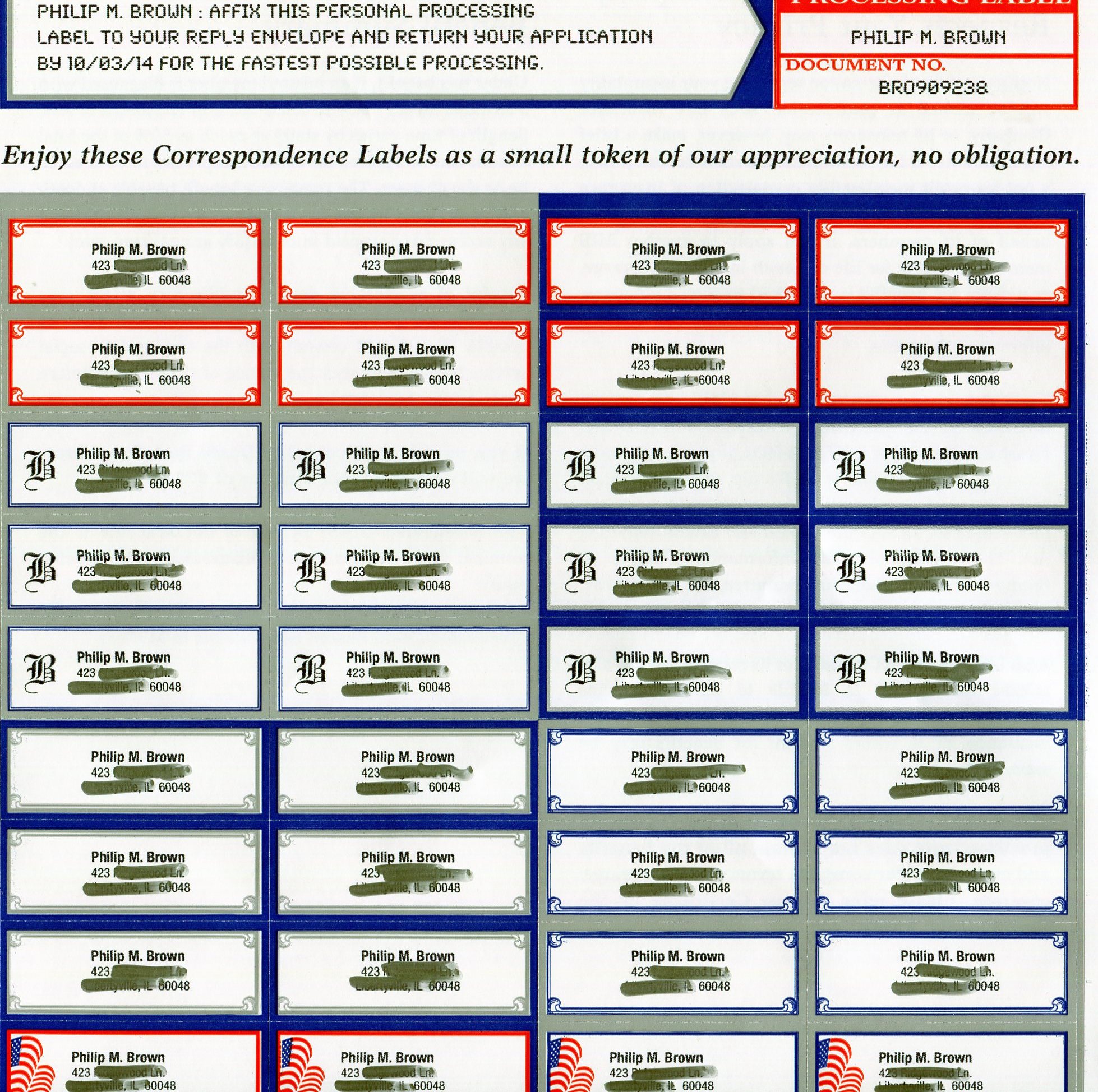
Labels. We will never have enough labels, really!

16.    My Thank You Gift.   This is what everyone looks for in the kit.   The unfoldable item.   Here, the gift is a set of address labels.

You know, there is a future for address labels that extends beyond mailing your next bill payment.

Address labels find themselves on everything portable: cell phones, laptops, tablets, phone batteries, cameras, dog collars, staplers, strollers and DVDs.   If it moves and it’s yours, it could use a label.   Warren Buffet may label every freight car of BNSF Rail some day.

AAA 2014-09-06 495

The reply envelope has two perfs. One for tearing, one for folding. Don’t mix them up!

17.   Lastly, a blue reply envelope with motherly reminders to sign and date your application and…AND… to affix your PERSONAL PROCESSING LABEL!

While you may think this is hokey, I bet you a dollar that AAA’s mail box is stuffed with reply envelopes that carry the label, regardless of its seeming irrelevance.   Why?  First, we don’t want to jinx our life karma.  And second, we like to play with sticky things. Honest.

One thing with the reply envelope– I wonder how many get destroyed by confused customers who tear off the wrong perforation.  white_scissors_u2704_icon_256x256A little scissors icon would help.

When reduced to ink on paper, insurance marketing is pretty staid, but consumer friendly.   What it lacks in emotional appeal it makes up in trustworthiness, as this kit demonstrates.   Most important, it didn’t try to sell; it assumed already that I was prepared to apply.

And that’s why it works.


Thanks for taking the time to get to here.   Please pass this along to your direct mail friends.  Thanks!


Standard
direct mail, Marketing, Media

Tempting The Fates: 21 Ways To Miss A Mail Date

Just taking the time to share a thought or two while rushing to the airport.   My apologies to all my faithful readers who wonder why they have to scan this post.   But I was a direct mail guy, and the tangled webs of direct mail production may well be a metaphor for life in general.

Calendar-date-circledFor mailers, timelines are tight, the post office has rules, and nobody sees your see emergency as their emergency.   The laws of physics trump all wishes to the contrary. This catechism of faux pas are all reminders of actual events.


How To Miss The Mail Date And Likely Disappear Into A Black Hole

1.   Start late.   The corollary: take up the wacky idea by your boss to be in the mail by Easter.

2.   Assume that three weeks is 21 days.   It is actually 15.

3.   Skip the research: the offer is so powerful only a knucklehead could goof it up.

4.   Pull in the Creative folks with a “team-building” challenge: just give them the offer and let them work out the rest.

5.   Demand copy, comps and layout before you settle on the budget.

6.   Demonstrate your economic intuition: estimate the numbers, response, cost, sales.  Don’t be scared by the unknowns; you are a visionary risk taker.   Guess!

7.    Lean on your list provider.   Maintain project secrecy.   Ask for competitor ideas.

8.    Once Creative gives you format design, get your Printer to price it.   Ask for competitor ideas.

designs-envelope-clean

9.    New Printer specs!  Get Creative to revamp copy.   Be firm with the deadline.  No dilly dallying, this is a mega opportunity.

10.   Flex your muscles. Go out to bid on print anyway.  Don’t tip your hand to the competition. Quantities should be secret.  Vague drop date.

11.    Don’t bug your lettershop with production schedule questions.

12.   A Power day for you!   Bless the newly found low-bid printer with their first order.   Advise impending drop date.  Quantities may go up.   Or down.

messy-desk

13.   Delay approving final art.   Experience has taught you that something could change later!

14.   You are a team player.  After rushing  final art approval, pass to Legal to keep them in the loop. (Noseyparkers!)

15.   Marketing brainstorm: boss adds a new version for a paper test.  No problem!

16.   Hold off approving printer’s proofs until Legal edits are changed on press.

17.    Advise the lettershop: a split run over two weeks.   Re-run list for goofy, inflexible postal demands.

18.    Ask your list house for more names.   Your boss wants to add his parents to the seed list.  No problem!

19.    Play hardball: hold off postage deposits with the USPS.

20.   Get proactive: advise your inbound phone center of the impending promotion.   Set up a separate meeting with the website folks.

21.    Share your wisdom with the new trainee: test the phone number.    When a “telephone dating service” answers, ask if you may borrow their number while your promotion runs.

I am sure that none of these instances have ever occurred in your career.  Lucky you!

I have to go now as there is an unaccountably stupid, long, glacially slow line-up in airport security today.

Be sociable! Share!

Standard
Economics

A Nickel For Your Thoughts

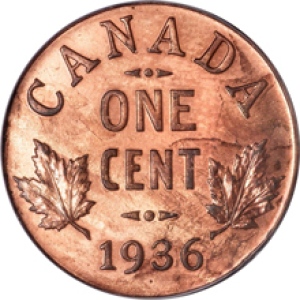
penny-1936-7877445Our neighbor nation to the north– those hardy, conscientious folks who are the first line of defense against the arctic chill lost a battle this past spring.    The Canadian penny was removed from the endangered species list, and officially extinguished, i.e.. it is extinct.

The argument against its survival was that it cost more than it was worth.  Which is a stunning confession to be made by any government official anywhere.

But there you have it.   The upside is that every child in the nation will now learn the important arithmetic of rounding up and down to the nearest five cents.   There is the clever, political subtlety that the Canadian government did not eliminate “cents”.  It is still legal to use a cent: talk about it, write it, or include it in important bank interest statements.   Retailers can still charge you cents, but you will pay according to nickels.  The penny is the ghost on the sales counter that haunts all transactions.   Everyone senses its presence, but it can’t be seen.

The move has rocked the net worth of the country.   According to the Royal Canadian Mint, there are 35 billion pennies at large in Canada.    About $10 per person.    Turns out there are nearly 19,000 tons of pennies stashed away in cans, desk drawers, pants pockets and chesterfields which have been devalued by a factor of two.   You thought you had a jar of $12 bucks in pennies?  Nonsense.   You have enough copper and zinc for a Venti Frappuccino.  

Where this new found economy takes us, is to another government agency in on the conspiracy: the post office.    Canada Post has announced its new plan to modernize and overhaul the postal system.   This includes raising the price of a single first class stamp to $1.00.    A buck!  Unless you purchase stamps in bulk, when you will only have to pay 85-cents.    See how that works?   No pennies!!

lady letterbox

Compounding this elaborate pricing strategy is the plan to curtail household delivery.   Before long, Canada’s mail will be delivered to a community box at the end of your street.   This will precipitate two additional behaviors.  First, neighbors will have to speak to each other when they visit the box.  Second, they can remove the riveted, burnished steel “No Junk Mail” signs from their doorsteps.

junk.letterbox

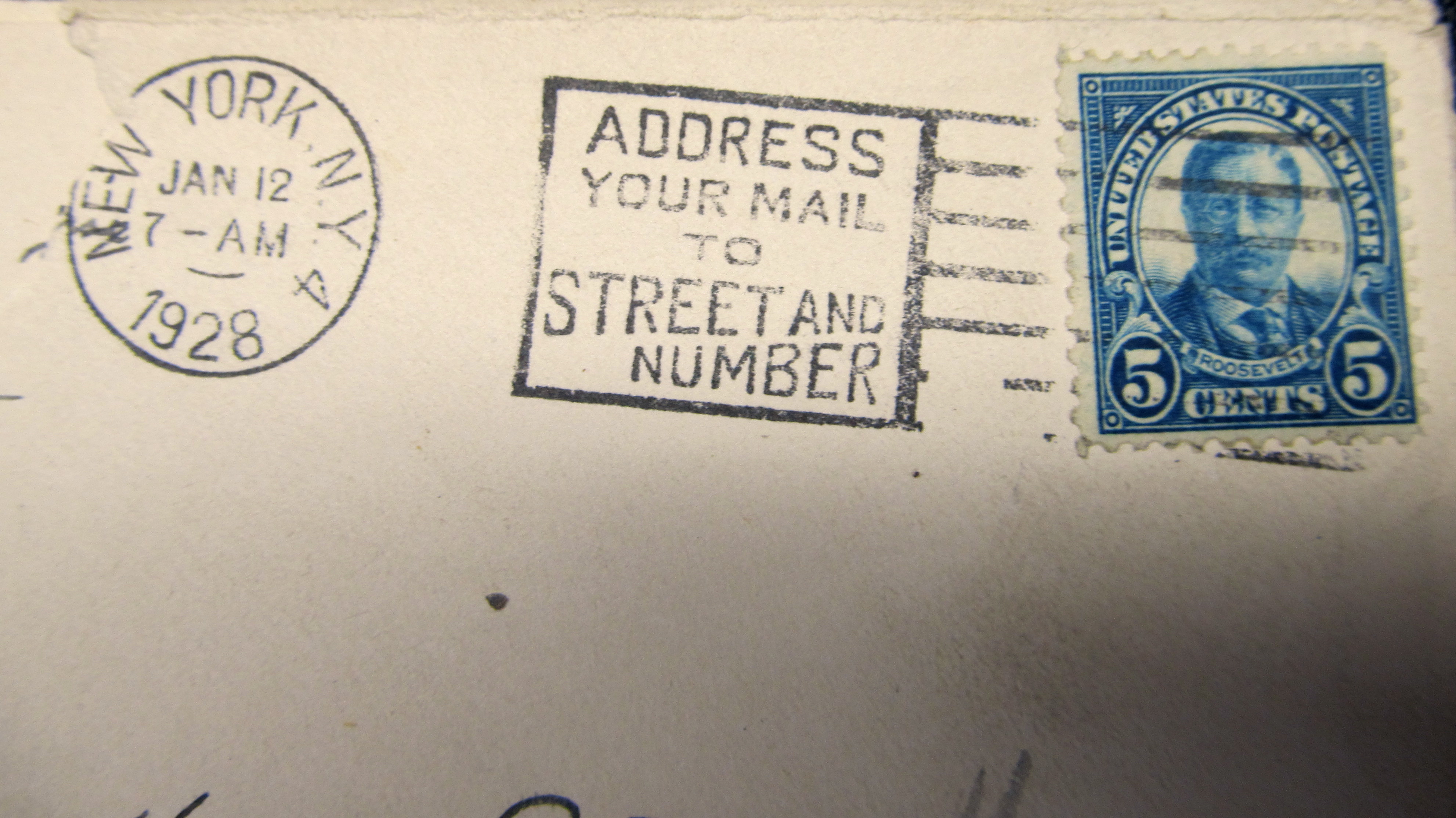
Truthfully, the United States Postal Service has a similar history of thriftiness.   They too decided that the customer should share in the work of delivering the mail.   In 1928 they thrust the responsibility of addressing onto the back of the writer!   No longer was it acceptable to merely place your aunt’s name on the envelope.   The USPS unilaterally demanded a street address and number.   Another typical example of  heavy-handed government.  Added to that insult was the price of a stamp: 3 cents.

IMG_6200And if you couldn’t find the pennies, you had to round up to a nickel.

Standard
direct mail, Marketing

DAV Makes The Numbers

I just received a mailing from the Disabled American Veterans, whose organization I frequently support.

DAV's Mailing to Past Donors

DAV’s Mailing to Past Donors

The mailing piece is illustrative of the investment DAV makes to raise money for their many services provided to America’s injured war vets.  If you have never received a DAV piece, you have not seen the abundance of gift stuff frequently mailed to potential as well as loyal donors: greeting card sets, bookmarks, calendars, and beautifully crafted address labels.   There’s nothing “junky” about a DAV appeal letter.

IMG_6191

46 cents postage, courtesy of DAV

What struck me about this recent letter was the inclusion of a reply envelope which was already paid with 46-cents of stamps.

Claiming austerity, most fundraisers ask you to provide your own postage.  Instead, DAV pays the bill.   Does it seem contradictory to you?   Or does it make perfect sense?   My guess is that providing the postage is a tactic to increase response, not necessarily the gift amount.   In other words, if a donor normally gives $10, the prepaid return postage tactic doesn’t get more dollars per donor, but it gets more donors: those folks who won’t allow 46 cents to go to waste.  And it’s unlikely many stamps get steamed off.

But here is where it gets interesting: what direct mail manager is willing to put their job on the line by suggesting they add 46 cents to the cost of every fundraising letter they send out the door.   “Are you nuts, or just plain stupid??” suggests their boss, popping TUMS once a minute.

“Riskophilic” may be the proper term.    Daring.  Or canny.  A little bit of math may reveal the truth.

You can look at DAV’s 2012 annual report which shows some numbers worth bragging about.  They earned $97 million in direct mail donations at a cost of $32 million.   Basically, for every dollar spent in direct mail they received 3 dollars in return.   The 3:1 ratio is pretty consistent every year, and by the way, their fundraising cost is only 19% of all their expenses, which is quite acceptable.

Anyway.  The letter I received had 5 Christmas cards and envelopes, a disclosure sheet, a letter, outer envelope and reply envelope.   With outgoing postage, I figure the kit was worth 75 cents in the mail.  $750/m.    Add an additional 46 cents, and you are at $1.21 for one piece of mail.   Multiply that by 100,000 and you have college tuition at Northwestern.

However: increase your cost by 60% and you need to increase revenues by 60%, to keep that 3:1 ratio.   Sounds challenging?   Just about miraculous is how I would define it.   You don’t get swings like that.  But the beauty of direct mail is that you can test it both ways, with and without the extra stamps.   Clearly, the test proved  positive, in a good way, so the DAV is keeping the USPS afloat while making money for its vets.

There’s more at work though.   That crazy manager also has another equation in his or her head.   It answers the question: how much revenue with every piece mailed?   If each piece costs $1.21, then each piece must earn $3.63 in donations.  3:1, right?    But only if DAV gets 100% of the people to respond.   What if only 15% of the people respond?   Then a $3.63 donation won’t cover the ratio.     Now the gift changes, and here’s the revealing equation: $3.63 divided by 15% response.   $3.63/15% = $24.20.   The average donation must be $24.20.

IMG_6190

The “ask” starts at $7.00.

Hmmm.  Look at the donation form on the letter.   DAV is asking for “$7… $10… $15…  or more”.  Whoa!   What if everyone just gives $7 dollars?    Well, again, this is what gets tested, and DAV is pretty confident that a $7 gift is acceptable.   My hunch is that if each gift is at least $7.00, DAV just about breaks even.   How’s that figured? Well, divide the piece cost by 15% response.   $1.21/15% = $8.07 average gift required to break even.  $7.00 is close.

Fortunately, my bet is that people give a lot more.   Without having any direct knowledge of DAV’s results, I can only guess that the scenario is something like what I have described.    And if it is anywhere close, DAV has some very good writers, and some very generous donors.    And some very deserving vets.

A salute to all of them!

Standard
direct mail, Marketing

DM: Cheaper By The Gallon

junk-mailIs it possible today that any direct mail we get is still worthy of the moniker, “junk mail”? Once upon a time it seemed that mailbox was overflowing with incredible stuff. But after the shenanigans of the 70s–no, not junk food; and in the 80s.. no, not junk bonds — that government and the USPS put the brakes on junk mail. Mean time, reputable cataloguers, mail order companies, insurance, fundraisers, retailers and publishers had raised the art to a science.

Today, there is a legitimacy hurdle so high for any direct mail business, that to clear it, you have to be very, very good. And what is that screen?  Economy.

110601-eggies

A typical all-in cost for a direct mail letter is around 30-50 cents a piece.   Compare that to 39-cents a pound for bananas.    Mail a 100 letters, and you can find the $30-$50 bucks in your back pocket. Mail a thousand, and give up your iPad. But mail 100,000 and you give up your new car. Mail a million pieces, and you have just mortgaged your home, or a boatload of bananas. That’s why direct mail is hardly junk. It is very expensive, and without this expense, it won’t work.  Time to re-think that Eggies-by-mail deal.

So who thinks it is junk? The persnickety consumer, of course. And why? Because they don’t want whatever is being sold that day.

The reality is that on any day, we consumers are suspicious, and very tight-fisted. I bet we only surrender to an unsolicited sales pitch about 2% of the time, regardless of medium: mail, phone, in person, on TV, radio, or email.  I do  admit caving for the Eggies, which for the record are a physical impossibility. The chickens had it right from the beginning.

IMG_5632
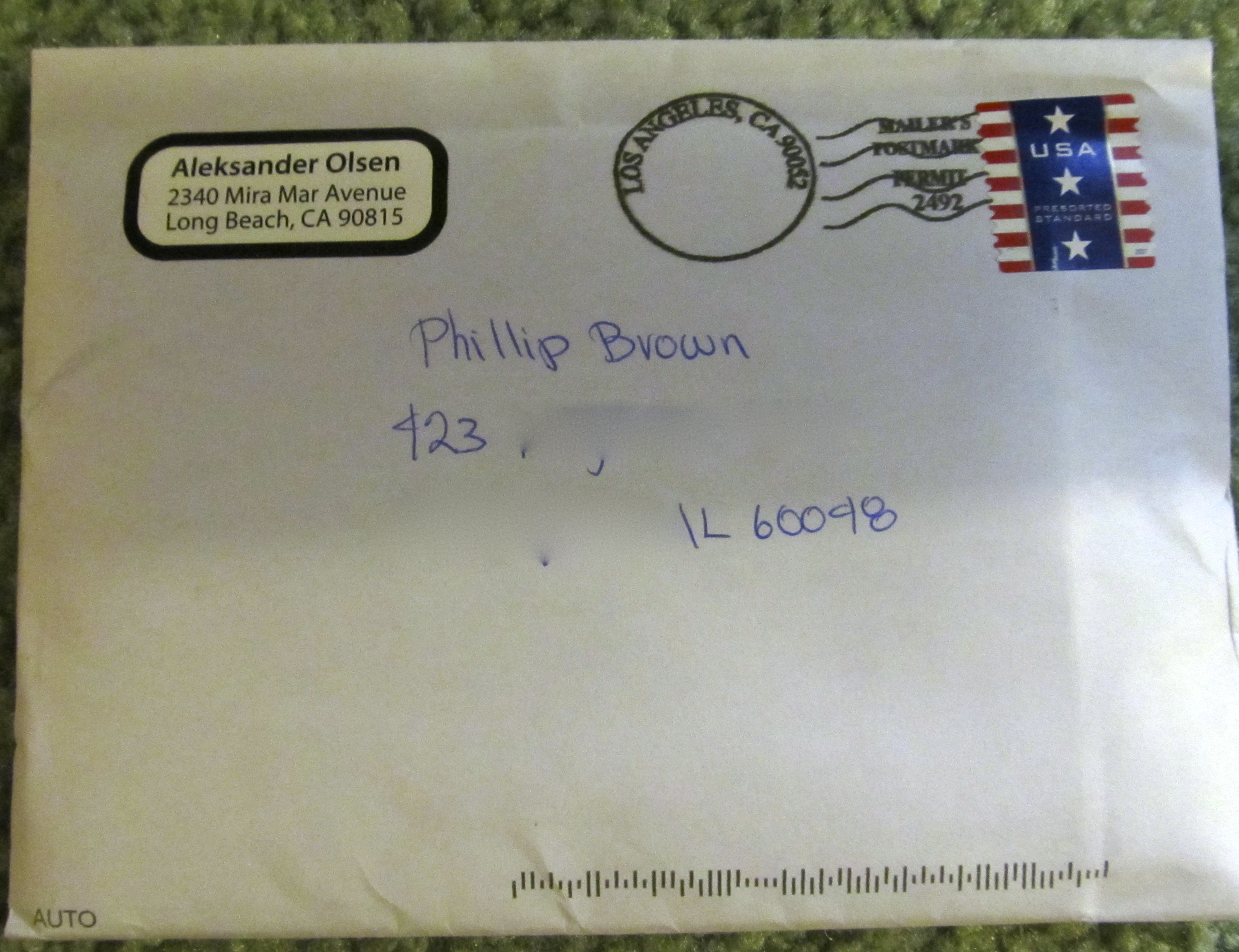
Which leads me to a piece I received earlier this summer. A mauve-colored, hand-addressed and stamped envelope, complete with a foil return address sticker. My antennae are up.   Would this be a well-wishing note from a long forgotten contact? A wedding invitation? Birth announcement? A request for money from a relative? All of the above?

No. Inside the envelope was a short note from the desk of Aleksander Olsen advising on the merits of a certain skin creme. Despite the tracks and furrows that criss-cross my shrine-like body, I was not hooked. Perhaps if his credenza had written, I might have been swayed.

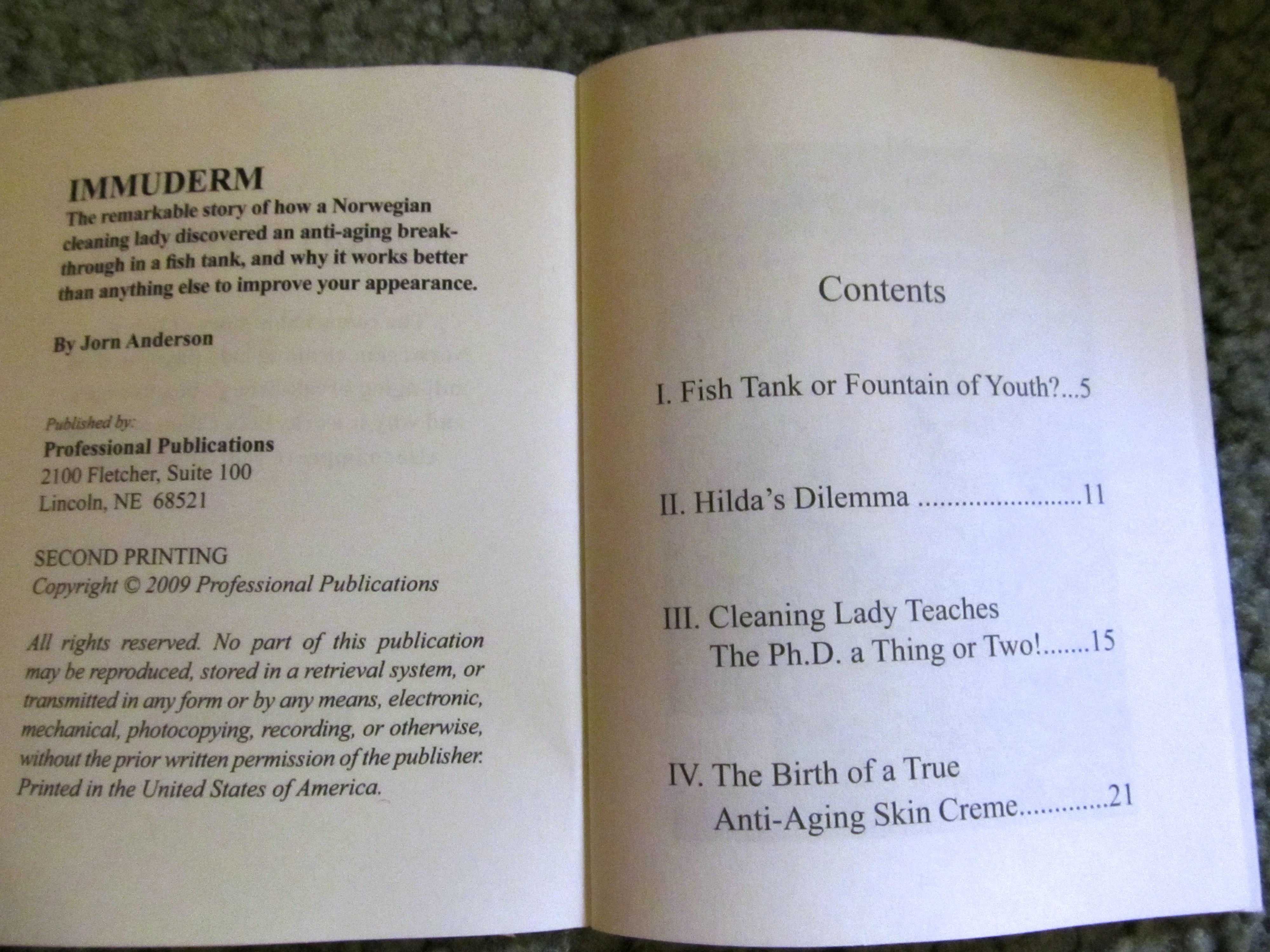
But Olsen’s desk also sent me a 32-page booklet, and it is a work of art.
IMG_5586
It is the tale of Hilda, a Norwegian cleaning lady, who, like her entire countryfolk has a crick in her neck from living on the side of a mountain overlooking icebergs in the North Sea. It turns out that she cleans fish tanks in Norway. If you haven’t been to Norway yet, fish is the main protein staple.   Hilda’s job would be similar to that of a stable cleaner on a Kansas beef farm.    Actually, I have never been to Kansas so I am only guessing on that.

In any event, the booklet unfolds a page-turning saga about Hilda’s travails in the tanks. Every evening at home, as she washes up for a night out on the town, she discovers under the layers of fish elixir a fresher, tighter, more supple Hilda.   She has reversed the hands of time!   The story introduces a series of sub plots, so spoiler alert, let me just say that she looks great, smells great, and I can too for just $60 on a tube the size of a shrimp.  Well maybe a lobster tail.

IMG_5587

The thing is, as obscure as this offer is, I don’t consider it miss-applied.   I have the money.   I certainly could use some air-brushing.    And who doesn’t have a secret wish to smell like a school of herring?   I wonder if Hilda has a cat.

So to my point: Mr Olsen’s desk probably holds a business plan that reveals  the path to riches selling oil of tank scrapings to prunes like me.    This is hardly a junk mail enterprise.

But it sounds fishy.

Standard