direct mail, Economics, Marketing, Media

Awakenings: What Happens When USPS Cuts Prices

Spoiler Alert: This Is All About Direct Mail Math

It was not a well publicized announcement, 10 days before Christmas, that the USPS will most likely cut the price of a first class stamp by 2 cents, April, 2016.  That’s a 4% cut!

Whether the consumer figures out that a letter will mail for only 47 cents is a question, but for the direct mail community, the news is big.

First of all, direct mailers don’t talk cents. They communicate in thousands. (‘000’s.) A 2-cent drop in mail cost is worth $20 per thousand pieces mailed.

Hopefully the marketing folks at USPS have now awakened to the merciless mathematics of direct mail. In the civilian world, when we experience a cost of living increase, we suck it in, or look for a raise in pay to compensate.

In direct mail however there is a brick wall facing an increase in mailing costs.   The reality is, mailers don’t manage by total program cost. Rather, they manage by cost per response.

For instance, if a charity spends $1,000 to mail 3,000 letters, it is because they expect to get a 2% response…60 donations, at a cost of $16.66 each.

That cost per response (CPR) is bedrock..an anchor around which all other budgeting decisions are made. So when the USPS issues a 1% increase in postage, the CPR goes up, which is unacceptable.

The Story Behind The Story

When the post office raises its prices, we experience the inelasticity of direct mail performance, because mailers must preserve that cost per response.  The only way to do that is to spend less on something else, and that is exactly what happens: smaller envelopes, fewer pages, cheaper paper, less ink, for example.

The bogeyman in this reduction process is that the cheaper the package, the lower the response, which drives up the cost per response again!

The end game option in this vicious circle is to cut out lower responding markets, by mailing fewer pieces, and diverting funds to other direct media.

None of this helps the USPS.

Mail Trends 2008-2015 Prove The Point

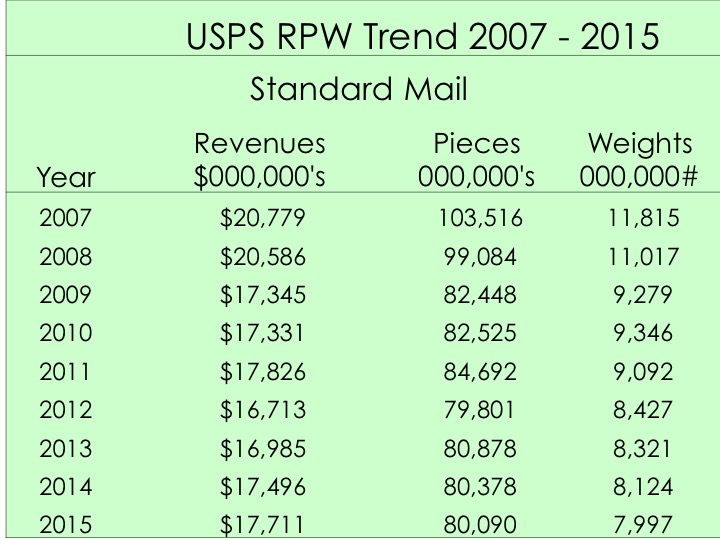
In 2007 the USPS delivered 104 billion pieces of direct mail, its highest performance in a 240-year history.  Next year, the U.S. economy had a collapse, and there was a 4.3% drop in direct mail.  In 2009, there was another drop of 16.8%, eroding 21 billion pieces over two years.

Slide1

From 2007 to 2015 Direct Mail volume shrank 24 billion pieces.

Revenues likewise fell from $20.8 B in 2007 to $17.3 in 2009.  $3.5 billion dollars–gone.  Looking for cash, the USPS raised its prices nearly 13% from 2006 to 2009.

The bottom line is that the USPS has held direct mail revenues in the $17 B tier ever since, with three more price hikes from 2009 all the way up to 2015.  Its actual revenue per piece has gone up from 20 cents to 22 during that time.  Direct mail volumes have stabilized around 80 billion pieces, down 23% from its stellar 2007 year.

What You Don’t See

Slide2

Revenue per piece grew 10% while weights decreased 13%.

While the USPS has been able to weather the economic storm, the quality of mail has deteriorated.   In 2007 the average piece weighed 1.83 ounces.   In 2015 that shrank to 1.60 ounces, a 13% decline in paper, ink, pages and envelope.  More post cards, fewer envelopes, fewer flats.

The irony in this is that the USPS is actually earning more money for every ounce delivered: 11 cents in 2007, versus 13.8 cents in 2015, a 25% increase.

The Good News

A 4% reduction in postage in 2016 may not mean much to the consumer, but to the direct mailer, it opens the door to better creative, design, and production.  These lead to better response, lower cost per response, which drives up mail volumes.  Whew!

This price cut is good, good news.

PS: Kudos to you for getting through this important math lesson!  Please share.

PPS: You can check all the numbers by reviewing the USPS Revenues, Pieces and Weights report which they faithfully publish very quarter.


Standard
Education, Media

One Mail Date You Can’t Miss

IMG_4675

Early cursive, having graduated from a straight pen to a fountain pen.

Valentine’s Day is nearly upon us. You need to prepare.  But just yesterday, in an important and related circumstance, our world was jiggled.

The news is that the State of Washington is considering a bill to re-install cursive writing as a mandatory subject in elementary school.

These things creep up on you.

It’s not that we missed cursive writing so much as we just didn’t notice that our children no longer write.

They print.

This is because the key pads of every digital device in the world host simple characters, void of any “joined up” writing.

In schools today, writing is no longer a strength. QWERTYUIOP is. This is the real impact of an analog world that went digital.

OMG!

Love Script 9

~”Steel Rail Blues” 

On closer inspection we find a more destructive force at work.

When our kids were divested of their writing skills, they likewise lost their will to communicate on paper. And what follows that is the total lack of understanding about commitment, letters, and the mail.

Love Script 1

~”P.S. I Love You”

In just over two weeks’ time it will be Valentines Day.   February 14th is the penultimate delivery day for personal mail.

Miss this date, and you are sunk, pretty much for the year.

The magic of Valentine’s Day is all about writing and receiving cards, and letters, which are totally tricked up and enhanced for impact.

Love Script 3

~”Mr. Postman”

Cursive writing plays a big role.

Getting Letters
Since the invention of papyrus we have lived in a world where written communication was executed using mail delivery.

A note arrived, not at the speed of light, but at the speed of foot. Replies were expected within weeks, not seconds.

Love Script 5

~”Return To Sender”

There is an argument that speed is of the essence. Why wait two weeks to learn that a love is requited when you can know thumbs up or down in nano seconds?

Answer: the wait is part of the experience.

Not knowing for sure can extract days of wistful, sometimes excruciating, wrenching anticipation of an answer.

Why spoil that with a text reply that will fit on a license plate?

Love Script 8

~”Nights In White Satin”

The effort of putting it on paper, combined with the plodding slowness of mail have been the guard rails of civility for centuries.

Writing gives time for the distillation of emotions.

Committing thoughts on paper gives solemnity and gravity to an otherwise flippant, momentary impulse.  By contrast, the most powerful, and potentially destructive word in the lexicon today is “Send”.

Love Script 4

~”Song For A Winter’s Night”

So we need cursive.   It takes practice and time to perfect.  It also looks nice, even when young hands, and older ones too, have difficulty forming the words.

There are two weeks remaining before a trip down to the mail box reveals your true feelings to a certain someone.

Make the most of your time.

Standard
Marketing, Thank You

How To Save Your Brand

AA TicketerThe most successful companies are those that everyone can place in a good story with a happy ending.

So it is that I can report to you that American Airlines gave us back our money, no questions asked.

It is a seemingly daunting challenge to get money out of a mega-giant company.  $45 billion in sales, 339,000 employees, protected by walls of service teams separated by deep moats of phone boards, websites, fax numbers, procedures and protocol.

Still, it only took two phone calls and a personal letter to initiate a resolution that delivered two valuable e-vouchers which we will use by January, 2017.

The Customer Relations Department looked at our problem and said, “Yes!”

Ironically, the same day we received the prized e-vouchers we also received an email from an earnest worker in the “Refunds Department” saying, “No.”  That was a belated response from our website submission of the original request, over three weeks ago.

We were delighted and satisfied with the turn of events, on many levels. First, we got our money back, no small deal in itself.   Second, American did the right thing quickly, within 4 days.  Third, and most important, American had recognized the value of a happy customer.

This last accomplishment is a twofer: of course, we will advocate on AA’s behalf, contributing to that word-of-mouth phenomenon wherein reputations are defined for good or bad.  But on top of that, American reinforced our belief in the goodness of the relationship, and that is the ultimate customer satisfaction, knowing we haven’t been ripped off by someone we thought was our friend.

I can’t stress this last point enough.  Brands live by their customer relationships.  The better a customer knows a business, the more profitable the relationship.  That’s because we buy more, we come back often, we cost less to service, and we bring our friends.

American Airlines’ Refunds Department, inappropriately named, failed on this test, but kudos to the Customer Relations Department that got it right.

Thanks for reading!  Please share, and to the readers who wished me luck in this venture, I can say it all worked out just as I hoped, and expected, that it would.


Standard
Marketing

Customer Loyalty In The Balance

PrintCan a world class company get out of its own way to keep a satisfied loyal customer?

Hopefully by the time this thought is completed, the answer will be “Yes”.

Right now I am waiting for a phone call from American Airlines, whose world wide revenue is $42 billion with 1500 planes in the air.  339,000 employees and 11.9% profit.  The satisfied, loyal customer is me, and I am banking that AA will understand its role as my first choice in air travel.

Actually, it’s my second choice. My first choice, since I was a child has been to fly without mechanical aids of any sort. Or feathers. After that however, American it is, all the way.

We all have flight horror stories.   Actually, not true again.

I do not have any nightmarish tales of terror-filled dives from 30,000 feet. No images of luggage bound for Hawaii disintegrating into shreds under a marauding gang of monkeys in Mumbai. I have never been displaced by an AA employee who didn’t try to make amends efficiently and with a smile. I like to think of myself as the perfect customer, and I want them to think that way too.

So it was, on September 22, 2014 that I paid American $1520 for two round trips to Barbados, departing February 3, 2015.

On flight day however, a severe medical event put our plans on hold. Speaking to American, the reservationist said, “No problem, we will get you on the same flight tomorrow. Here’s two new tickets. Hope you’re feeling better!”

Next day comes, and we don’t feel any better, so the trip is off.

Calling the reservationist at American, they take it all in stride.

“That’s okay Mr. Brown. You have until February 3, 2016 to use these tickets. It’ll cost you $400 in change fees, but there it is.”
Writing all of this down, we circled our calendar to plan a trip before February 3, 2016.

I am pausing here to listen for my phone to ring. I was told to expect a call from American shortly.

Anyway.    Just before Christmas, I opened up the AA website, and scheduled a trip to California. Then I called American to see how to use my old Barbados tickets.
“Oh, sorry Mr. Brown. You needed to use those tickets by September 22, 2015, the anniversary of their purchase.”
“That’s not what I was told.”
“You were misinformed.”
“What do I do now?”
“You can go to our website and try for a refund. Is there anything else I can help you with?”

All those warm and cosy feelings of customer loyalty and goodwill are drifting away, like 1,520 dollar bills swirling around the sewers of my jaded imagination.

No call yet, as I stare at my phone, but I am still confident that the Supervisor of Customer Service Supervisors is going to call me with understanding, and good news.

As instructed, I submitted a claim for our two tickets to be refunded.   This was tricky, because they only give 250 words capacity to state one’s case.   This is compounded by the site timing out, which means I  had to enter it twice.   I recorded the case numbers, as the site said it would require 4 days to review the request.   Ever hopeful of a logical, fair-minded manager seeing the obvious justice of my request, I closed out and went on Christmas break.

Yesterday, recovering from Christmas, I visited the website, plugged in my case number, and was informed, “No.”

Stunned, I troubled myself with doubt. There has to be a mistake.  Heck, there IS a mistake.  They said “No.”

So, an hour ago I decided to re-wind the tape and try again.    Back onto American’s website, I scheduled our California trip again, put the booking on hold, and then called American reservations to use my Barbados tickets.

I had my story prepared.   The California trip is $984, so I figure this is a satisfactory deal: they honor their $1520 client with a less costly trip.

Linda, a friendly and concerned reservationist listened to my story.

“Yes, you were misinformed all right.  Let’s talk to a supervisor.  Please hang on.  Don’t go away; this may take several minutes, but I won’t lose you.”

I think then she may have gone to help some hapless flier whose baggage was crushed by a forklift, but as promised, she came back on to introduce me to Stacy, another friendly and concerned, super-supervisor.

After hearing my story, she advised that I need to speak to a Super-super-supervisor, who unfortunately does not take incoming calls,  but will call me within 2 hours.

Before we hung up, I asked Stacy, “Do you know what it’s like to have $1520 taken from you?  If you had that money right now, what could you buy for yourself?”   I went on, “I am a loyal American Airlines customer, an AAdvantage member since 1990.   I have earned over a million miles.  Please be sure you pass that along to your supervisor.”

I nearly tore a hamstring just now as the phone rang.  Leaping to the desk to answer, after a pause I heard a tinny voice on the line: “Hello, this is Carmen.  This is about your credit card, and will be your last notice…” .

I wish.  Slamming down the receiver, I returned to the keyboard to wait for the important call.  It should be soon.   Within the next 60 minutes or so, anyway.

Since this issue first arose, I have had time to think back over the years of traveling on American.  Living in Chicagoland, I have parked  hundreds of times next to the south elevator on Level 4 at Terminal 3, and taking the escalator to AA ticketing.

Back then, security was pretty simple.  A pat down and you’re on your way.   The main concourse of H&K gates is festooned with flags from all the countries American flies to.  There was a time I walked under those flags as US troops were welcomed home from Kuwait.  That was a moving experience.

I recall a late night trip from LaGuardia which was ground-stopped due to weather.  That night I slept on the ventilator in LaGuardia, in my suit, but with a chuckle thinking of the tireless, patient ladies standing in tight shoes behind the ticket stand at the gate, making reservation changes until 11pm.

I was last in a long, grumbling line to greet them.   They had just finished with a noisy, self-important little man whose world was not revolving on its axis right.   They were hammering away at the keyboard for his satisfaction.  He walked off in a huff after unloading on the ticket crew.

I was next.  This lady looked up.  She could have been Mom.

“Boy! I’ll betcha you’re gonna be glad to see me!”  I added, “Won’t they at least give you a chair?”

Her face broke into a smile.  Just then, her colleague noticed,

“Do you know that last fellow has put himself on standby on over ten different flights??”

With that, she looked over.

“Hmm.  We’ll fix that.  Delete all those.  Leave the Wichita on.  He earned it.”

These ladies were gracious under the most demanding conditions, and they got me a spot, not direct, but quicker than a stopover in Kansas for the martinet before me.

Well, no call yet. But I am still optimistic that I am in queue for some relief.  

The last time I flew, I opened up American Way magazine to the North American map of AA’s destinations.  I checked off the city dots I had flown into.  Thanks to the airline’s network I have seen virtually all of the majors and nearly three quarters of the intermediate cities on the page.  I may not know much about the cities, but I know the airports.  This may not be the feat of a Magellan or a Captain Cook, but I can claim that American took me there.

The call just came in.

“Mr. Brown, this is Starr.  I am sorry you are having difficulties.  Tell me again what happened?”

Starr and I discussed the situation.  She has news.  “I can’t help you.   Reservations doesn’t have authority to refund tickets.   You need to write a letter to Customer Relations in Phoenix.  Here’s their address.  They have a fax number too.”

“Starr, do you think this is an unreasonable request?  Asking for an exchange based on the misinformation?”

“Oh, not really… I don’t know, but it’s over my head.  You have to write them.”

Starr gives me the name and title of the Director of Customer Relations.  Hopefully, that person has authority.   We hang up.

So, ever optimistic, I am preparing my written request to a manager.  It’s going UPS tomorrow.  My hope is that their antenna are up and sensing this pivotal opportunity to make this customer happy, to reinforce the goodwill I have cultivated and nurtured for a quarter century.

All it takes is “Yes.”


To be continued….


Standard
Thank You, Thanks

What You Do When Disaster Strikes

IMG_2660

Last minute arrival.

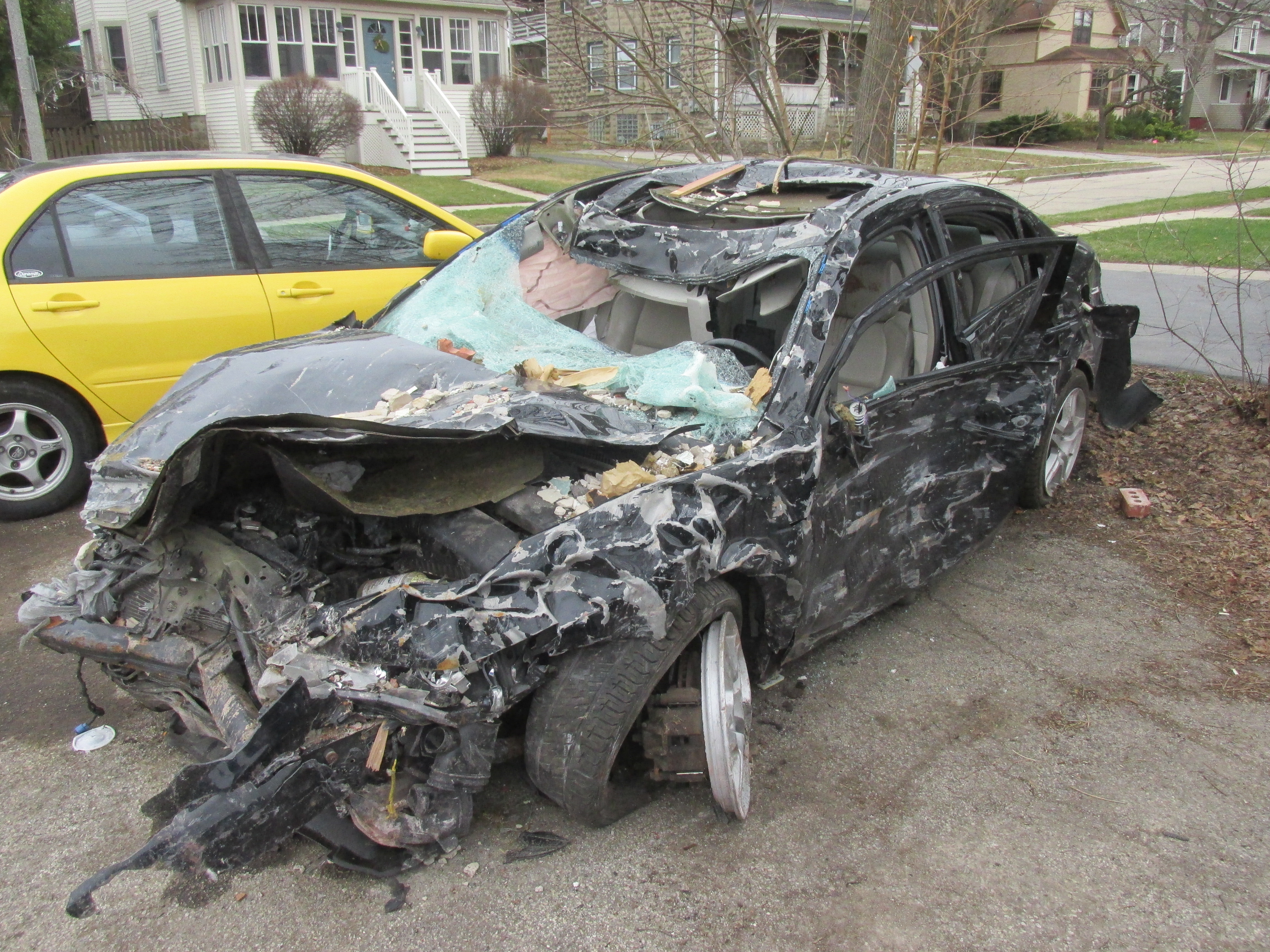
March 31, at 6:10pm central time a 2006 black Acura sped out of control on Butterfield Road next to our house. Witnesses in front of the car saw it weave across three lanes from their rear view mirror.

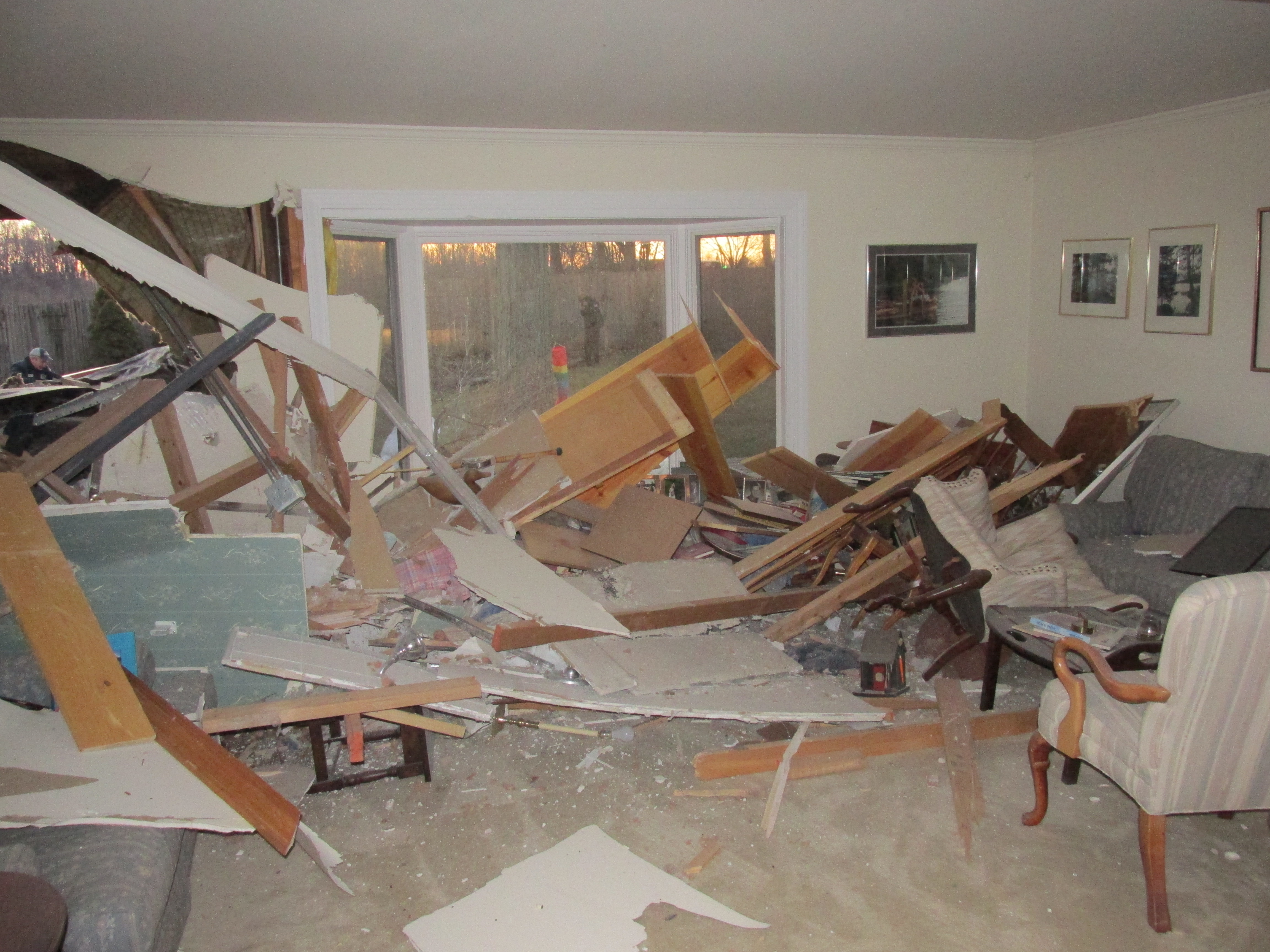
Abruptly the car turned hard to the right and side-slipped 75 feet across our lawn hitting the back corner of our bedroom. It did not come to a halt. Rather, the vehicle and occupants continued through the brick wall, spun 90 degrees in the bedroom, and drove through the bathroom, grinding to a stop half way through our living room.

IMG_2762

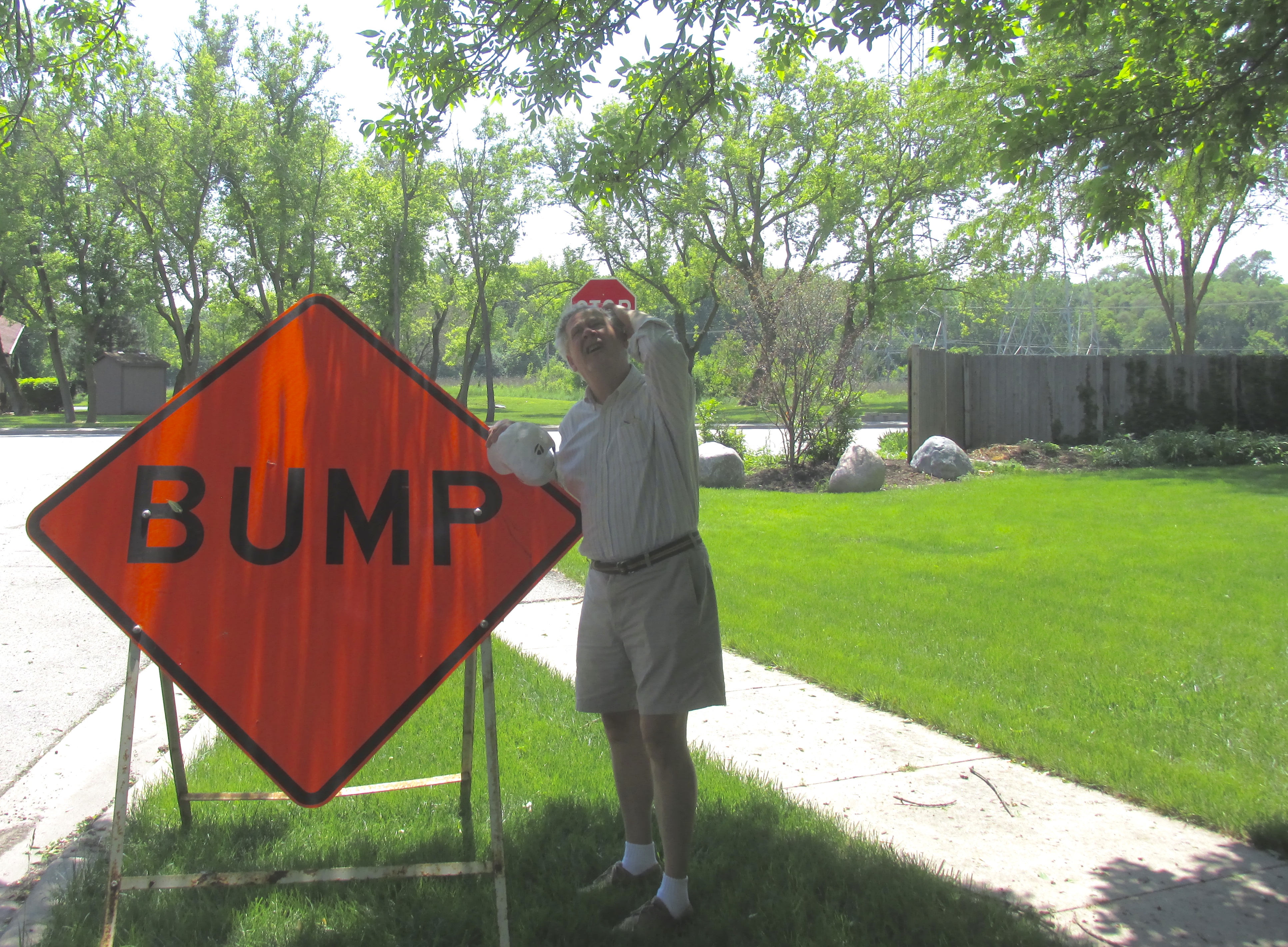
Perfect targeting avoided the fence and the stop sign.

Moments before that we had sat down in the living room to watch the new springtime sun set over the row of budding trees beyond our bay window. It would be the last peaceful scene we would see for weeks.

At the moment of impact, we were stunned by the deafening explosion. Our first thought was a falling plane, or perhaps a meteorite had crushed the house. Then the wall of the living room imploded before us, pushing couch and armoire ahead of it, and blasting a framed picture across the wall to land on our other couch. Glass, plaster, wood and dust everywhere.

Running down the hallway to the bedroom, we looked in, and there was a clear view of the highway. The entire wall was gone.

I could have written about this incident months ago, but decided to hold off until the dust had settled, and not just literally. While I don’t recommend this approach to understanding the role of first responders, I can say we learned a lot about what to do when disaster strikes you, or someone else.

IMG_2667

Passengers were extracted by Libertyville’s first responders. The child in the back seat only had a scratch over her eye.

So this is what you do when you are the object of the disaster.

1. Are you okay? Apparently we were, because we both jumped from our seats and looked around. No pain, no numbness, and no bleeding. The fact was, we weren’t touched, but certainly shocked.

2. Anybody else around? Once we saw the rear of the car in our bathroom, it was pretty clear we weren’t alone, but there was no way to get near the car with the tangle of rubble, conduits, joists and furniture blocking the path.

3. Call 911. Did that immediately. First item: name and address. Closest intersection. Phone number. Bring a couple of ambulances, a car crashed through the house. Stay on the line. Literally within two minutes the Libertyville police were knocking at our door, and the fire department appeared moments later. It turned out that an officer had just driven past our house on the highway when he heard an explosion. Looking in his rear view mirror a plume of white smoke blossomed over our yard, and he knew something was up.

IMG_3158

Road repairs this summer–check the new boulders as our first line of defense.

4. Shut everything down. It became obvious to us pretty quickly that professional first responders know the routine, and we were the lucky beneficiaries of their experience.

In the next ten minutes, the gas was turned off. The power was cut. It took a little longer to get to the water, but that was turned off too.

5. Follow orders. Despite our own assessment, we really were more shook up and addled than we knew. That’s when the police and fire fighters stepped up. They kept us away from the house, pending a careful review of its structure. It could cave in. Or blow up. As things turned out, the building was stable despite missing one corner, and the presence of a 3,600 pound car resting on the main floor.  Kudos to the architect who designed this house.

6. Call insurance. Quite amazing… the fire department chief asked for our carrier and he had their speed dial on his phone. We were hooked up with our “good neighbor” State Farm, in seconds. A few moments later, our fire chief also provided a list of company names to manage the board-up of our house. After picking one from a list of ten, a truck of workers arrived 30 minutes later with a load of plywood to board up the missing wall of our house.

IMG_2730

The business side of the Acura. Our CDs were found under the dashboard.

7. Take pictures. Thank goodness for digital photography. We took over 100 pictures on our own from every angle. These became invaluable later on for filing claims, identifying lost articles, piecing objects together.

The insurance claims adjusters request a digital picture of everything lost or damaged. My advice to you now is to photograph your entire house and contents, wall by wall, ceiling to floor.  It’s easy, and effective.

8. Think big. When it comes to placing a value on that couch you bought 25 years ago, it’s worth a trip to the furniture store first. Our homeowner’s policy provided for replacement value. But something that cost $1,000 in 1990 probably costs $3,000 now. Take your time filing your claims, and get the numbers right first.

IMG_2674

Home renos on the horizon. The wall imploded around us.

9. Rationalize. When fate strikes a blow, there is an urge to blame someone, especially when other people are involved. The fact is, the driver had blanked out due to an attack. Nobody’s fault to speak of.

Looked at another way, the car could have left the road ten yards earlier, or later, with no serious consequences to anyone.  Let it go.  If you have retribution beyond repair compensation on your mind, get your legal gown out, because you will be in court for a long time.

10. Keep notes. We kept a diary of daily developments during the recovery from the crash. Six months of hand written notes recording names of workers, dates, what happened. These can be useful for insurance purposes but just as important, it telegraphs to the hundreds of people who are in your home that you know them, and care about what they are doing.

IMG_3211

Masterful repairs by the contractors. We saved and re-used over 1,300 bricks.

11. Be private. Within 30 minutes of the big boom, we had a Channel 5 helicopter hovering over our home. Reporters were lined up across the street interviewing neighbors. That was because the police chief asked if we wanted the media on the property. No thanks, not tonight, actually.

Next day, the newspaper crew came by, and in the light of day, it was easier to tell the story, complete with pictures. The resulting publicity is electric, with news feeds delivering your story to people nationwide.

12. Be gracious. Human nature is that we all like to stand on our own feet. Accepting help is a weakness.

IMG_3206

A subtle return to the old look with new bricks.

But the fact is, help is the best medicine for the giver and the recipient alike.

Our neighbors demanded we use their spare bedroom, We took it. Others demanded we come to dinner. We did. Strangers came up to us in town and asked after our well being. Hugs and handshakes.

One very concerned and generous lady–whom we did not know–came by to give us a Panera gift card. The meal was excellent. Another thoughtful neighbor counseled us on insurance claims. We needed it.

IMG_2654

Libertyville’s first responders performed flawlessly, and quickly.

The lesson we learned over six months is that people want and need to help. Our job as the injured party is to take it, and treasure it, which we did.

The fact is, every time someone extended a hand, we were flushed with encouragement, and I think they felt better themselves too.

Now, everything is just about back to normal, eight months later.  We don’t recommend this experience to anyone, but for all of that, we are thankful for the way things turned out.

Never ignore the opportunity to help someone, or to make the effort to check them out.  There’s no downside to it! 

Standard
direct mail, Marketing

Your First Impression Won’t Be Your Last

IMG_4041

St. Joseph’s Indian School delivers the piece de resistance.

You know it’s Fall when the big fundraising kits stuff your mailbox. This year we have a surfeit of gifts from direct mail fundraisers.

IMG_3743

Father Flanagan’s Boystown stickers for identifying anything that moves.

Years ago the pioneers in the business presented us with address stickers.

These we have dutifully paid for and have now labeled every moveable item in our home: CDs, iPads, iPods, iPhones, chargers, golf clubs, cassettes, Walkmen, books, staplers, rulers, vinyl… luckily we don’t own a pet.

The ante was raised by the March Of Dimes who gratuitously presented us with a small monthly stipend of ten cents: a shiny new dime pasted to a donor form.

IMG_4037

Food For The Poor’s coins… how can you just pocket them?

That munificence has been outpaced by Food For The Poor who made change for the dime, and sends us a penny and a shiny new Jefferson nickel. That’s a 40% cutback, but insertion is more costly, so it’s a wash.

Not to be outdone, Disabled American Vets provides a 9×12 calendar, which we can place beside the 10×20 calendar from Boys Town.

Of course, wall calendars are bulky, so we are grateful to St. Joseph’s Indian School which gave us a 4×6 calendar booklet for the purse. I am waiting for the 3×5 that fits in my shirt pocket.

IMG_3751

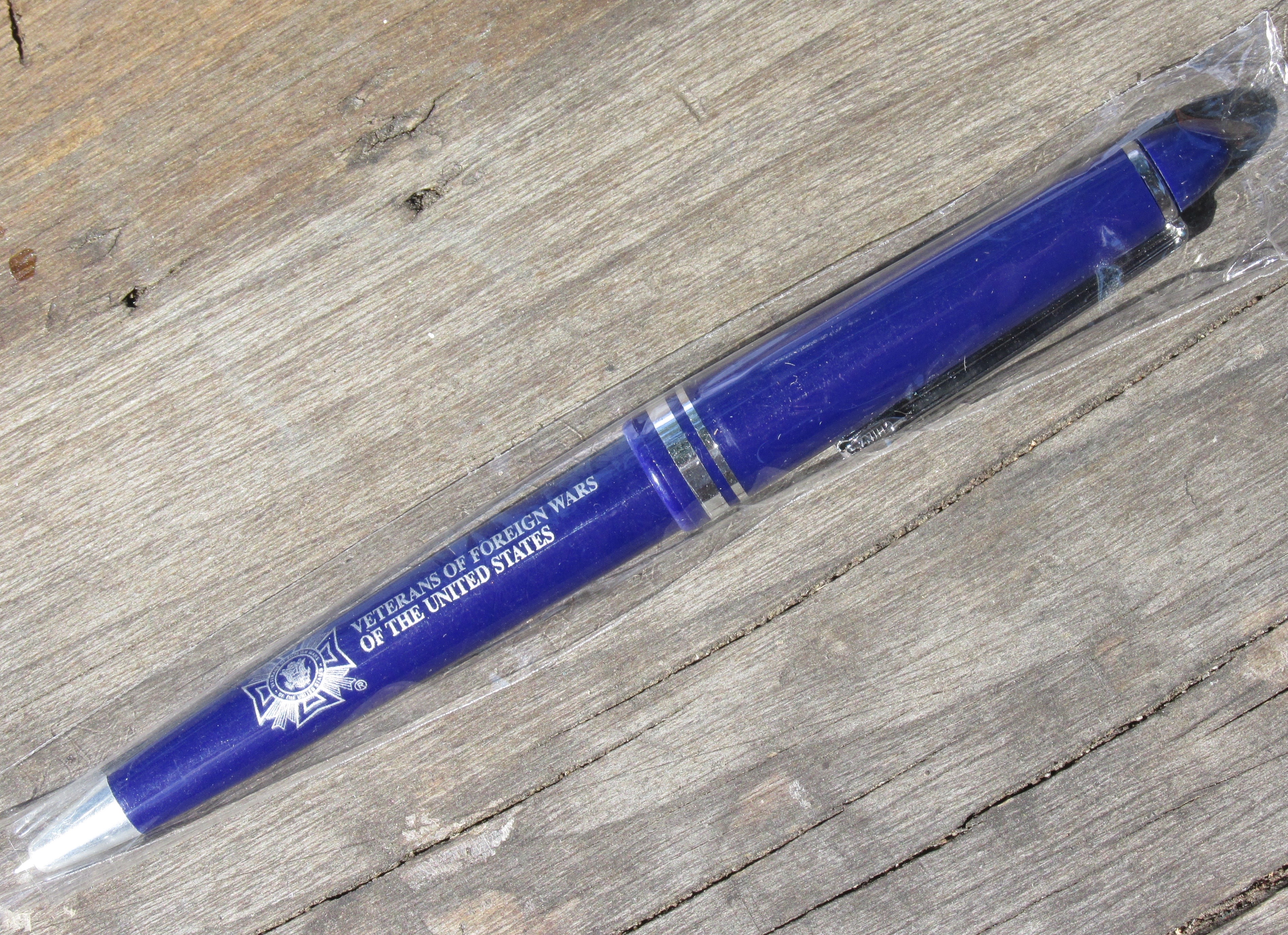
There’s no excuse for not writing….here’s a VFW pen.

The mailing industry is of a generous culture though. With all these other possessions, we have also received dozens of greeting cards: whole writing kits, with pens, to reach out and greet someone– anyone.

Oblate Missions has sent us so many Christmas cards it may be easier if we send them our Christmas mailing list instead.

IMG_4040

Catholic Relief Services’ prayer medallions.

You can’t blame an organization which does its part in reinforcing the goodwill that blossoms from receiving a greeting card in the mail.  I am all for it.

As a sidenote, the USPS post office in Libertyville has a well designed rack of greeting cards for sale.

This one cartoon I loved for its text:

Outer Cover: “Wow! You got a real, honest-to-goodness card! Not a text.  Not an email!”
Inside Caption: “Wow! It has an inside too! It just gets better and better!”

In one of their early bold moves, Disabled American Veterans pasted 45 cents in stamps onto their reply envelopes. Overflowing in confidence that once we saw the postage in place, we would feel obligated to fill the envelope.

IMG_4035

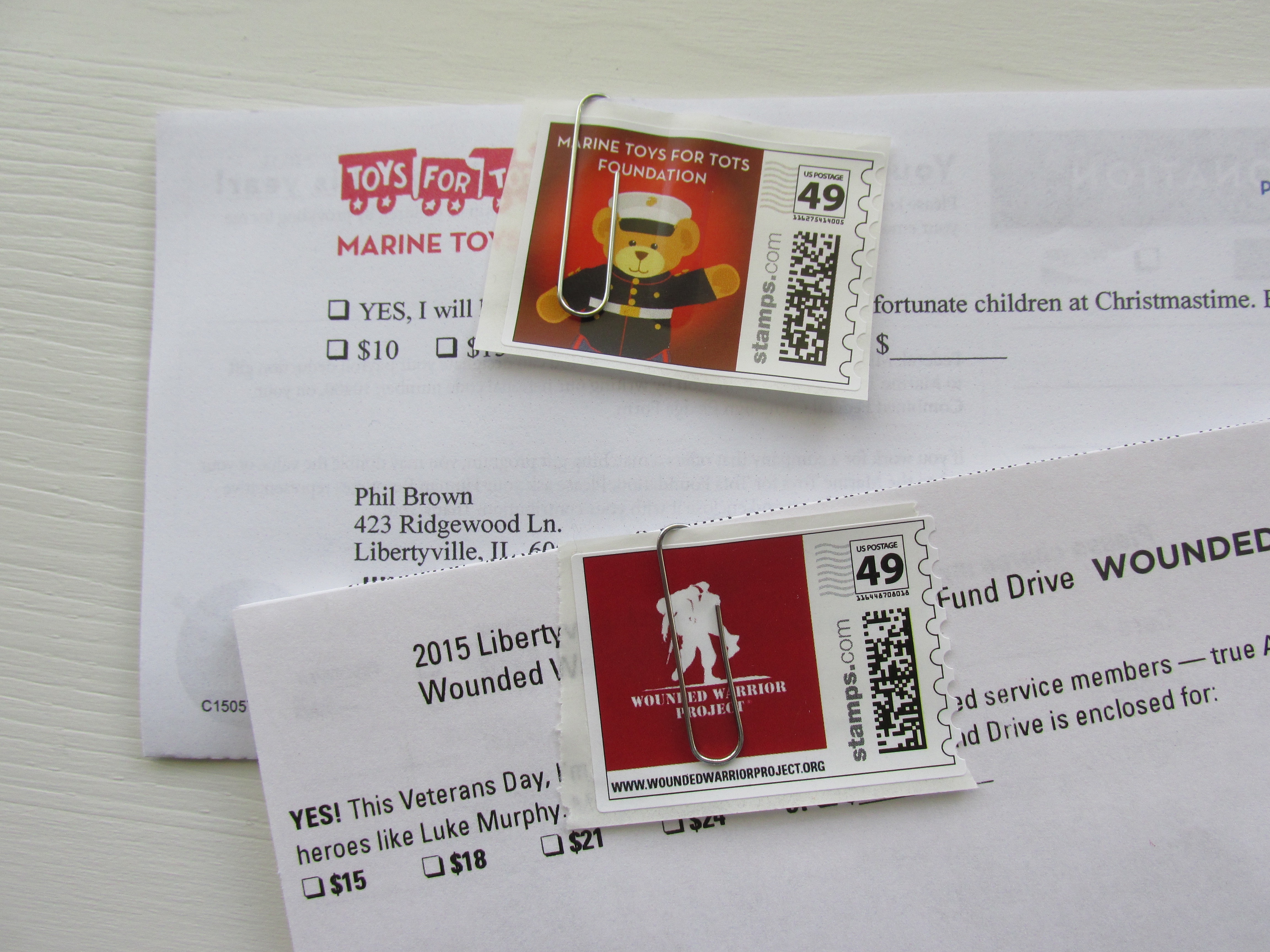
Marines Toys For Tots and Wounded Warriors provide your stamps.

Even gutsier, Wounded Warrior Project and Marine Toys For Tots are paper clipping custom 47-cent stamps to their letters.   This is very expensive, as Stamps.com provides these stamps at a hefty premium.

The strategy works though.  Can one really use the stamp for anything other than a gift without a stab of guilt?

IMG_4043

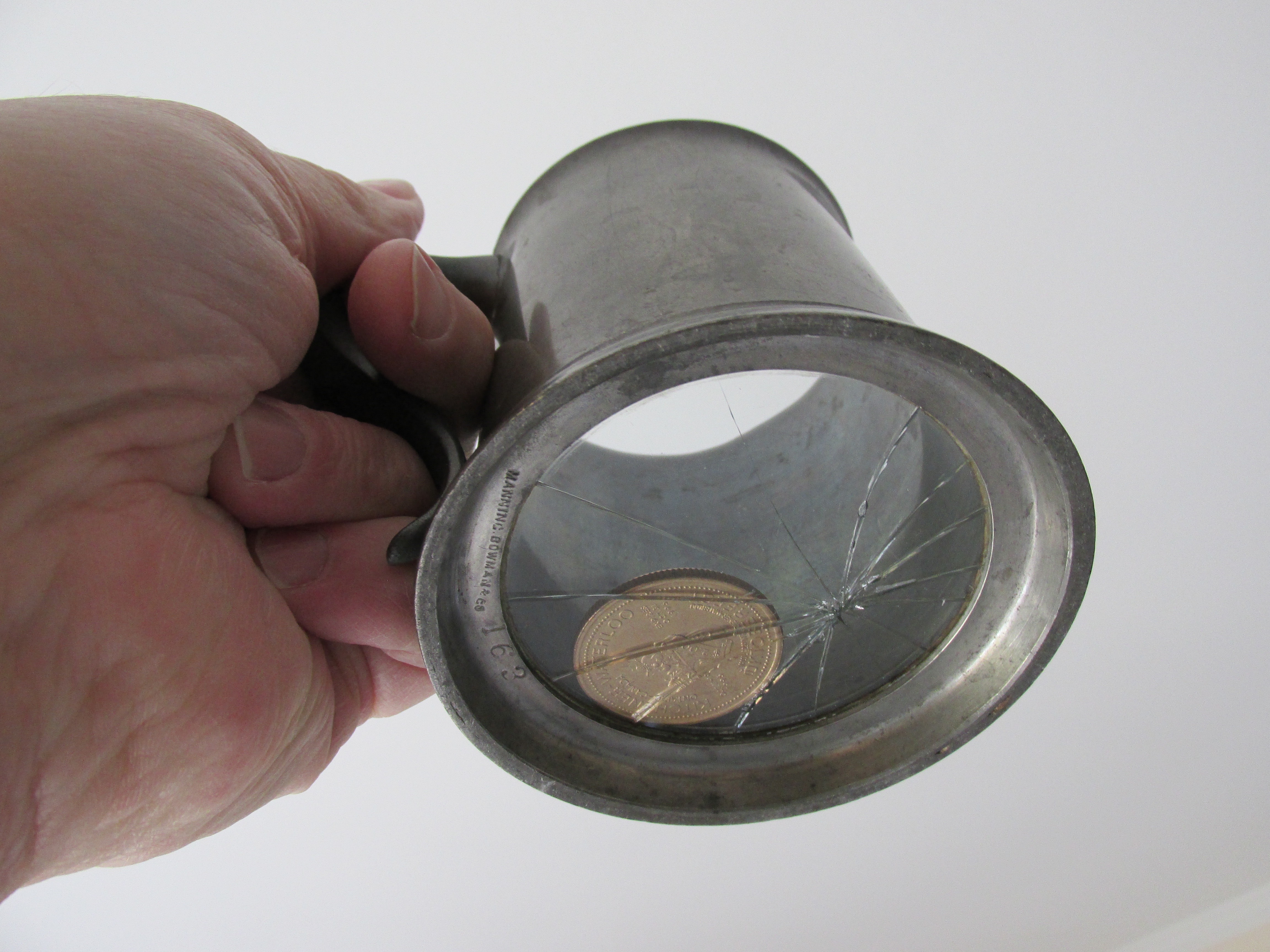
To avoid being pressed into service, British sailors eyed their brew from the bottom up.

The gifting brings to mind the old conscription practices of the 1700’s when British sailors were pressed into service when they drank from a tankard of ale, only to find the King’s shilling in the bottom.   By unwittingly enjoying the beverage, the sailor had been hired.

I think of that clever ploy as I pile up the loot, especially the coins and stamps.

The mailers know what they are doing. Despite all common sense, they have proven that the unsolicited gift still wrests outlandish response rates and donations. And once you are hooked, they will be back until they end up in your Will.

That’s right. Planned Giving is a part of every established fundraising strategy, and if you asked, many organizations can tell you which of their huge bequests started with a direct mail gift, years before.

IMG_4033

Fleece gloves… probably a postal nightmare, but still handy.

This season’s most impressive packages included one from Kids Wish Network, which sent along a pair of fleece gloves.  They arrived in a lumpy wrinkled paper envelope I am sure that the post office would rate as “baggage class”.

But how do you throw those out?   What tight fisted non-donor could wear them, especially when the writer suggests: “When you use the deluxe fleece gloves I sent you, I hope you you’ll remember Wish Kids like Tabitha…” .

The penultimate delivery however, the cream of the crop, the ne plus ultra, is the bulging envelope from St. Joseph’s Indian School.  No doubt USPS rated this one as “duffel bag class”.  Inside we found the usual and generous complement of address labels, gift stickers, 4×5 note pad, 5×7 note pad, pocket calendar, wall calendar, personalized calendar card, and 3 shrink wrapped greeting cards.

IMG_4036

St. Joe’s mystical Dream Catcher, not to be ignored.

In addition however there was a most unique and unusual item, a genuine facsimile of a Lakota Indian Dream Catcher.

The Dream Catcher is a little hand-made assembly of string net, naugahide, beads and feathers.  Mounted on die-cut foam core, it is shrink wrapped with colorful operating instructions ending with: “to be hung on the tipi or lodge and on a baby’s cradle board”.

I have to admit, I had to dig through pounds of newspapers and old phone bills to retrieve this package from our recycling bin.  There is something especially foreboding about disposing of the St. Joseph’s piece so casually.

IMG_4039

The Marines Toys For Tots medallion, struck with the USMC shield and Semper Fidelis on the other side.

Yes, in the past, I have taken all the coins, scribbled on  lots of notepads, hung countless calendars, and stuck hundreds of stickers without a moment’s guilt, or nearly so, but the Dream Catcher had me netted and nettled.  This one item–which I would never purchase on a dare–clinched the deal.  Just how unlucky could my life turn out if I didn’t give due respect?

So it’s hanging over my DAV Certificate of Merit.


Thanks for reading!   I hope you find your charity of choice this season.  These organizations are especially effective, and they mind their pennies too.


Standard
Marketing, Media

USPS: Taking A Retail Moment

USPS4

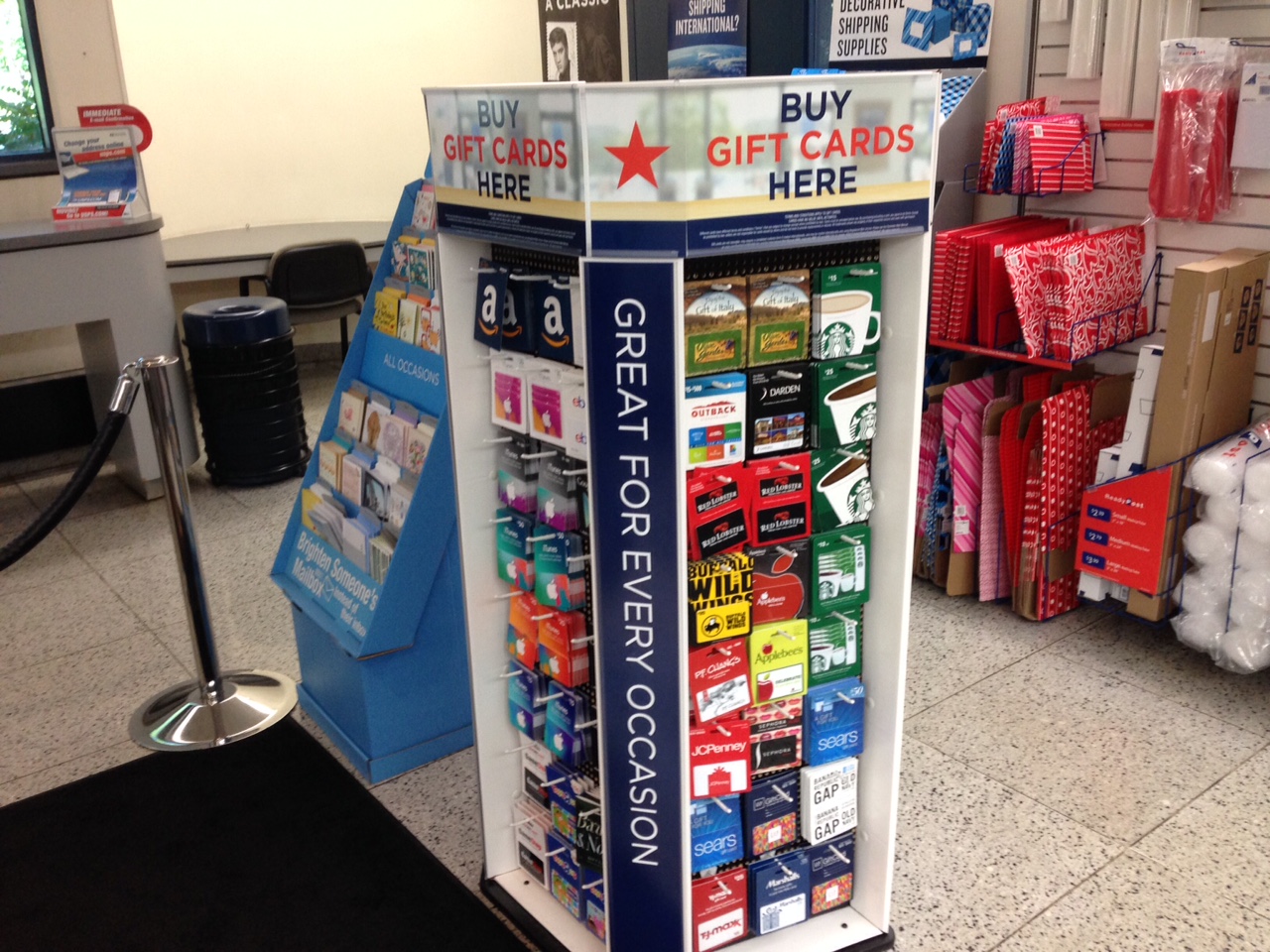
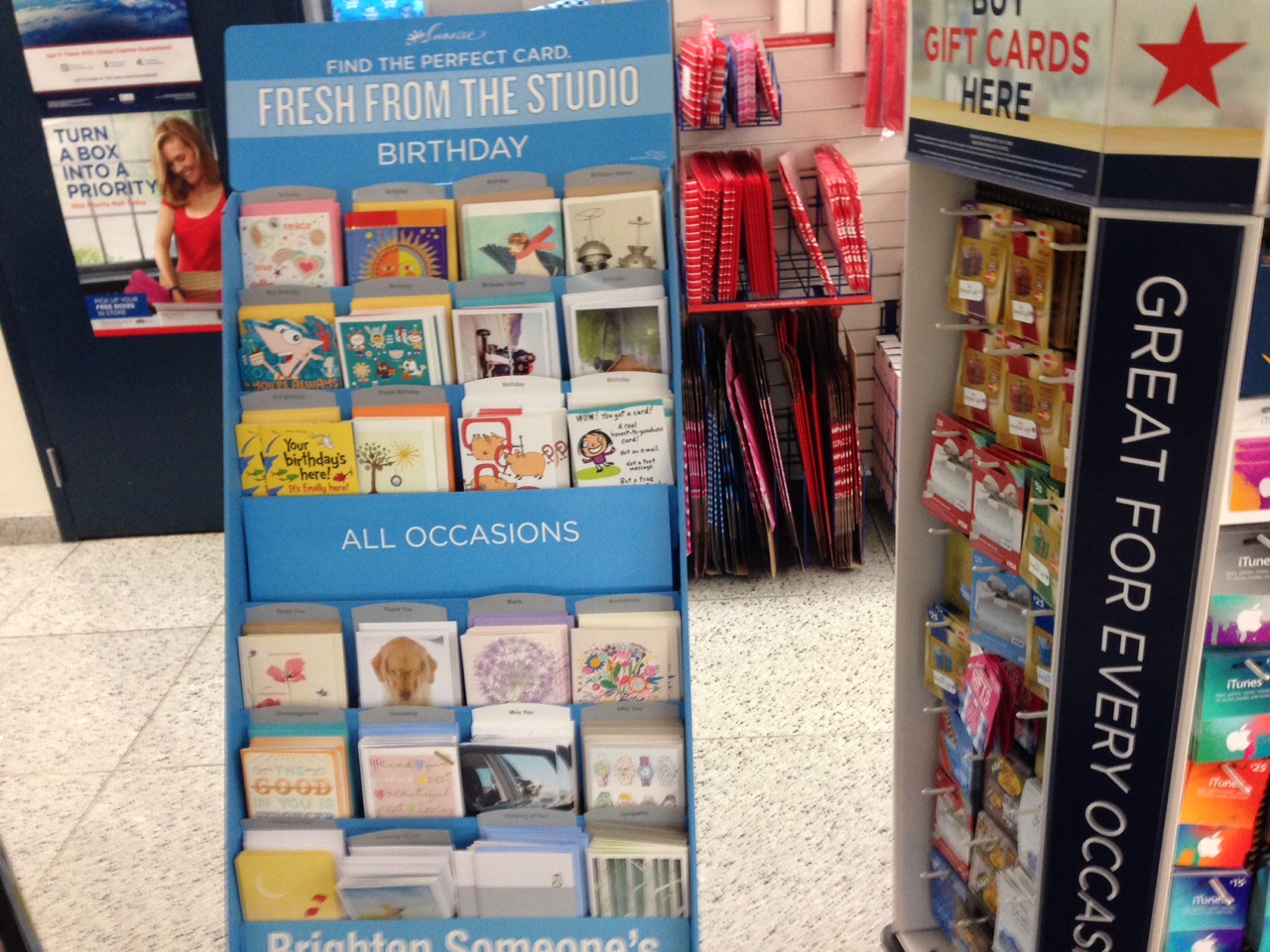
The USPS card display is there to capture the impulse to do something nice.

Kudos to the merchant-minded individual who suggested that the Post Office should sell greeting cards in their lobby. After all, if you want to receive letters, you need to send them too.

Part invites! Looking for a venue.

Party invites! Looking for a venue.

It turns out that the USPS does an audit every year to measure how long we wait in line. Two minutes is the national average. During that time we have a variety of scenery to peruse.

Beyond the oddities of humanity that lean over the counter to ship parcels bound up like mummified hat boxes, or to mail extravagantly addressed purple letters, or the restive small children that roll across the floor, we can look at the card displays.

The USPS selection is not encyclopedic, but it is enough to trigger the impulse.

The USPS selection is not encyclopedic, but it is enough to trigger the impulse.

The selection isn’t anywhere close to that found at a card store, and that’s good. We only have two minutes to make a choice. But the cards available still represent a middle of the road attempt at gentle humor, quiet sympathy, and friendly reminders.

Next to the greeting cards is a rack of retail gift cards, perfect for the last minute desperate search for an overdue birthday gift.

Stationery sets as starter kits. After all, if you want to get letters, you have to write them.

Stationery sets as starter kits. After all, if you want to get letters, you have to write them.

Across the lobby is another display of stationery sets, and party invitations.
When we are there to pick up our mail, or buy stamps, we have a brief opportunity to snatch a couple of cards, and whip them off to someone who is on our mind at that precise moment.

The USPS is demonstrating a simple case of vertical integration here. They are providing the total service: stationery, gifts, attractive postage stamps and delivery.

What better way to merchandise the universal service that gives you access to over 150,000,000 addresses across the continent?

The next time you visit your post office, take a look around. This is the perfect place to yield to the impulse to greet and treat someone, two blocks over, or on the other side of the country.

It only takes a couple minutes.

Standard
direct mail, Economics

All That Glitters

IMG_3733

The solid gold gift pack. Gotta open it.

Our mailbox opened this morning to present a gorgeous golden Flat from Veterans of Foreign Wars.

It is highly improbable that the recipient of this gilded kit would toss it in the bin without at least checking to see if there was a $10 dollar bill waiting inside, too.

Just might have been too, considering the total payload we discovered:
-12 Christmas cards and envelopes

IMG_3739

12 Christmas cards and envelopes, a big offering.

-1 gift bag

-1 pen

-1 calendar card

-1 set of gift & address labels

Of course, there was also a letter/donor form and BRE.

But two unusual items cropped up.

IMG_3749

The gift bag, big enough for a ham sandwich.

First, the headline alerted us: WOUNDED VETERANS ARE IN CRISIS.

If you are at all disposed to the plight of these warriors, as countless Americans are, you are going to open this labeled treasure chest to see what the crisis is.   Foreclosure on the home?   Withdrawal of benefits?   Family disintegration?   What is the crisis?

IMG_3735

Crisis: a powerful set up.

Inside, the letter launches in to a completely different train of thought: “When we began sending out these free special edition Christmas cards and other gifts, people said we were crazy.”  Only three paragraphs later do they mention the main focus of their cause: the wounded Veteran.

Version 2

The non sequitur: handwringing debate about cards.

While this may seem nitpicking, the golden rule of good headlining is to pay it off.   VFW brings the reader to the edge of their seat, and then chats away on the frivolity of costly free gifts.  Crisis takes a back seat.

The second wrinkle is more about economics, and a good lesson is taught here.  This 6.8-ounce kit probably cost $2-$4 dollars each, all in.   Conventional marketers would roll up their eyes, cross themselves and close the garage door before spending that kind of money, especially when the response might not break 5%.

IMG_3743

Labels and stickers, a fitting complement.

But what if it does?   The real question is, what’s the average gift, and how long before it pays itself off?

So assume for a moment this scenario:

Mailed 10,000 at a cost of $40,000.  700 donors, at a cost of $57.14 each. Response, 7%.  $17,500 in gifts.  Average gift, $25.

IMG_3751

Cello-wrapped pen.. not since Time magazine!

What does VFW have? 700 new donors at a net cost of $32.14 each.   What are the odds that over the next five years, the group will turn in another $100,000 through renewal mailings, bequests and planned giving?   Pretty good, actually.

Version 2

This compliant disclosure gives pause to the reader.

It’s all speculation, of course.   For some background on VFW’s fundraising success, check their website for its latest financials.   Total gifts, $66.8 million, fundraising expenses, $25.6 million.  Roughly 2.6/1.  By comparison, its major competitors turn in gift/fundraising ratios of 3:1 up to 7:1.

The challenge is knowing in advance what the numbers can, and need to be.  Here is a formula worth knowing–witnessed by a fly on the wall of VFW, where for a fictional moment, you are now working.

Budgeted Cost per Piece

Your boss went sideways over the cost of the Gold Lame’ package.  Piqued, she said the gross cost per response can’t exceed $32.14.  You blurt out,

“But that’s the net cost on our Vanilla kit.   Gimme a break.”

“Give you a break? I have to explain this gold cadillac to the board.   If it doesn’t beat Vanilla, I will be back in community service, and you will be on the phones while you are licking envelopes.   Got it?”

IMG_3745

Gifts up to $500. If you don’t ask…

So you have a ceiling: the cost per response must not exceed $32.14.   Historically, you have generated a 3% response on the Vanilla conventional mailing format.   The all-in cost of the Gold Lame’ must not exceed $32.14 times 3% = $0.964 each.

Impossible.  The vendor stares through you with crocodile eyes.  Three bucks without postage, he grins.

But you feel strongly about Gold Lame’.  Your all-in piece cost totals $3.75.  Divided by the boss’s ultimatum, $32.14, you need 11.67% response.   Phew.

At this point, you wake from this disturbing nightmare.   Will Gold Lame’ quadruple Vanilla response?   We may not know, but at least you know the formula to weigh the risk.

Remember: ($ piece cost) / ($ response cost)  =  % response

Now, back to our piece.

  1.  Fix the headline to set up the letter, or change the letter to pay off the headline.
  2. A bold choice of cards: an unabashedly Christmas theme.  Just make sure your list is of that persuasion.
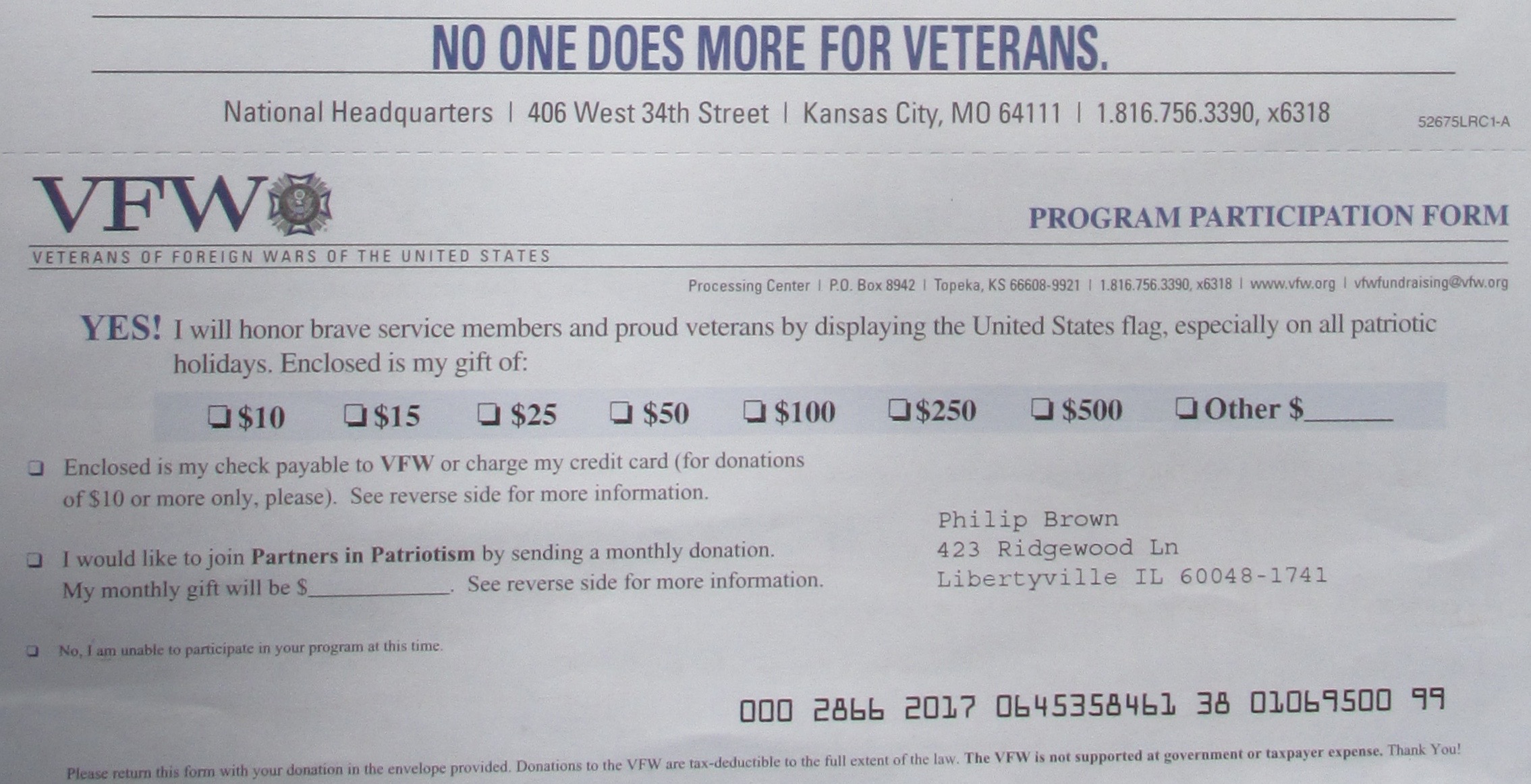
  3. The donor form offers 8 gift choices, from $10 – $500.   Good!
  4. Lastly, the prepaid BRE is worth it.   Whole campaigns can falter for want of a postage stamp.
  5. Mail it.   Whatever the response, whatever the gift, if you don’t test, you will never know.

Lastly, find a good quote to share with your boss, something like Teddy Roosevelt’s, “better to have failed while daring greatly than to live with those cold and timid souls who have neither known victory nor defeat.”

A little wordy, but it may work.


Standard
Cars, Culture, Thank You

Farewell To A True And Faithful Friend

Blue at Weslemkoon

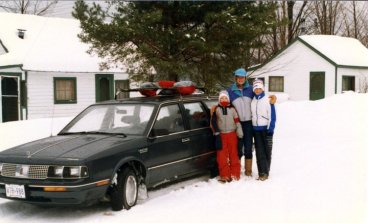
Our first Olds Cutlass Cruiser.

It’s strange how we can instill heart and soul into material objects. Because of that, this is a wistful moment, bidding farewell to a member of our family for over 25 years.

Back in 1990 when we bought our home, the real estate agent said, “Hey, you have a few dollars left over from your loan, why don’t you buy a car?” So we acquired a brand new Oldsmobile Cutlass Cruiser, a mid-sized station wagon.

330,000 miles later, here we are, standing beside Blue, who is resting quietly in the driveway.

You may think it is a stretch to give a soul to a machine, but it is not uncommon. Sea captains adopt their boats. Hearst had his Rosebud, and Davey Crocket, his trusty rifle Old Betsy.
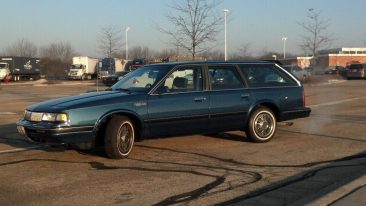
Blue after a wash

Blue, fresh out of the shower.

Olds Plywood

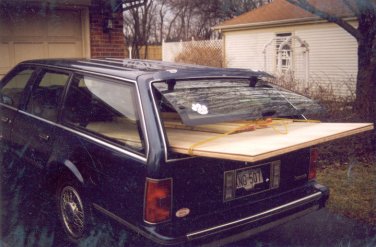
A rare talent: a 4×8 sheet of plywood through the window.

Actually, Blue is resting on the driveway, not in it. Family only goes so far.
The reason why this departure is so touching is that we remember when we first got Blue. We traded in an earlier Olds wagon, the exact same model.

It was the easiest order a car salesman ever took:
“Yes sir, can I help you some how?”
“Yep, see that Olds wagon in the lot outside? I want another, just like it.”
“Certainly. Just like it?”
“Well, yeah, but with air conditioning, fuel injection, and FM radio.”
“Power windows and door locks?”
“Nope. If we drive into a lake I want to be able to get out.”
“Same color? Blue?”
“Yup.”
“Done.”

The paperwork took much longer, but by the next day we had Blue.

Years later there’s no need to recount all the outings and family trips in Blue, but the car distinguished itself by its steadfast performance.   According to industry stats, Blue must have been made on a Wednesday, because he never suffered a quality issue.  Beyond the normal R&M costs, Blue lived a clean and pure life.

It was not until 14 years later, on a mild December evening in 2004, that we truly realized what a prize Blue was.  We had parked outside a restaurant for dinner, and walking in, spied a similar Cutlass Cruiser wagon, same vintage.

I was moved to scribble a note and leave it on the windshield:

“Hi! Great car!  We have one just like yours.  Look behind you. 210,000 miles, and runs like a clock!”
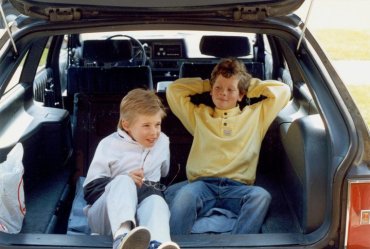
Olds Back Seat

Rear view treat: the seat of choice.

When we came out of the restaurant after dinner, the wagon was gone, but we found the note with a reply, under our wiper:

“This car just won’t die.   190,000 & runs great. Hope you make 300K.”

And here sits Blue today, well past the mark.

With a few makeovers mind you.   We have repainted Blue four times.   Maaco gives us respect, though honestly, the owner there may have succumbed to paint fumes.   On two different occasions we returned after a week to pick up Blue as scheduled, and he couldn’t remember us or the car.
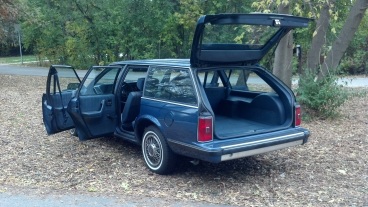
Blue Possum

Varmint duty: airing out after trapping a possum.

But the new paint jobs breathe new life, just like a new suit, new carpet or a new kitchen.   People would stop to stare at Blue.

“What year is that?  How many miles you got on her?”

We never viewed Blue as feminine, but protocols demand the female gender for cars it seems, just like Pat Brady’s Nellie Belle.

Another common comment from admirers:

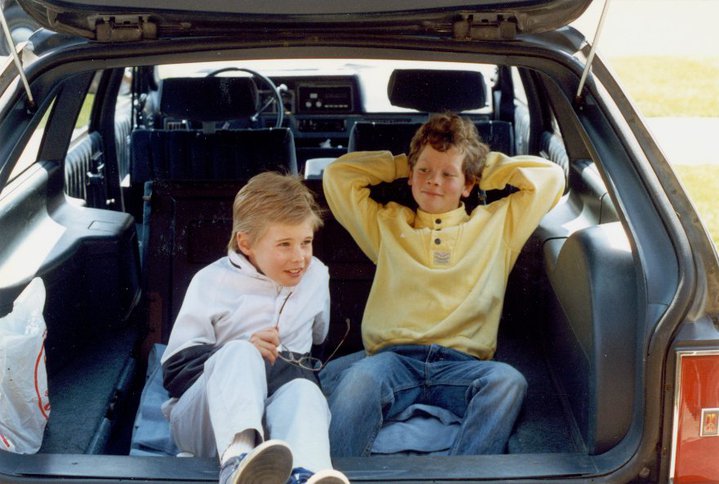
“We used to have one just like this.  Rode in the back seat.  Does it face backwards?”

You bet it does, kids loved it, but the D.O.T. put an end to that hazard, understandably.  Still, it was fun.

Olds Jerry's

The pitt crew: Don and the team.

But what Blue could do with its backseat and rear window was pack in a 4’x 8′ slab of plywood, thanks to General Motors’ patent on the hatchback window.   You can find the same feature on Cadillac Escalades today.

Unfortunately for Blue, General Motors lost its way, and designed a long series of geriatric, goofy looking Oldsmobiles through the 90s and into the new century.  Sales withered, and April 29, 2004, the last rolled off the line.

Mean time, Blue had become my main ride, and delivered me daily to work and home, racking up the miles.   One day, in 2006, around 229,318 miles, I filled in the new owner questionnaire.   I was 16 years late, but General Motors responded February 9, 2007.   Adam Dickinson, our designated Customer Relationship Specialist congratulated us.   After a stream of compliments, he suggested:
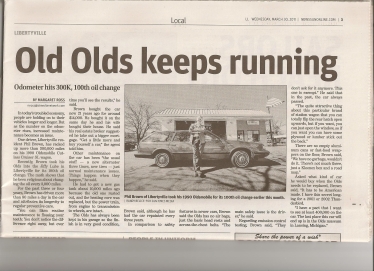
Olds March 2011 copy

15 minutes of fame, and a year’s free oil changes.

“We would be remiss, however, not to suggest that you look closely at our new Cutlass at your local dealership….”  That was three years after the demise of the Olds make.

Denial.

We wonder today if Adam is in a small cube somewhere, still writing optimistic notes to holdouts like me.

In summer 2009, Blue was worried.   The CARS program lurked.   Car Allowance Rebate System, popularly known as Cash For Clunkers, was the federal government effort to compensate GM and others for turning out a decade of lemons.   To the automobile, this was like plague, emerald ash borer and mad cow disease, all rolled into one.
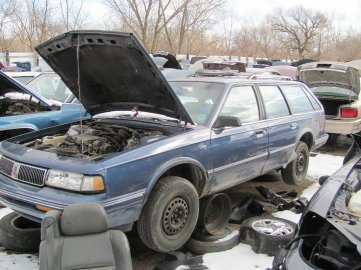
Blue's Worst Fear

Blue’s worst fear: to be stripped at Pick & Pull.

All told, the feds grabbed 671,000 vehicles off the street.  Blue wasn’t one of them.

As a celebration, Blue had his own Facebook page.   It was revealing, listing his favorite movies, shows and songs: Bullitt, Dukes of Hazard, Knight Rider and Deadman’s Curve.

January 2011, the miles continued to climb as Blue enjoyed continuous 100-mile round trip sprints to the office every day.   300,000 loomed ahead on the odometer.   We contacted Jiffylube, which had been Blue’s choice since May of 1991, mile 5991, 20 years earlier.

They sensed a PR opportunity when easy math showed a century of oil changes: 100 visits.

Blue in Hebron

Under the State Champs water tower, Hebron, IL.

Jiffylube’s ad agency jumped on Blue and he had a day’s coverage in suburban Chicagoland’s news, taking interviews from reporters and an FM station in Dubuque.  Best of all, a gift of free oil changes for a year.

Celebrity is emboldening, if also a heavy responsibility.  We bought Blue a new set of tires, with the slim whitewalls to complement his spokes.

The daily commutes were Blue’s opportunity to let the ponies go.  There is a 4-lane strip of highway north of Chicago where we pushed the speedometer over two digits a number of times.  Only for a mile, but long enough to let him smell and feel the brisk air screaming through the rad grill.
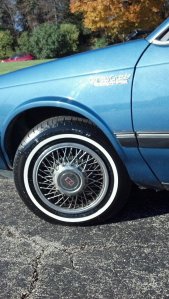
Blues new wheels

New tires. Sweet!

Sadly, things change.   With our retirement, the commutes stopped, and not too long after, Blue saw his first signs of slowing down.   Kind of an automotive hardening of the arteries.   Don, the pit crew chief, who has managed Blue like an uncle cautioned us:

Blue at Mars Bar

A ride in the country, Lake Como, WI.

“Yunno, he’s stiff.   You’re not running him hard.   So he gets tired.  He’s gonna stall on ya every once in a while.   Nothing serious, but he really needs a good long drive.   And some Gum-Out.   Use high octane every once and again, just to clear the injectors.”

Then last week, a new wobble.   Driving out for a visit to the hardware, Blue couldn’t make up his mind on which gear he was in.  3rd? 2nd? Drive?  We got him home by slipping into Neutral at every brake and corner, just to keep the revs up.
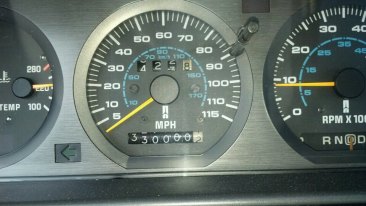
Blue at 330,000

Blue notches 330,000.

He wouldn’t talk about it.   When we pulled the hood release to check the engine, the wire snapped, locking us out of a closer look inside.   Blue was suffering his pain quietly.

Back to Don again.

“It’s the solenoid in the transmission.   We’ve tried everything, but it’s dead.  He’ll still shift, but you might have to change gears manually.   There’s nothing else we can do.”

At mile 332,879, the automatic Hydra-Matic transmission that was perfected by Oldsmobile in 1939 was out of the race.

Our worst fear is that Blue could end up in the jaws of a car crusher at some junk yard.  It is  unpalatable.   Better to hide under a tarp in a barn.
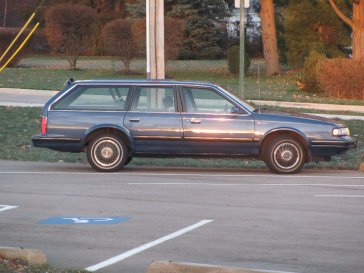
Blue at Sunset

Sunset, Butler Lake in Libertyville, IL.

So we are hanging onto Blue, and will nudge him past 333,000, maybe with a trip or two to the golf course, or to a grassy park overlooking the tollway, where he can hear and smell the noise and speed of the thousands of cars that whine and hum along the lanes below, unaware of his watchful gaze.

It’ll be a sunny, breezy day.


Standard
direct mail, Marketing, Sports

Mail Order Magic: The USGA Doubles Down

golf_grip_1

Marketing: a good grip that doesn’t let go.

The challenge of any direct marketer is to hold the enchantment of the buyer from the moment of first interest until the next order.  Let me tell you how the United States Golfing Association had me firmly in their grip.

Mind you, I have always been attracted to mail order.

robinhat

First mail order purchase.

As a kid, my first experience with mail order was a Robin Hood hat off the back of a Quaker Oats box. I wrote them a letter with a dull purple crayon. Two box tops, a quarter, and four weeks later, I was decked out in a lincoln green cap complete with turkey feather.

Moments later I dissolved onto a path through the tree line behind our house, earnestly in search of rich people to steal from.

My brother and I followed up with another offer, this time, a potato gun from Nabisco Shredded Wheat. More box tops, more coins, more waiting, and our ordnance arrived: two shiny, plastic, blue and red hand guns.

Phil Cowboy825

The properly outfitted small arms mail order buyer.

Operating instructions were basic. Stick the front of the barrel into a potato, and pull away a small plug about the size of a pencil eraser. Choose a target. Pull the trigger. The little wad of potato would fly across the living room and roll to a stop under the couch.

After a couple of potato bits wound up in the electric space heater, the jig was up.

But the magic remains.   It’s important for cataloguers, mailers and weekend supplement advertisers that their buyer squeezes every bit of enjoyment possible from the order cycle.

The Hat: Mailorder Delivers!

The Hat: Mailorder Delivers!

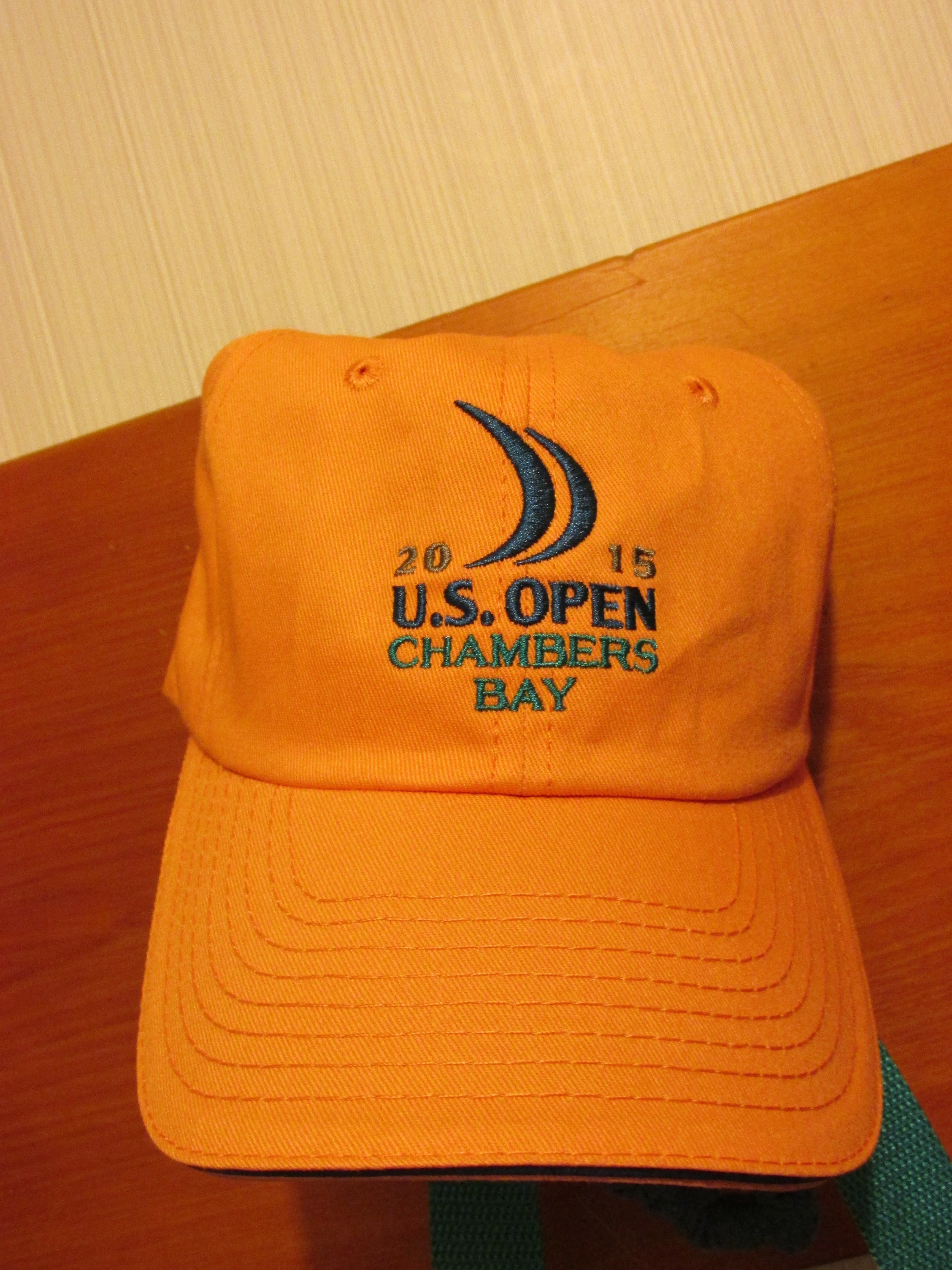
There is an inexpressible excitement in opening a long awaited package sent by complete strangers, far off and away.   I had sent in my USGA membership renewal, and according to the letter I would receive a hat: an orange 2015 USGA Chambers Bay Open cap.  I already had one, but if it blew away, I’d have back up.

I am certain that the USGA Board of Directors convened a special meeting, extensively reviewing my  application before granting my membership extension for another year. A no brainer for them, this was an important symbolic order of business, for which they would levy a $15.00 fee against my credit card.

From there, I visualized urgent instructions hammered out on the teletype, dispatched to the membership fulfillment department, ordering them to rush a member package to our home, sparing no cost.

IMG_3522

The long awaited, hoped for package arrives.

Like a glistening white, dimpled Titleist, teetering on the edge of the cup, I waited by the mailbox.    This week, the USGA kit arrived.

Inside the lumpy plastic package I found my new member card, and a bag tag, branded with my name, and a framable picture of Chambers Bay, site of the 2015 Open.   And more…there inside the package was a new hat–but it was gray.

IMG_3510

Surprise! A new hat!

Was there a mistake?

No!   This hat is for the 2016 Open in Oakmont.   I have no idea where that is, but according to the hat, there are squirrels, and acorns.  Perhaps there are groundhogs too.

But the USGA prize committee could not contain themselves by merely presenting me with a new lid.   They also sent along a USGA 40th Anniversary metal ball marker.

IMG_3497

Double surprise! A ball marker!

This little disk is used to mark the fictional place of my golf ball as it rests closest to the pin.   I have never had the pleasure of seeing that, but I hope to one day.

IMG_3509

But wait, there’s more. It’s magnetized.

Even better, however, the prize committee designated that the ball marker have a special place of its own: it attaches to a magnet on the visor of my new cap.   Wow!   Like many bad hooks off the neighboring tee box, I truly did not see this coming.

Of course, the cap is firmly held in place even on the windiest fairways as the magnet rests over the metal plate in my skull.

Just kidding.

Years ago we were introduced to the concept of lagniappe.  This is the art of giving a little extra.   It wins a customer for life.  Good marketers always work lagniappe, and the USGA has cultivated the technique.

IMG_3520

The course beckons; the marker is poised.

With luck, they may someday improve my game.

Thanks for reading!  Please share.  Oakmont is outside of Pittsburgh, PA.

Standard