direct mail, Government, Marketing, Media, Thank You, USPS

Their Appointed Rounds

The United States Postal Service closed out their fiscal year September 30.  Never mind that the rest of the world goes by the annual calendar; the USPS wanted to beat the Christmas rush.

All in, the giant continues to perform well, within the confines of its quasi-government walls.  I wish the rest of the Federal government departments spent as much time looking after their own performance and expenses as does the USPS.

But from the latest Revenues Pieces And Weights report, here are a few glimmers of surprise and excitement.

  1.  It is a $69.6 billion dollar enterprise.  In the Fortune 500 list, it hovers around #37, bigger than Target, and smaller than Procter & Gamble, both good neighbors.  Like both of these companies, the USPS is an indicator of the USA’s pulse rate, though we will admit that it has slipped a bit.
  2. In 2017, the USPS revenues fell $1.8 billion.  We know why.  The Web, social media, email have all disenfranchised much of the USPS core business: first class mail and standard mail.
  3. First class mail continues to fall, $1.9 billion.  Compared to last year, it delivered 2.5 billion fewer pieces of mail, a drop of 4.1%.  Why? Because we receive our invoices, checks and statements electronically.  We pay electronically too.
  4. Standard Mail, now called Marketing Mail, dropped 2.6 billion pieces, about 3.2%.  Why?  Last year was a mail-infused election year.  It was distinguished by huge volumes of mail, from you know who, despite his predilection for Twitter.
  5. Overall, in its market dominant categories, that is, where it holds monopoly rights, revenues fell just over $4.0 billion.
  6. In the open competitive markets, ie., parcels and packages, revenues were UP over $2.2 billion, a 12.5% increase.  Wow! Who knew?

The Web Taketh, And It Giveth

Here’s what I find impressive about the USPS.  Despite the constant nagging of the digital futurists who want to write the Obit for the post office, it continues to hold its own.  In an environment where Internet media are running rampant, the USPS has found a broad new niche: parcel delivery, a $20 billion business.  If anyone should be worried, it will be the brick and mortar retail stores. Ask Sears.  Ask Toys R Us.  Ask Amazon.

American consumers have taken to the Web in all respects, but at day’s end, they need physical product delivery, and the USPS has risen to serving that need.  After all, they were coming by our house anyway.  Their two main competitors are UPS and Fedex, the latter using the postal carrier to make the “last mile” delivery.

Neither Rain, Nor Snow, Nor Gloom of Night…

Postal carriers are the only American entity which visit 157,000,000 addresses every day.  They delivered, all in, 149 billion items in 2017.  They lifted 24 billion pounds, or 12 million tons, of physical product: mail, checks, magazines, parcels and yes, live bees and plants. The USPS has over 500,000 career employees and another 140,000 part-timers.  While this may seem like a wildly aggressive employer, I put it to you that the postal employee actually delivers, a claim many can’t make for other government institutions.

So hats off to the USPS.  It continues to fight the currents, and with astonishingly little help from its political friends, it far surpasses its governmental cousins.

Thanks for reading! If you would like to take a look at the USPS 10-K for 2017, click here!

Standard
Culture, Government, Politics, Thank You

Small Town Choices

img_4363

The bridge in the park at Butler Lake. Early freeze.

You know you live in a small town when people drop by without calling first.

Tuesday morning a smiling lady appeared at our door presenting a mardi gras King Cake. She explained it was thanks for speaking up at our town hall meeting.

A couple days before that we found a handwritten note in our mailbox from a gentleman a couple blocks away wishing for good luck.

This morning another note came the same way, saying thanks.

fullsizeoutput_3865

148 “lock and leave” homes for those just passing through.

The cause of these overt gestures is the disturbing proposal to plop 148 homes on 15 acres of a 40-acre parcel of recently cleared land at the edge of our pretty little town.

We call it a Village, which is kind of habit in these parts, but it’s a real town, not a little collection of thatched roof cottages with small people running around in leggings and buckled shoes.  Over 20,000 people live here.

Anyway, because of the collective rejection of the idea, we formed a group of residents in the Village to make our case for stopping the development.

I won’t bore you with the politics.

What I do want you to appreciate though is the essential goodwill of the people who live here, and who love our little town.

img_0986

Lunch in the park, on a sunny Friday.

We moved here 27 years ago.  It was a corporate move, and we had the benefit of shopping around the far north suburbs of Chicagoland.  Our first obligation was interviewing three school principals, each who presented their school’s achievements.   One school had computers in every room, which was pretty special in 1990.  Carpeted hallways.    Another school was brand new, and shiny.

2014-06-13_14-12-45_734

School’s out and the midway comes to town.

The third, was older, but in the center of our little town, bordered by a ball field, festooned with flags, and shaded by ancient maples and oaks.  As the vice principal marched me around the classrooms, the students all smiled and helloed.  It was a very warm May morning, and as we marched through the heat of the second floor, I offered, “Guess there’s no air conditioning?”  He bounced back, “Nope.  Isn’t it great?”  Rugged, smiling enthusiasm.

img_1266

Canopied streets and open space set the tone.

I have for years thereafter said that moving here was the best decision we ever made.  On the July 4th weekend when the moving trucks pulled away from our new home, two of the neighbors’ kids brought over a plate of cookies to welcome us.

A couple of years ago, after a car demolished half of our house, a lady from blocks away appeared at our door one day with a gift card from Panera’s.  She said, “I just wanted you to have this, and hope that you are okay.”  A complete stranger, but not really, in the greater sense.

img_3966

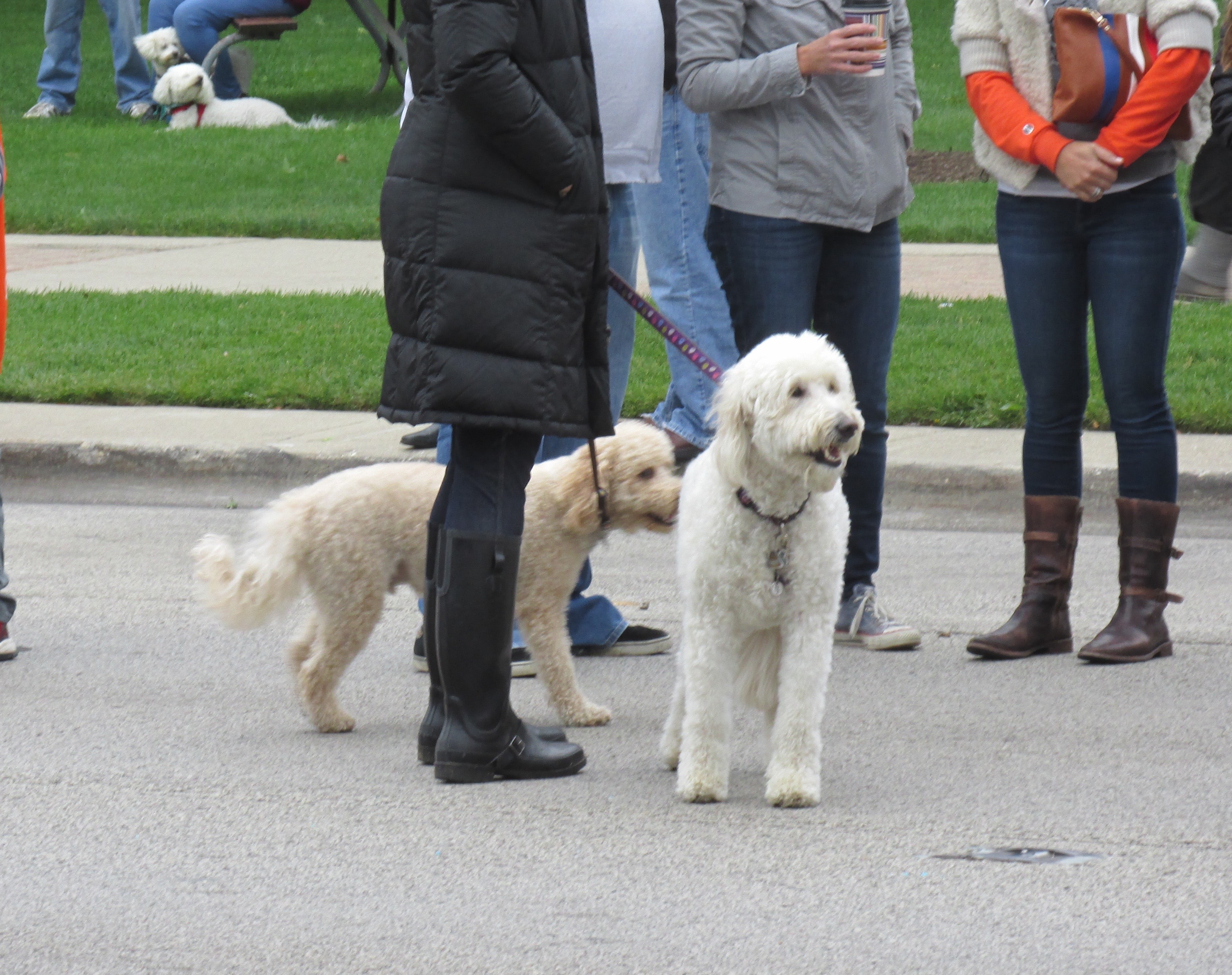
One very dog-friendly town, these two await their family in the Homecoming Parade.

For sure, the schools are great.  Top-tier nationwide, the high school is launch pad for our next generation of leaders.  The junior schools are our pride and joy.

But beyond that, our little town is a hive of busy optimism, set on a picturesque palette of heritage buildings, generous parks, a network of lakes, streams and wetlands, and threaded with neat roads and lanes through open, treed neighborhoods.

img_1172

Two young parade watchers celebrate the downtown alley.

In the summer the town square is thronged with picnickers and market vendors.  In the days leading up to Christmas, Santa is taking last minute orders, and come the end of school, there’s a pretty spectacular fairground set up with horrendously noisy and garish rides.  A great venue for kids to escape for a while as summer approaches.

Even though there are 5-lane roads quartering the Village, its geography exudes community: a oneness of safety, children, exceptional schools, careful planning, well-being and promise.

I mentioned the goodwill of the folks who live here.  Many came to the town hall meeting last week and in front of a couple hundred neighbors, gave passionate testimony in defense of their small town.

img_1183

The village’s architecture is preserved and treasured.

One lady made a simple statement, but with profound meaning.  Before her, the discussion had recalled the past,  and how developers had walked away from our village to build their shopping mall in a neighboring community.  Another developer took its plans for a millionaire’s subdivision complete with golf course to another neighboring village.

Clutching the mike with both hands, she said, “We chose this village to live in because of its character.   We didn’t lose the shopping mall.  We didn’t lose the golf community.  We simply chose not to develop, and not to have them.  They aren’t what our Village is about.”

The debate on whether the 148 dwellings will materialize will continue.  They are described as low maintenance, “lock and leave” buildings for the travel and retirement set.

In the mean time, we’ll still be here, and the front door is open.


Thanks for reading!  I hope you will share this with your friends who also treasure the small town.


Standard
Culture, Thank You, Thanks

Really, thanks!

matt-writing

A time of civility…

What is it about people today that writing to say “thanks” is too much work?  It seems the least one can do in return for a gift, a dinner, a night out, a sales order, or a visit.   Here is the story of one thank you worth noting.

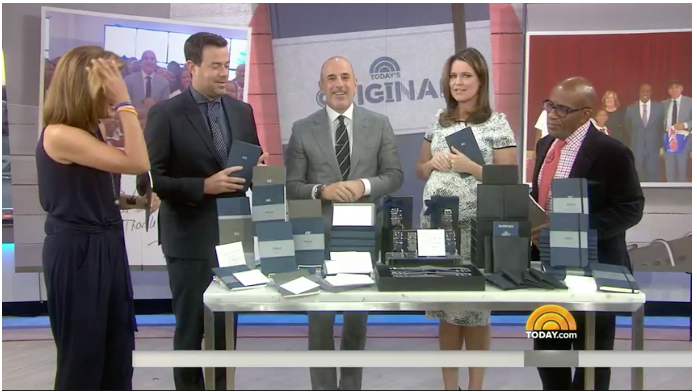
My frustration is really a hat tip and compliment to NBC’s Today Show host Matt Lauer. You may have seen his visit to the blooming Shinola factory in Detroit.

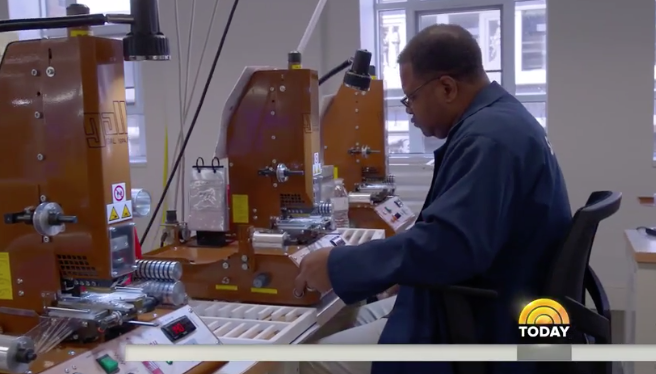
There, dedicated folks are building a little industry in journals, greeting cards, thank you notes, day planners and personal calendars.

Mr. Lauer’s interest in Shinola is twofold. First he is supporting entrepreneurial growth in one of the toughest and long abandoned districts of Detroit.

detroit-edison-assembly

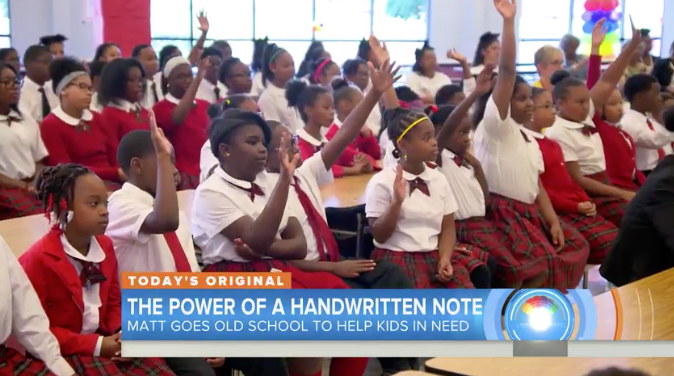
Detroit Edison Academy students

The streets are bordered by broken homes and derelict factory buildings. Homeless denizens still occupy the corners of doorways.

Despite that, there is The Detroit Edison Academy, an elementary school nearby where uniformed children are taking on the challenges of learning and self reliance with optimism.

matt-high-fiving

Matt Lauer cheers on the D-E kids.

Lauer’s gift to the school are the profits derived from Shinola’s sale of his personalized product line.

All part of the comeback process for urban Detroit.

Lauer’s other pursuit is the rebirth of the hand written note.

shianola-watch-production

Technician building the Shinola watch

“Everything today is digital. I like to live in an analog world, which takes one back to a time of civility when people took out a piece of paper and a pen to say “thank you.”

matt-lauer-the-shinola-line

Matt and the Today Show crew viewing his personal line of Shinola journals. Profits go to Detroit Edison Academy.

Shinola’s Detroit product line extends beyond leather and linen covered booklets to precision watches. The combination of the two products appeals to an array of sophisticated and enlightened consumers.

The production lines are the breeding ground for devoted, and motivated workers clad in smocks and dust free head covers.

saying-thanks-to-matt

The D-E students present Matt with their hand written cards of thanks.

Lauer is hooked on the booklets and journals. Clutching one he testifies, “There is the joy of hanging onto something that doesn’t ring, beep, or send you a tone.”

Detroit Edison Academy looks like an oasis in the middle of an urban desert. Its hallways are clean and bright, and teeming with good looking, tidy kids on their way to a better future.

matt-lauer-card

“Let’s never forget the personal touch! Thanks for helping,”

They cheer Matt later for his support, and in a presentation, thank him with a bounty of hand written cards.

Lauer is overcome. “Thank you. This means so much to me. I am one of those believers who still write someone a little note… when was the last time you went to a mail box and found a letter that was addressed to you? Isn’t it a special feeling?


Thanks for sharing!  You can watch this really cool video of Matt’s visit here.

Standard
Marketing, Thank You

How To Save Your Brand

AA TicketerThe most successful companies are those that everyone can place in a good story with a happy ending.

So it is that I can report to you that American Airlines gave us back our money, no questions asked.

It is a seemingly daunting challenge to get money out of a mega-giant company.  $45 billion in sales, 339,000 employees, protected by walls of service teams separated by deep moats of phone boards, websites, fax numbers, procedures and protocol.

Still, it only took two phone calls and a personal letter to initiate a resolution that delivered two valuable e-vouchers which we will use by January, 2017.

The Customer Relations Department looked at our problem and said, “Yes!”

Ironically, the same day we received the prized e-vouchers we also received an email from an earnest worker in the “Refunds Department” saying, “No.”  That was a belated response from our website submission of the original request, over three weeks ago.

We were delighted and satisfied with the turn of events, on many levels. First, we got our money back, no small deal in itself.   Second, American did the right thing quickly, within 4 days.  Third, and most important, American had recognized the value of a happy customer.

This last accomplishment is a twofer: of course, we will advocate on AA’s behalf, contributing to that word-of-mouth phenomenon wherein reputations are defined for good or bad.  But on top of that, American reinforced our belief in the goodness of the relationship, and that is the ultimate customer satisfaction, knowing we haven’t been ripped off by someone we thought was our friend.

I can’t stress this last point enough.  Brands live by their customer relationships.  The better a customer knows a business, the more profitable the relationship.  That’s because we buy more, we come back often, we cost less to service, and we bring our friends.

American Airlines’ Refunds Department, inappropriately named, failed on this test, but kudos to the Customer Relations Department that got it right.

Thanks for reading!  Please share, and to the readers who wished me luck in this venture, I can say it all worked out just as I hoped, and expected, that it would.


Standard
Thank You, Thanks

What You Do When Disaster Strikes

IMG_2660

Last minute arrival.

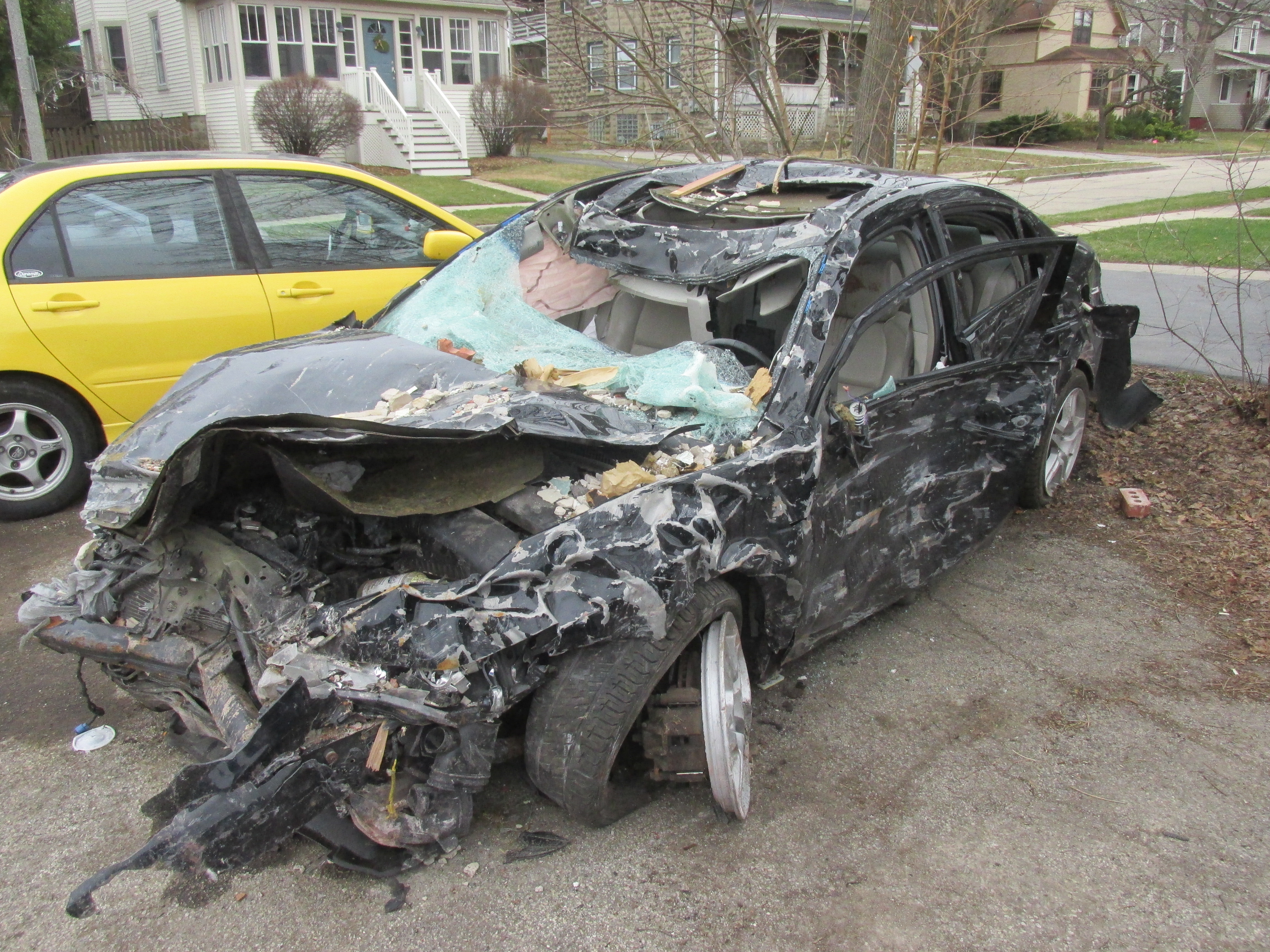
March 31, at 6:10pm central time a 2006 black Acura sped out of control on Butterfield Road next to our house. Witnesses in front of the car saw it weave across three lanes from their rear view mirror.

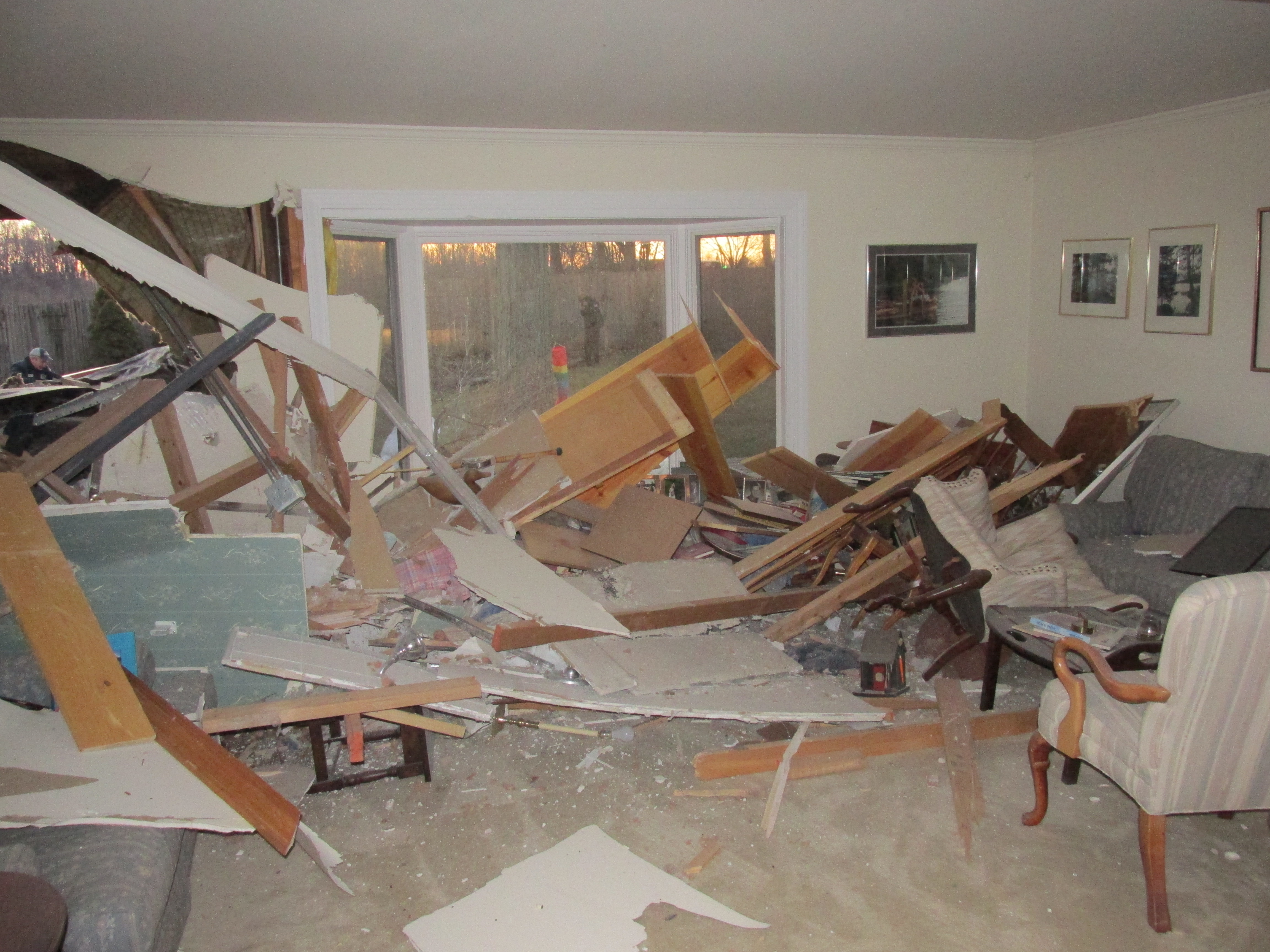
Abruptly the car turned hard to the right and side-slipped 75 feet across our lawn hitting the back corner of our bedroom. It did not come to a halt. Rather, the vehicle and occupants continued through the brick wall, spun 90 degrees in the bedroom, and drove through the bathroom, grinding to a stop half way through our living room.

IMG_2762

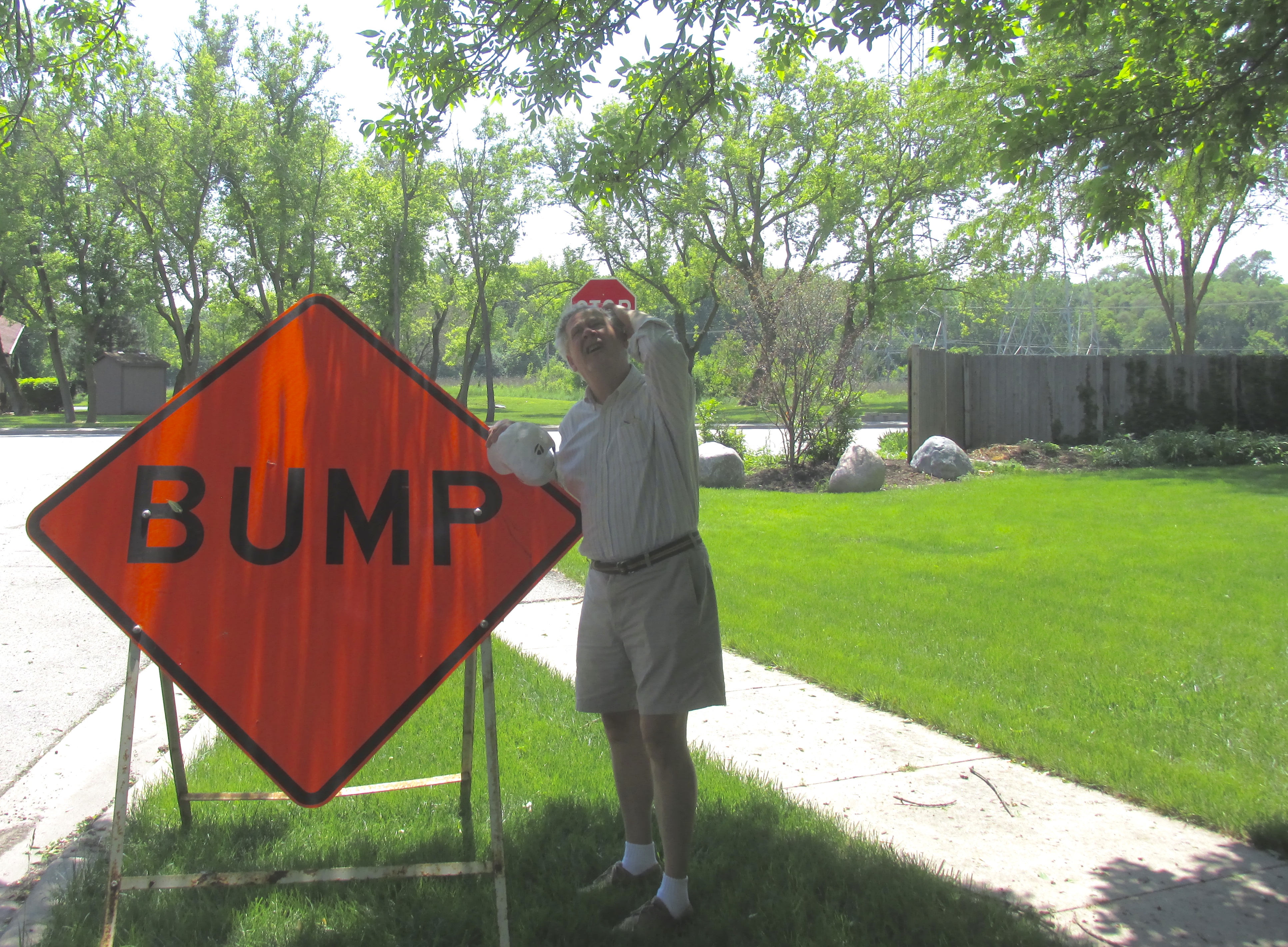
Perfect targeting avoided the fence and the stop sign.

Moments before that we had sat down in the living room to watch the new springtime sun set over the row of budding trees beyond our bay window. It would be the last peaceful scene we would see for weeks.

At the moment of impact, we were stunned by the deafening explosion. Our first thought was a falling plane, or perhaps a meteorite had crushed the house. Then the wall of the living room imploded before us, pushing couch and armoire ahead of it, and blasting a framed picture across the wall to land on our other couch. Glass, plaster, wood and dust everywhere.

Running down the hallway to the bedroom, we looked in, and there was a clear view of the highway. The entire wall was gone.

I could have written about this incident months ago, but decided to hold off until the dust had settled, and not just literally. While I don’t recommend this approach to understanding the role of first responders, I can say we learned a lot about what to do when disaster strikes you, or someone else.

IMG_2667

Passengers were extracted by Libertyville’s first responders. The child in the back seat only had a scratch over her eye.

So this is what you do when you are the object of the disaster.

1. Are you okay? Apparently we were, because we both jumped from our seats and looked around. No pain, no numbness, and no bleeding. The fact was, we weren’t touched, but certainly shocked.

2. Anybody else around? Once we saw the rear of the car in our bathroom, it was pretty clear we weren’t alone, but there was no way to get near the car with the tangle of rubble, conduits, joists and furniture blocking the path.

3. Call 911. Did that immediately. First item: name and address. Closest intersection. Phone number. Bring a couple of ambulances, a car crashed through the house. Stay on the line. Literally within two minutes the Libertyville police were knocking at our door, and the fire department appeared moments later. It turned out that an officer had just driven past our house on the highway when he heard an explosion. Looking in his rear view mirror a plume of white smoke blossomed over our yard, and he knew something was up.

IMG_3158

Road repairs this summer–check the new boulders as our first line of defense.

4. Shut everything down. It became obvious to us pretty quickly that professional first responders know the routine, and we were the lucky beneficiaries of their experience.

In the next ten minutes, the gas was turned off. The power was cut. It took a little longer to get to the water, but that was turned off too.

5. Follow orders. Despite our own assessment, we really were more shook up and addled than we knew. That’s when the police and fire fighters stepped up. They kept us away from the house, pending a careful review of its structure. It could cave in. Or blow up. As things turned out, the building was stable despite missing one corner, and the presence of a 3,600 pound car resting on the main floor.  Kudos to the architect who designed this house.

6. Call insurance. Quite amazing… the fire department chief asked for our carrier and he had their speed dial on his phone. We were hooked up with our “good neighbor” State Farm, in seconds. A few moments later, our fire chief also provided a list of company names to manage the board-up of our house. After picking one from a list of ten, a truck of workers arrived 30 minutes later with a load of plywood to board up the missing wall of our house.

IMG_2730

The business side of the Acura. Our CDs were found under the dashboard.

7. Take pictures. Thank goodness for digital photography. We took over 100 pictures on our own from every angle. These became invaluable later on for filing claims, identifying lost articles, piecing objects together.

The insurance claims adjusters request a digital picture of everything lost or damaged. My advice to you now is to photograph your entire house and contents, wall by wall, ceiling to floor.  It’s easy, and effective.

8. Think big. When it comes to placing a value on that couch you bought 25 years ago, it’s worth a trip to the furniture store first. Our homeowner’s policy provided for replacement value. But something that cost $1,000 in 1990 probably costs $3,000 now. Take your time filing your claims, and get the numbers right first.

IMG_2674

Home renos on the horizon. The wall imploded around us.

9. Rationalize. When fate strikes a blow, there is an urge to blame someone, especially when other people are involved. The fact is, the driver had blanked out due to an attack. Nobody’s fault to speak of.

Looked at another way, the car could have left the road ten yards earlier, or later, with no serious consequences to anyone.  Let it go.  If you have retribution beyond repair compensation on your mind, get your legal gown out, because you will be in court for a long time.

10. Keep notes. We kept a diary of daily developments during the recovery from the crash. Six months of hand written notes recording names of workers, dates, what happened. These can be useful for insurance purposes but just as important, it telegraphs to the hundreds of people who are in your home that you know them, and care about what they are doing.

IMG_3211

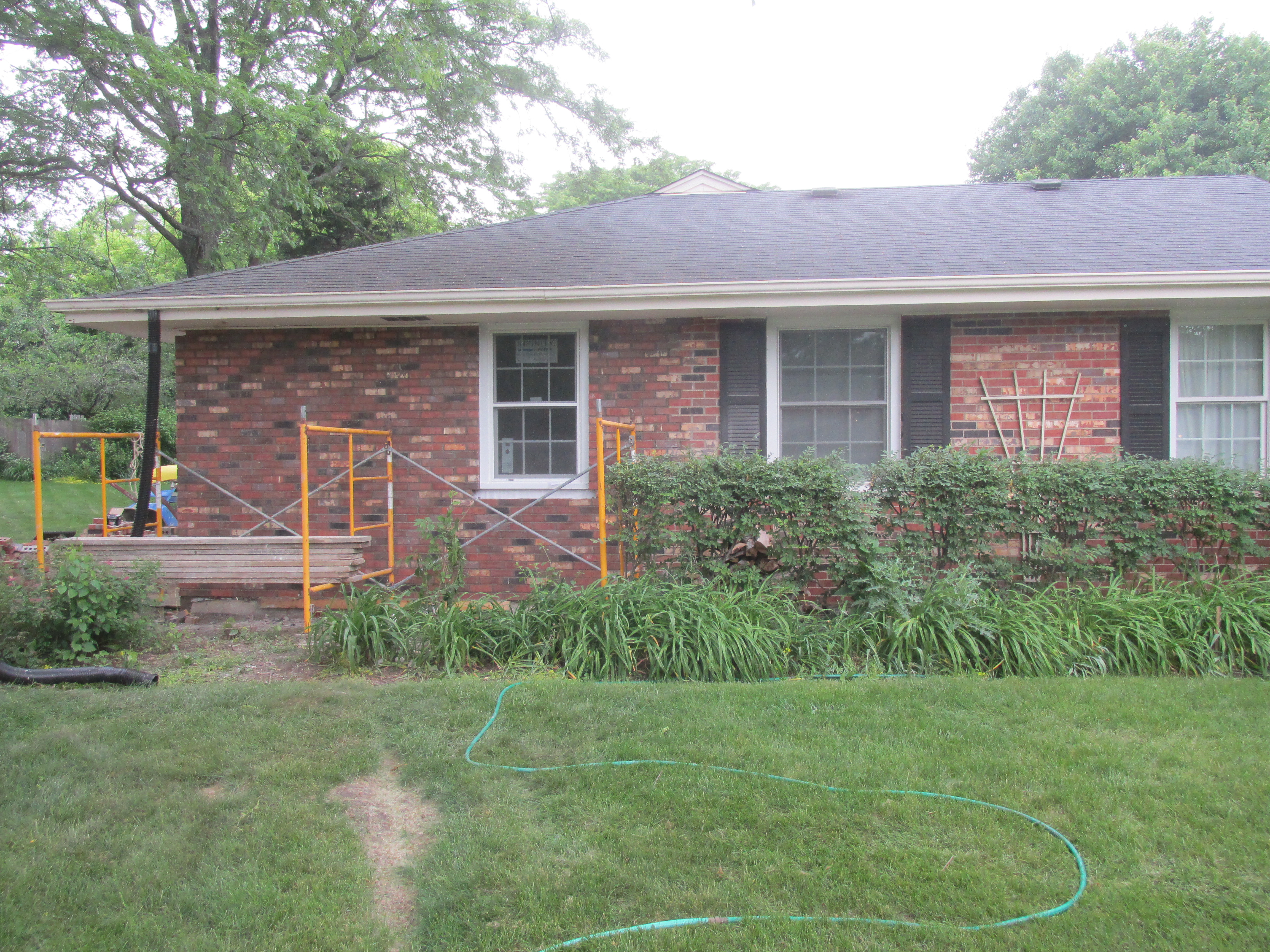
Masterful repairs by the contractors. We saved and re-used over 1,300 bricks.

11. Be private. Within 30 minutes of the big boom, we had a Channel 5 helicopter hovering over our home. Reporters were lined up across the street interviewing neighbors. That was because the police chief asked if we wanted the media on the property. No thanks, not tonight, actually.

Next day, the newspaper crew came by, and in the light of day, it was easier to tell the story, complete with pictures. The resulting publicity is electric, with news feeds delivering your story to people nationwide.

12. Be gracious. Human nature is that we all like to stand on our own feet. Accepting help is a weakness.

IMG_3206

A subtle return to the old look with new bricks.

But the fact is, help is the best medicine for the giver and the recipient alike.

Our neighbors demanded we use their spare bedroom, We took it. Others demanded we come to dinner. We did. Strangers came up to us in town and asked after our well being. Hugs and handshakes.

One very concerned and generous lady–whom we did not know–came by to give us a Panera gift card. The meal was excellent. Another thoughtful neighbor counseled us on insurance claims. We needed it.

IMG_2654

Libertyville’s first responders performed flawlessly, and quickly.

The lesson we learned over six months is that people want and need to help. Our job as the injured party is to take it, and treasure it, which we did.

The fact is, every time someone extended a hand, we were flushed with encouragement, and I think they felt better themselves too.

Now, everything is just about back to normal, eight months later.  We don’t recommend this experience to anyone, but for all of that, we are thankful for the way things turned out.

Never ignore the opportunity to help someone, or to make the effort to check them out.  There’s no downside to it! 

Standard
Cars, Culture, Thank You

Farewell To A True And Faithful Friend

Blue at Weslemkoon

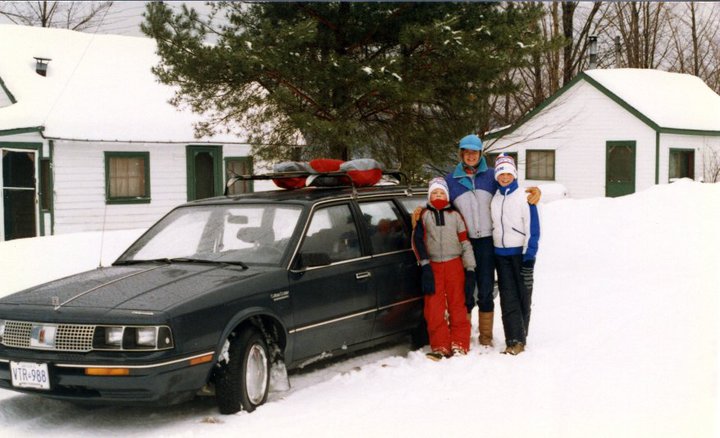
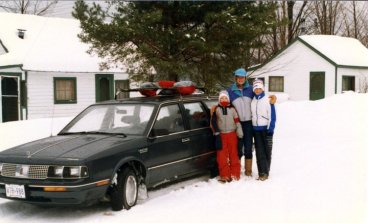
Our first Olds Cutlass Cruiser.

It’s strange how we can instill heart and soul into material objects. Because of that, this is a wistful moment, bidding farewell to a member of our family for over 25 years.

Back in 1990 when we bought our home, the real estate agent said, “Hey, you have a few dollars left over from your loan, why don’t you buy a car?” So we acquired a brand new Oldsmobile Cutlass Cruiser, a mid-sized station wagon.

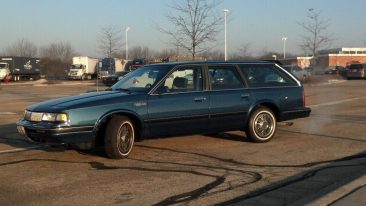
330,000 miles later, here we are, standing beside Blue, who is resting quietly in the driveway.

You may think it is a stretch to give a soul to a machine, but it is not uncommon. Sea captains adopt their boats. Hearst had his Rosebud, and Davey Crocket, his trusty rifle Old Betsy.
Blue after a wash

Blue, fresh out of the shower.

Olds Plywood

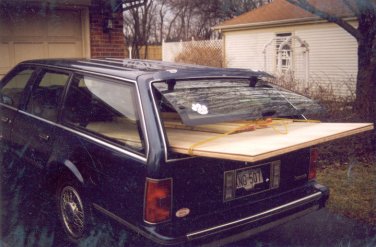
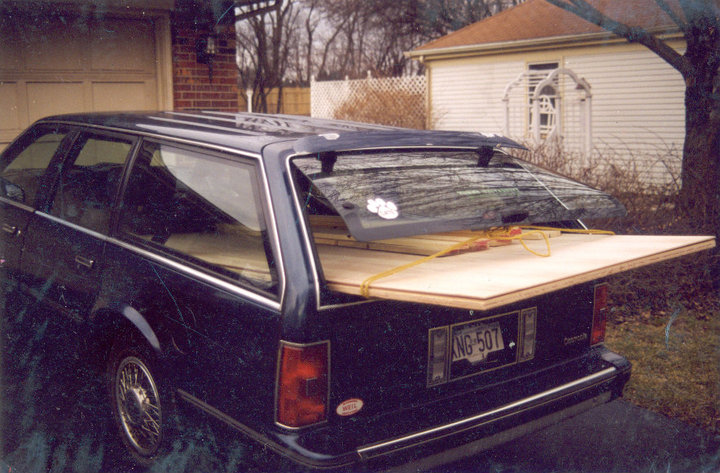
A rare talent: a 4×8 sheet of plywood through the window.

Actually, Blue is resting on the driveway, not in it. Family only goes so far.
The reason why this departure is so touching is that we remember when we first got Blue. We traded in an earlier Olds wagon, the exact same model.

It was the easiest order a car salesman ever took:
“Yes sir, can I help you some how?”
“Yep, see that Olds wagon in the lot outside? I want another, just like it.”
“Certainly. Just like it?”
“Well, yeah, but with air conditioning, fuel injection, and FM radio.”
“Power windows and door locks?”
“Nope. If we drive into a lake I want to be able to get out.”
“Same color? Blue?”
“Yup.”
“Done.”

The paperwork took much longer, but by the next day we had Blue.

Years later there’s no need to recount all the outings and family trips in Blue, but the car distinguished itself by its steadfast performance.   According to industry stats, Blue must have been made on a Wednesday, because he never suffered a quality issue.  Beyond the normal R&M costs, Blue lived a clean and pure life.

It was not until 14 years later, on a mild December evening in 2004, that we truly realized what a prize Blue was.  We had parked outside a restaurant for dinner, and walking in, spied a similar Cutlass Cruiser wagon, same vintage.

I was moved to scribble a note and leave it on the windshield:

“Hi! Great car!  We have one just like yours.  Look behind you. 210,000 miles, and runs like a clock!”
Olds Back Seat

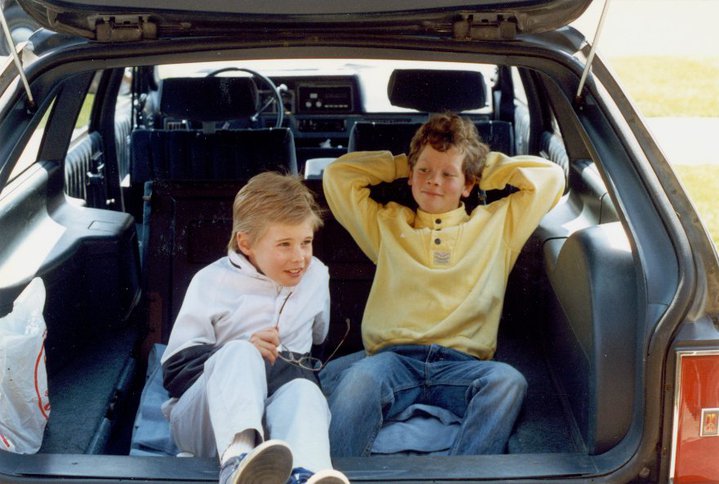
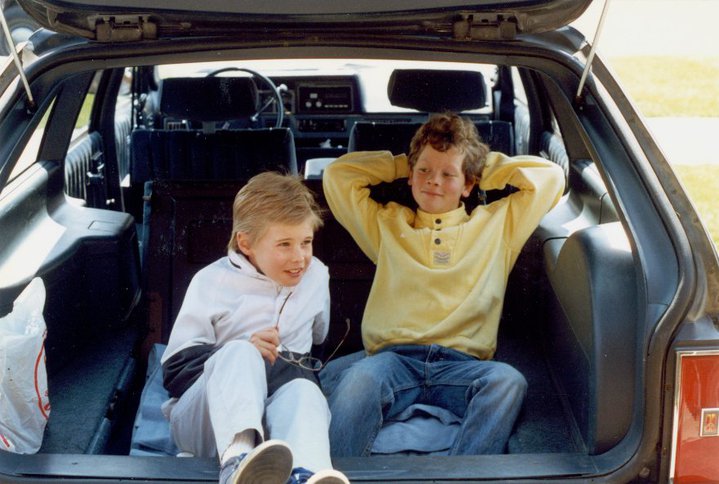
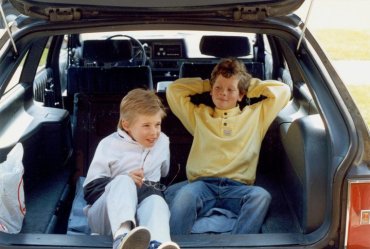
Rear view treat: the seat of choice.

When we came out of the restaurant after dinner, the wagon was gone, but we found the note with a reply, under our wiper:

“This car just won’t die.   190,000 & runs great. Hope you make 300K.”

And here sits Blue today, well past the mark.

With a few makeovers mind you.   We have repainted Blue four times.   Maaco gives us respect, though honestly, the owner there may have succumbed to paint fumes.   On two different occasions we returned after a week to pick up Blue as scheduled, and he couldn’t remember us or the car.
Blue Possum

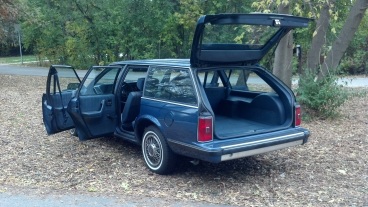
Varmint duty: airing out after trapping a possum.

But the new paint jobs breathe new life, just like a new suit, new carpet or a new kitchen.   People would stop to stare at Blue.

“What year is that?  How many miles you got on her?”

We never viewed Blue as feminine, but protocols demand the female gender for cars it seems, just like Pat Brady’s Nellie Belle.

Another common comment from admirers:

“We used to have one just like this.  Rode in the back seat.  Does it face backwards?”

You bet it does, kids loved it, but the D.O.T. put an end to that hazard, understandably.  Still, it was fun.
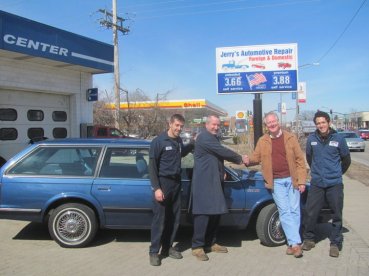
Olds Jerry's

The pitt crew: Don and the team.

But what Blue could do with its backseat and rear window was pack in a 4’x 8′ slab of plywood, thanks to General Motors’ patent on the hatchback window.   You can find the same feature on Cadillac Escalades today.

Unfortunately for Blue, General Motors lost its way, and designed a long series of geriatric, goofy looking Oldsmobiles through the 90s and into the new century.  Sales withered, and April 29, 2004, the last rolled off the line.

Mean time, Blue had become my main ride, and delivered me daily to work and home, racking up the miles.   One day, in 2006, around 229,318 miles, I filled in the new owner questionnaire.   I was 16 years late, but General Motors responded February 9, 2007.   Adam Dickinson, our designated Customer Relationship Specialist congratulated us.   After a stream of compliments, he suggested:
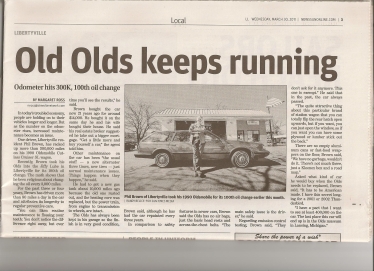
Olds March 2011 copy

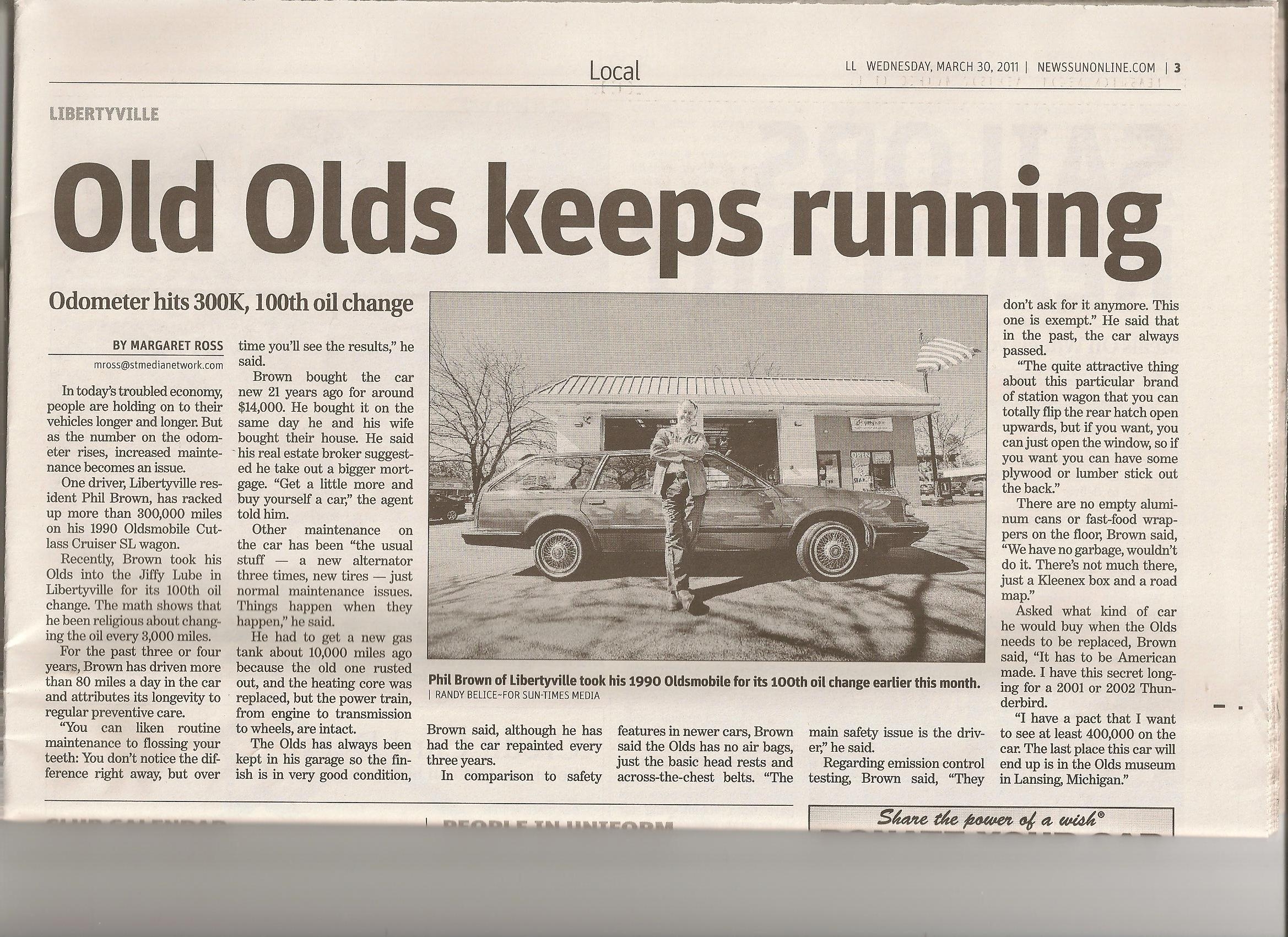
15 minutes of fame, and a year’s free oil changes.

“We would be remiss, however, not to suggest that you look closely at our new Cutlass at your local dealership….”  That was three years after the demise of the Olds make.

Denial.

We wonder today if Adam is in a small cube somewhere, still writing optimistic notes to holdouts like me.

In summer 2009, Blue was worried.   The CARS program lurked.   Car Allowance Rebate System, popularly known as Cash For Clunkers, was the federal government effort to compensate GM and others for turning out a decade of lemons.   To the automobile, this was like plague, emerald ash borer and mad cow disease, all rolled into one.
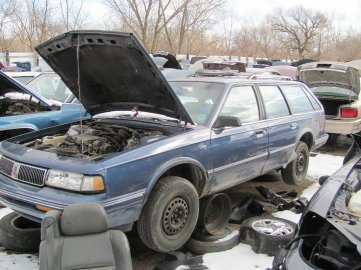
Blue's Worst Fear

Blue’s worst fear: to be stripped at Pick & Pull.

All told, the feds grabbed 671,000 vehicles off the street.  Blue wasn’t one of them.

As a celebration, Blue had his own Facebook page.   It was revealing, listing his favorite movies, shows and songs: Bullitt, Dukes of Hazard, Knight Rider and Deadman’s Curve.

January 2011, the miles continued to climb as Blue enjoyed continuous 100-mile round trip sprints to the office every day.   300,000 loomed ahead on the odometer.   We contacted Jiffylube, which had been Blue’s choice since May of 1991, mile 5991, 20 years earlier.

They sensed a PR opportunity when easy math showed a century of oil changes: 100 visits.
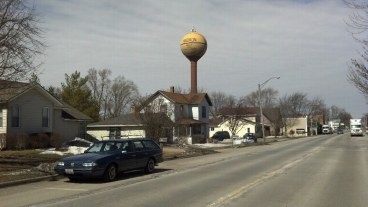
Blue in Hebron

Under the State Champs water tower, Hebron, IL.

Jiffylube’s ad agency jumped on Blue and he had a day’s coverage in suburban Chicagoland’s news, taking interviews from reporters and an FM station in Dubuque.  Best of all, a gift of free oil changes for a year.

Celebrity is emboldening, if also a heavy responsibility.  We bought Blue a new set of tires, with the slim whitewalls to complement his spokes.

The daily commutes were Blue’s opportunity to let the ponies go.  There is a 4-lane strip of highway north of Chicago where we pushed the speedometer over two digits a number of times.  Only for a mile, but long enough to let him smell and feel the brisk air screaming through the rad grill.
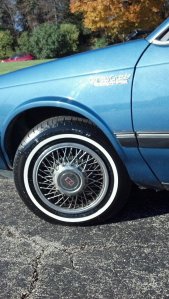
Blues new wheels

New tires. Sweet!

Sadly, things change.   With our retirement, the commutes stopped, and not too long after, Blue saw his first signs of slowing down.   Kind of an automotive hardening of the arteries.   Don, the pit crew chief, who has managed Blue like an uncle cautioned us:
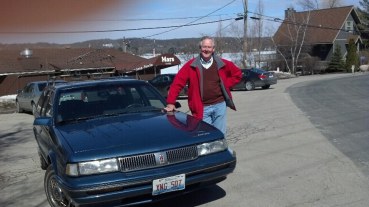
Blue at Mars Bar

A ride in the country, Lake Como, WI.

“Yunno, he’s stiff.   You’re not running him hard.   So he gets tired.  He’s gonna stall on ya every once in a while.   Nothing serious, but he really needs a good long drive.   And some Gum-Out.   Use high octane every once and again, just to clear the injectors.”

Then last week, a new wobble.   Driving out for a visit to the hardware, Blue couldn’t make up his mind on which gear he was in.  3rd? 2nd? Drive?  We got him home by slipping into Neutral at every brake and corner, just to keep the revs up.
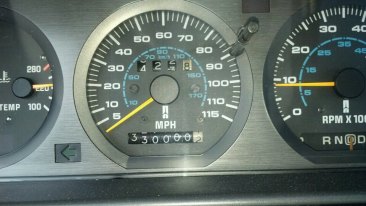
Blue at 330,000

Blue notches 330,000.

He wouldn’t talk about it.   When we pulled the hood release to check the engine, the wire snapped, locking us out of a closer look inside.   Blue was suffering his pain quietly.

Back to Don again.

“It’s the solenoid in the transmission.   We’ve tried everything, but it’s dead.  He’ll still shift, but you might have to change gears manually.   There’s nothing else we can do.”

At mile 332,879, the automatic Hydra-Matic transmission that was perfected by Oldsmobile in 1939 was out of the race.

Our worst fear is that Blue could end up in the jaws of a car crusher at some junk yard.  It is  unpalatable.   Better to hide under a tarp in a barn.
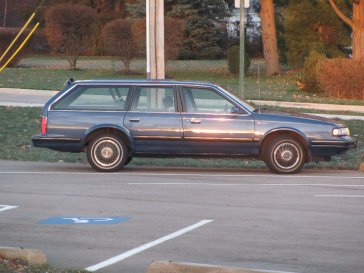
Blue at Sunset

Sunset, Butler Lake in Libertyville, IL.

So we are hanging onto Blue, and will nudge him past 333,000, maybe with a trip or two to the golf course, or to a grassy park overlooking the tollway, where he can hear and smell the noise and speed of the thousands of cars that whine and hum along the lanes below, unaware of his watchful gaze.

It’ll be a sunny, breezy day.


Standard
direct mail, Marketing, Thank You

Pitcher Perfect Packaging

How Naked Wines Got A New Angel On Hold

IMG_2828

Buying in bulk is always a satisfying event.

Last writing, we witnessed the power of the package insert, that targeted brochure in the Shutterfly shipment that talked me in to buying a case of wine online.

Crazy!

IMG_2873

$100 bucks. Does it make sense? Who cares. Go for it!

What follows is the recipe for embracing a customer with a story and greeting that is irresistibly compelling.

Remember that 62% of lost customers complain they were simply ignored.   Naked Wines took that lesson to heart.

They pried the door open with a powerful offer: $100 off a case of wine.  I was hooked.

As soon as I had hit “send” I received an order confirmation.  No surprise.

IMG_2859

The huge box was designed and written to please the buyer.

But next came an Html, signed thank you letter from Rowan, the founder of NakedWines.com, including a short story from one of the NW vintners.

IMG_2858

Wine, beautifully wrapped and cradled like dynamite.

The company’s proposition is essentially for “Angels” to pre-fund their member accounts, and draw on the account to purchase wines at 40%-60% off the list price.

Beyond the discount, we are cutting out the wholesale distribution  constraints which small vineyards face.

Thus, ordering Naked Wines warms you twice: once by buying and then once while drinking.

Good News On The Door Step

In a few short days we took delivery of our starter case of wine.   This is where the story gets warmed up with several touches.   Pay attention, because the NW marketing team got it right.

IMG_2854

Rowan’s letter hints at acceptance to a special club.

The box is about twice the size of a normal wine case. Hah! Stupendous!  On the top is a greeting, aimed at Gen-Xers, which is especially charming for retirees like me.

The side of the box reinforces the message that wealth is not a requirement for buying good wine.  Great!  Costco can wait.

IMG_2851

The embossed envelope is all about celebrating our purchase.

Cracking open the gigantic carton, we find more package inserts, making more ridiculous price offers.

Underneath, four layers of insulated wine bottles are revealed like shining mummies in a newly discovered tomb.

The embossed envelope is stuffed with bumper stickers, window stickers, and most important, a signed letter from Rowan, the founder of Naked Wines.

But Not So Fast…

IMG_2846

A good marketer reminds the consumer how good the deal is.

His message repeats the NW positioning–Angels help small vineyards deliver low-priced, high quality wine, and he starts a tease: you are not an Angel yet.

We are in queue to open a member account, but there are 15,289 in front of us, like Clarence, still waiting to get their wings.

Rowan advises we get an NW app to see our place in line move up as Angels before us finally take flight.  Rowan might say, ‘as the eagle flies’, looking at his bank balance.

We aren’t hanging on the edge of our bar stools, but still, Rowan is showing Tom Sawyer-like hesitation in allowing us full Angel status.

Rounding Out the Story

IMG_2845

More offers! We can’t save money fast enough.

A well delivered value proposition continually reinforces its message to the buyer, long after the sale.   Rowan’s letter includes a graphic for impatient scanners which pictorializes the deal….oh yeah, that’s why I did this.

Beside that, he includes some family photos of the vintners so we can better relate to the hard-working growers we are supporting.

The final touch is brilliant.   The vintner writes a signed letter on the back of each wine bottle.   Do you read the back of the cereal box while you are munching down your Wheaties?  Naked Wines recognizes that habit, and uses it to embrace the buyer with a thank you.

IMG_2848

One of the struggling, purple-footed families we are supporting.

The full complement of printed greetings is supported by @NakedWines Twitter address for those candid remarks that might bloom from a recent sit down with a new bottle.

We are in the preliminary round of testing the Naked Wines.  It is unlikely we will place the “Strip and Sip” decal on our car window, what with driver distraction rules.

IMG_2837

Each bottle is labeled with a signed letter from the winemaker.

Meanwhile, we are assiduously staring at the clouds, swishing grape nectar over our palates, wondering when our Angel number will come up.

Today we are 15,181.


Thanks for reading!  I have never got over the excitement of ordering exclusive goods from strangers far away.   Naked Wines does its best to enhance the enjoyment of buying.


Standard
direct mail, Marketing, Media, Thank You

Why Hard Copy Matters

From the time that they could open mail, I have written notes and cards to our grand children.

The goal was to accustom them to the excitement and anticipation that accompanies a successful trip to the mail box.

A real letter will always prevail over an electronic communication with the same content.

Like a personal gift, it eclipses any email. Hilly 500

Granted, the mail box delivers direct mail too, and some may object.   But compare a couple letters, catalogs and cards a day versus an earful of robo calls, or endless repeat ads on TV, and nervous, persistent popups on your favorite website, and you are prepared to give the mail man, or mail lady, a pass.

In the  social media arena, the email medium has a dark side, which I blundered into this week.

It started when scanning my email folders, I found that I had collected some spam.   I opened the “junk” folder to find a stern notice summoning me to a court hearing next week.

The subject line was ominous: County Court Summons.

Hunh?

Like a total rube, I opened the email for details. It announced that I had been summoned by a named county court officer to appear March 25.   I was advised that in my absence, the court would proceed with actions as described in the official court document attached.

“Gawrsh, holy moley,'” I said under my breath, “I better open this file, pronto!”

Screen

Uh-Oh.

When I did, the computer screen flooded with a thousand lines of code. More characters than a kanji encyclopedia scrolled before my bedazzled eyes.

In a panic, I punched keys left and right, closing the file, and dove under the desk for the power cord, to rip the laptop off the grid.

Pointless of course.

Returning to the spam folder, I found another foreboding greeting, this one from E-Z-Pass toll collections  warning me to pay off past due charges immediately.

Much wiser now, I did not open the Official Billing Notice attached.

I had been duped by the brusk, official look of the email, and should have recognized the ruse immediately.

Email builds its own insensitivities.   We are more disposed to ignore it, or save it never to read later.   It’s a casual, low calorie communication.

Conversely, without thinking, we may dive right in like I did, and open it, only to poke a bees’ nest.

2015-03-19_10-04-53_917

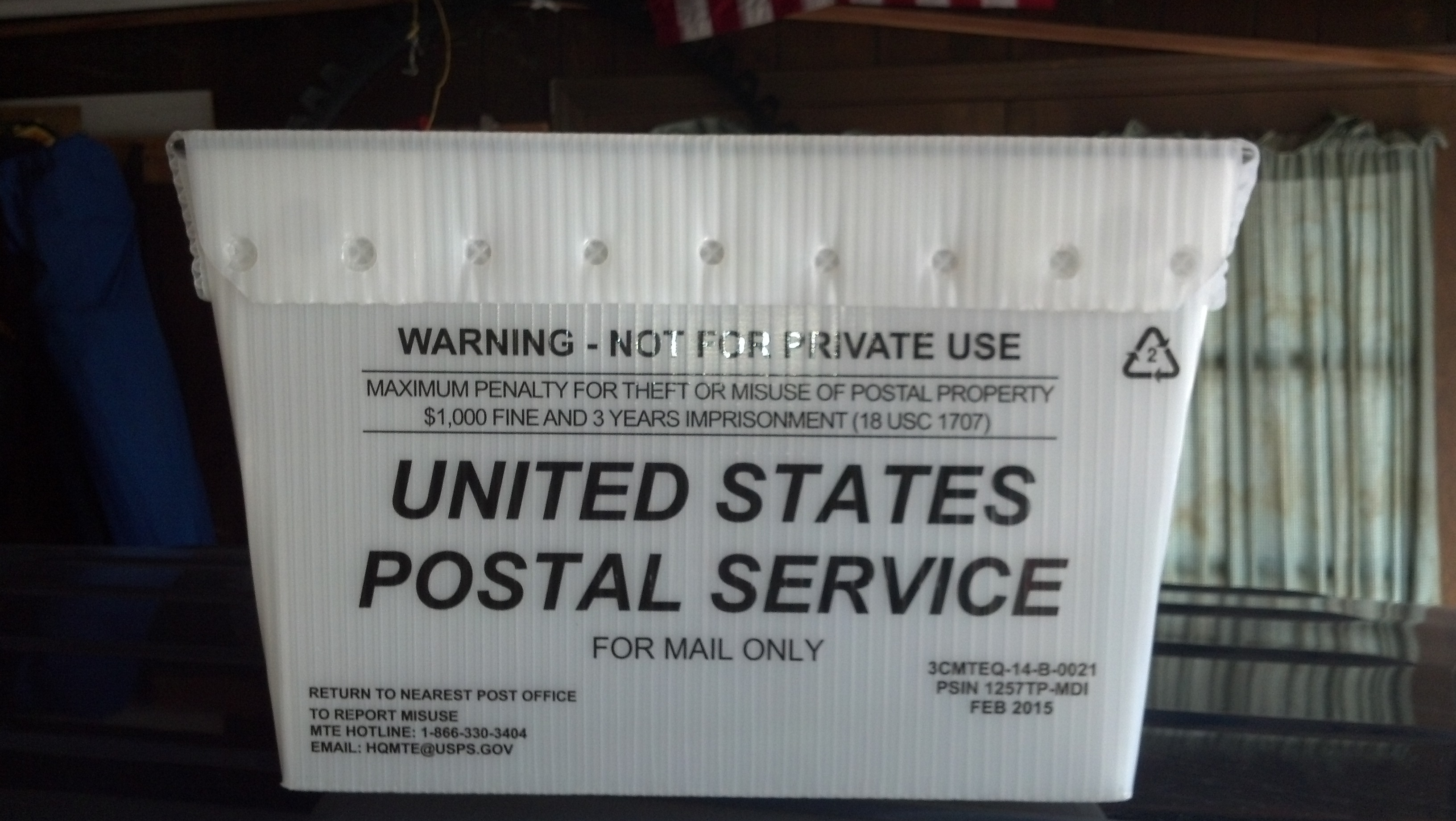
The real deal: Federal property carrying real value.

Regular postal mail requires much more attention, both by the writer, and the receiver.   The fact that postal mail is a Federal government enterprise, armed with regs that have brought many a crook to jail, gives me great comfort.

Esthetically, there is enormous value in every personal letter, because it’s a perfect indicator of care, concern and thoughtfulness.

Hilly 501We feel good opening a letter, and just as good writing them.

So I continue my efforts on peppering the grandkids with real letter mail, printed on paper, much in the tradition of my own grand parents, hoping that one day, they will get the bug.

It’s slower, physical, and more thoughtful.

And who knows, maybe just one day, what goes around will come around.

Standard
direct mail, Economics, Marketing, Thank You

Ten Reasons You Should Thank The USPS

Teddy StampWe are all cheesed that the USPS is looking for a 1.97% increase in postal rates.  But before we run to our social media to complain, let’s open the envelope.  What are we getting?

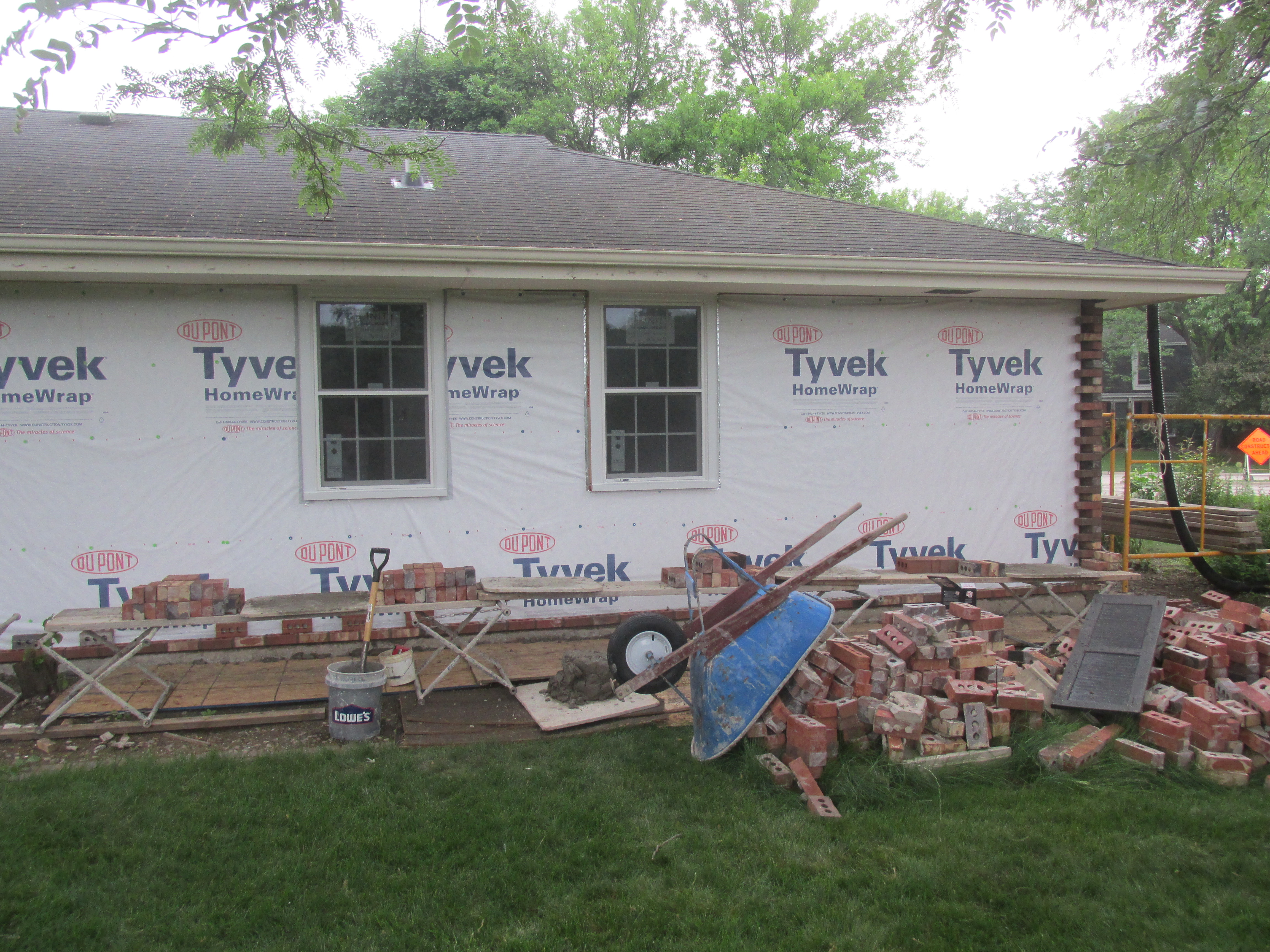
1.   Door-to-door, pick-up and delivery.   Not only does a real person come to your home to deliver mail, but they are charged to pick it up, too.   Beats driving downtown.   And they do this 6 days a week.

2.   Equal representation.   The USPS is probably the only government institution which situates an office based on population density, rather than political handouts.  For sure, it’s the only federal presence in your community that isn’t there to administer laws and levy taxes.

3.   Legal authority.   A USPS postmark is an official seal, and when your letter is in the system, it’s a completed act.

4.   Jobs.   The USPS employs over 600,000 people.   It’s also the network that directly supports another 1.3 million people who use the mail to make a living, according to the Direct Marketing Association.

5.   The Grid.   There are 142,000,000 delivery addresses in the United States which are visited daily by the mail person.   The USPS grid is like a vast capillary system that beats nationwide, touching the most distant extremity.

6.   Innovation.  Maybe hard to believe, in the face of digital networks, but the USPS has refined and streamlined delivery to the point that it is cheaper to mail a letter today than it was 10 years ago.

7.   Protection.   Your mail is protected by federal law.   The space inside your mailbox is federal property.  The blue boxes situated across your community are safety deposit boxes, in effect.   Drop your mail, and it’s secure in the system.

8.   Culture.   What other government body continually picks new designs to celebrate on the face of a stamp?   Rock stars, writers, artists, scientists, athletes, discoverers… and they are BIG stamps too!

9.   Resilience. Despite a whirlwind of communications technology advances, the USPS still has cache, delivering nearly 500 million pieces a day.   When was the last time you saw a public phone booth?

10.   Fiscal control.   Yes, it has a $5 billion budget deficit.   Works out to $8,333 per employee.   The federal government has a $483 billion budget deficit.   $112,013 per federal employee.   In the bigger scheme of things, go figure.

Nobody likes price increases, but it is a sure thing that the USPS has done leagues more work to control costs than any of its government cousins.  In light of its value, can you really complain?

By the way, the price of a first class stamp remains at 49-cents after the hike.   Good anywhere in the nation.  Buy a bunch, they’ll last forever.

Standard
Marketing, Thank You

What Makes Your Brand Stick

1950 Chevy 990 copy

Our 1950 Chevy: ready to roll.

Some imprints last forever. Your first bank account. Your first cola. My parents’ car was a strong imprint for me. We had GM cars since the dawn of life it seemed. So my compass was frozen on GM: Chevy, Buick, Oldsmobile, even the Vega!

Old Olds

The 1986 Olds Cutlass Cruiser Wagon.

Our first big car in my family of four was an Olds Ciera wagon: the Cutlass Cruiser. We bought it 1986, and loved it so much, we bought another, just like it, in 1990.

Recalling the day, I walked in to our local Cadillac Olds dealer, pointed out our car to the sales rep, and said, “Just give me another, like that one.”

Within the day, I drove a new Cutlass Cruiser off the lot. Pretty much the same color, had the same cool rear-facing third bench seat the kids loved. The only upgrades: Electronic Fuel Injection had replaced the carburetor, and air conditioning and FM radio.

Olds Back Seat

People still ask if there’s a rear-facing seat today.

I kept the hand crank windows just in case we drove off a bridge into water and couldn’t get the doors opened.

When people asked why I liked the Cruiser so much, I had a bunch of responses, but always described how I could get a 4×8′ sheet of plywood in the back window without opening the rear door.

So the day came along when I decided to get a new wagon, and I returned to the dealer, walked in, pointed out my Olds to the sales rep, and I said, “Just give me another, like that one.”

The guy looked at me like I had just wandered in from the woods.

“You’re kidding, right? No wagons here. Not anywhere.” A bit of a smirk, “Oh wait, maybe you can get a Volvo, or a Saturn.”

I was stunned. I had been in the woods, asleep for at least 7 years during which time “station wagons” had been driven (haha) to extinction by GM.

“How about a Hummer?”

I walked out in a daze.

Olds Plywood

One of GM’s innovations: the hatch window.

Knowing I couldn’t let the Cruiser go, I chose instead to get it painted. I could live with it if at least it looked new.

Olds Cutlass 97-99

The last Cutlass in 1999. A low-fat ghost of prior greatness.

In 2007, I wrote GM a note about my car, filling in the owner’s survey.   I was 17 years late.

They wrote back: “It was especially interesting to hear your Oldsmobile has traveled 229,318 miles…”   I was pleased to get the response, and also from a real person.  I read on, “we would be remiss, however, not to suggest that you look closely at our new Cutlass at your local dealership..”

Alas, unbeknownst to GM, the last Cutlass had rolled off the line in 1999.

You can listen to the humming of the wheels...

It went for miles and miles…

Fast forward, the Cruiser became my commute car, and I tacked on the miles.

Incredibly, it never ground to a halt.  With the occasional makeover on wheels, alternators, batteries, brakes, suspension and mufflers, the Olds just kept on rolling.

How?  By regular, faithful tune-ups.

Olds March 2011 copy

Jiffy Lube gives me and my Olds a pat on the back.

Every 3,000 miles I drove in to JiffyLube and let them soothe the Olds’ jangled commuted nerves.  That’s where they knew my name, too.  Pretty cool!

Lo and behold, in March 2011, I notched 300,000 miles.

Jiffy Lube (Shell Corp) blessed me with a year’s free oil changes, and a PR push that got me radio interviews and some pub in the local news.

Olds New

A 2014 testimonial to a brand that won’t quit.

Is there a lesson here?  Several.  First off, stick with the one who brought you to the dance.   I still drive my Olds wagon. And I hold a torch for General Motors.  Who knows, the Cutlass may return.

Second, seek out faithful, loyal customers and celebrate them.  I always take my cars to Jiffy Lube.

Third, never smirk at a potential sales inquiry.  I have never purchased another car from the dealer who said, “no” in so few words.

That is the view from the rear-facing seat.

Standard