direct mail, Economics, Media, Politics

Found: The Hidden Miracle in the USPS

Spoiler Alert: This Is A Good Story About Numbers
Every year the media touts the headline that the United States Postal Service lost another few billion dollars. Politicians get huffy. The digerati are quick to call the funeral home.

But in fact, the USPS has accomplished an amazing business coup in its mail delivery management.

First, look at the current “bad news” available in the latest Revenue, Pieces and Weights report* for USPS full year 2014.   Figure 1 gives some highlights.
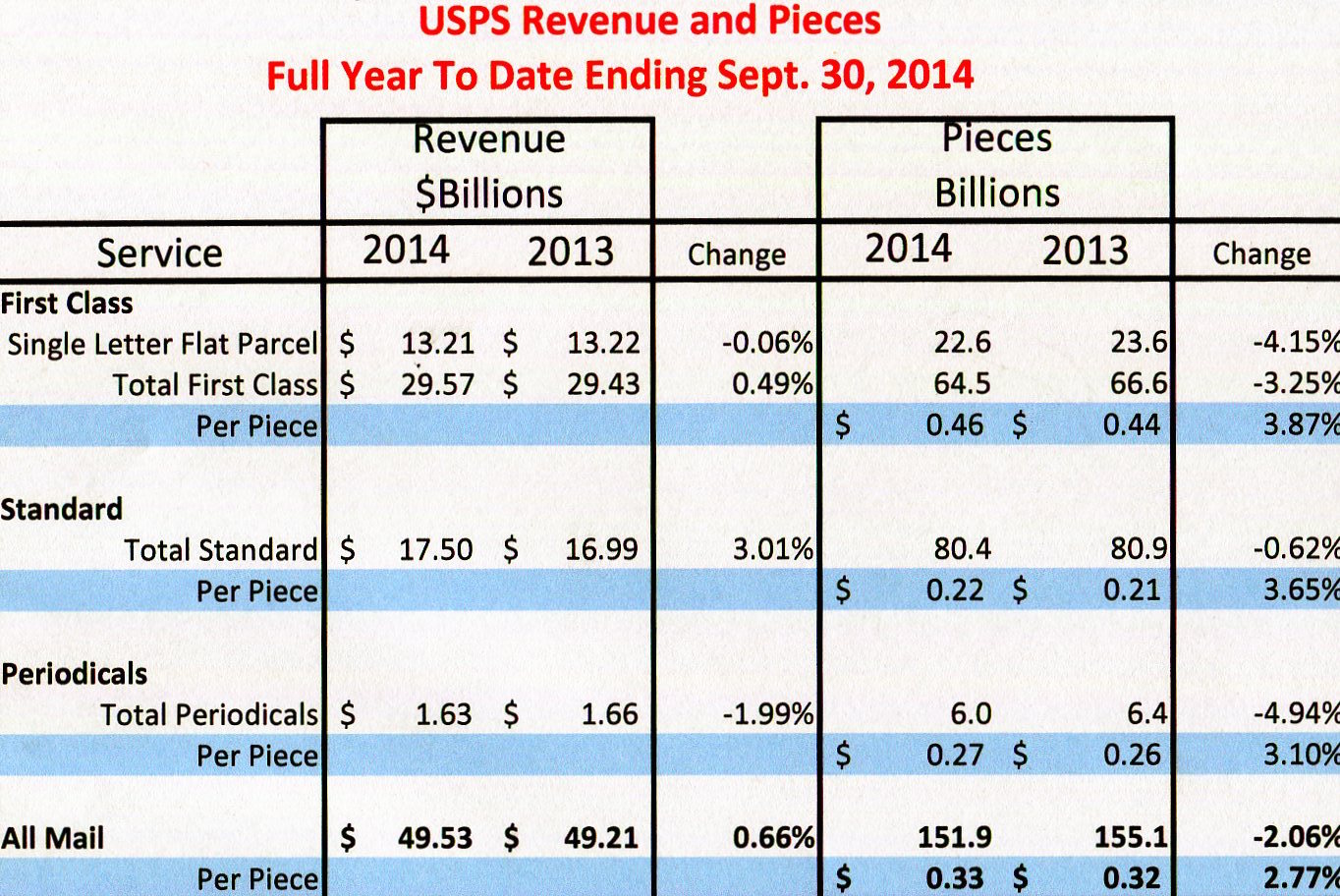
Fig.1.  2014 revenues were up 0.66% while volume fell 2.06%

Fig.1. 2014 mail revenues were up 0.66% to $49.53B while mail volume fell 2.06% to 151.9B.

Mail volumes decreased from 2013 to 2014. A 2.06% decrease to 151.9 Billion pieces. “Pieces” include letters, parcels, magazines and flats. The shrinkage may be attributed, if you wish, to a blended increase in price (postage) from 32 cents to 33 cents per piece. A 2.77% increase. But it probably has more to do with society’s use of email.   We would just as soon email Gran a singing birthday gift card as send her a parcel.

Dig deeper and we find that First Class volume shrank 3.25% while actual revenues increased 0.49%.

Postage per piece went up 2 cents, or 3.87%

What we know about mailing economics is that there is no elasticity. When postage goes up, volume goes down.

This is the fundamental truth of direct mailers. They maximize performance through testing list, offer, format and copy. The best performance becomes the economics benchmark. So when Standard Postage goes up 3.65%, we expect some mail to drop out, which it did: 0.62% less.

Amidst The Bad News, A Twinkling of Brilliance

November 14, the USPS presented its preliminary financial results to the Board of Governors. It declared a $5.5 billion loss in income. That made headlines. What was not picked up however, was its mail operations performance. You see, its operations income was $1.4Billion profit.

What that means is that the USPS moved nearly 152 billion pieces across the country to over 140 million addresses, six days a week, and did better than break even. What was the all-in price per piece to the mailer? 33 cents.

2004 Eye Opener

Now lets look at the real miracle of the USPS by comparing 2014 with 2004.

Ten years ago, it delivered 206 billion pieces for $65.87 billion.

Cost back then? 32 cents each.

Not bad! A one-cent increase in 10 years. Despite a 26% decrease in economies of scale, its performance eroded only by a penny.

Surviving The Ravages of Inflation and Restructuring

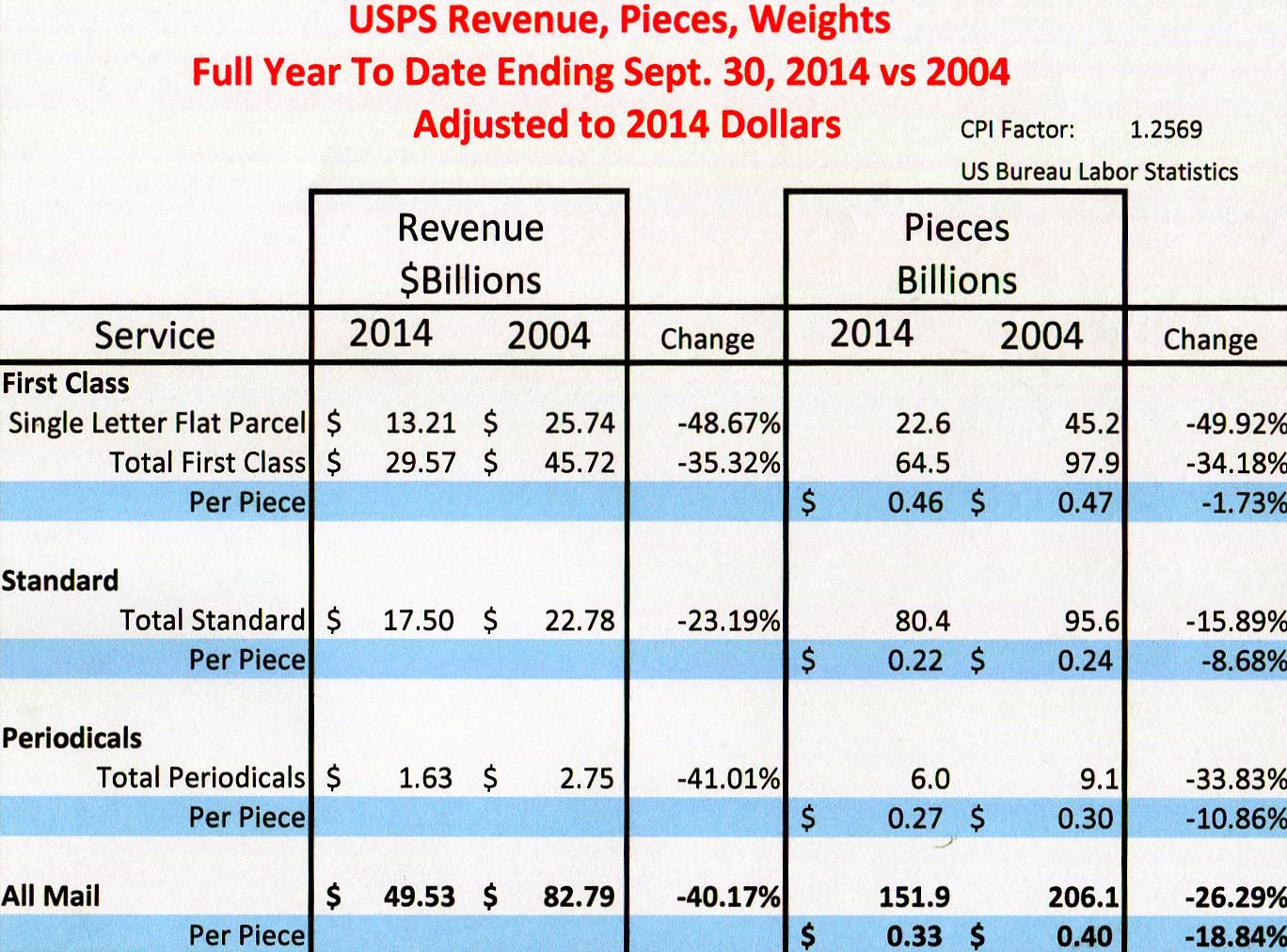
This does not begin to recognize the efficiencies the USPS has managed to achieve in the last ten years however. It disregards the massive cutbacks in volume, and the inexorable devaluation of the dollar. Look at the 2004 figures when they are expressed in 2014 dollars.  See Figure 2.
Using 2014 dollars it cost 40 cents to a mail apiece in 2004, versus 33 cents today.

Fig.2  Using 2014 dollars it cost 40 cents to a mail a piece in 2004, versus 33 cents today.

According to the US Bureau of Labor, we have experienced a 26% increase in prices. In other words, it takes $1.26 today to purchase what $1.00 would buy in 2004.

Applying the CPI to USPS figures then, we find that in 2004, it cost 40 cents to mail a piece, versus 33 cents today.

Standard Mailers would pay 24 cents in 2004 versus 22 cents today. First Class mailers would pay 47 cents, versus 46 cents today.

Magazines: 30 cents then, 27 cents now.

USPS: Economic Movement of Value

This government agency may have its critics.   The oracles may claim that mail is antiquated.   But they can hardly explain how well the post office has learned to distribute real property coast to coast at ridiculously low cost to the consumer.   Email and Internet may be instantaneous, but they both lack the credibility of hard copy delivered under government seal.

It can be said that mail is slow, but it maintains its cache because it is trusted.   We need to acknowledge the effort that the USPS has expended to bring us that service.


*The Revenue Pieces and Weights Report: http://1.usa.gov/1A8wEj1

Standard
direct mail, Sports

The Irresistible Offer, and Making Money

Golf 2014-11-19 739 short

There is no shortage of advice for this game.

The mailbox is a limitless supply of surprises. Today, it presented a special offer from Golf Magazine, one that I could not refuse.

In direct mail, there are offers, but more important, there are deals, and Golf’s latest was a doozy.
This simple envelope expressed a blunt sentiment: ONE TIME ONLY!

Golf 2014-11-19 740 deal

“April is 5 months off, but we want you NOW.”

Does that sound like something your parents would have said?

How about Golf’s business manager, in response to the giddily optimistic circulation manager who came up with the crazy deal?

Golf 2014-11-19 740 six free

Half a year in the upper midwest is golf-free, so why not?

This was in fact a renewal letter. An advance renewal, 5 months out from April 2015, which is the last issue date.
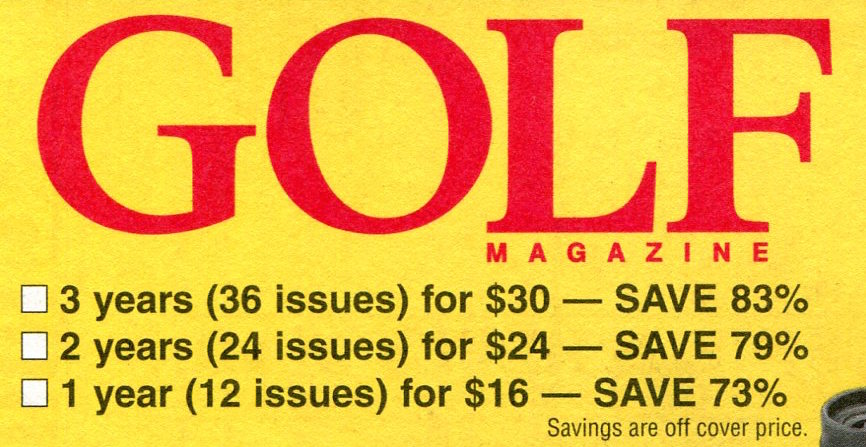
So here’s the deal: 12 issues for a year, PLUS six more issues, for $10.  Basically 63 cents an issue.

Desperate?

Digging through my recycle bin, I found a September Golf blow-in card offering 12 issues for $16. That’s 75 cents each.

Golf 2014-11-727 yellow deal

Relax, there’s always a better deal coming.

At this juncture, one could decide to defer, just because, who knows, golf may never occur again on the planet due to snow, so what’s the point?

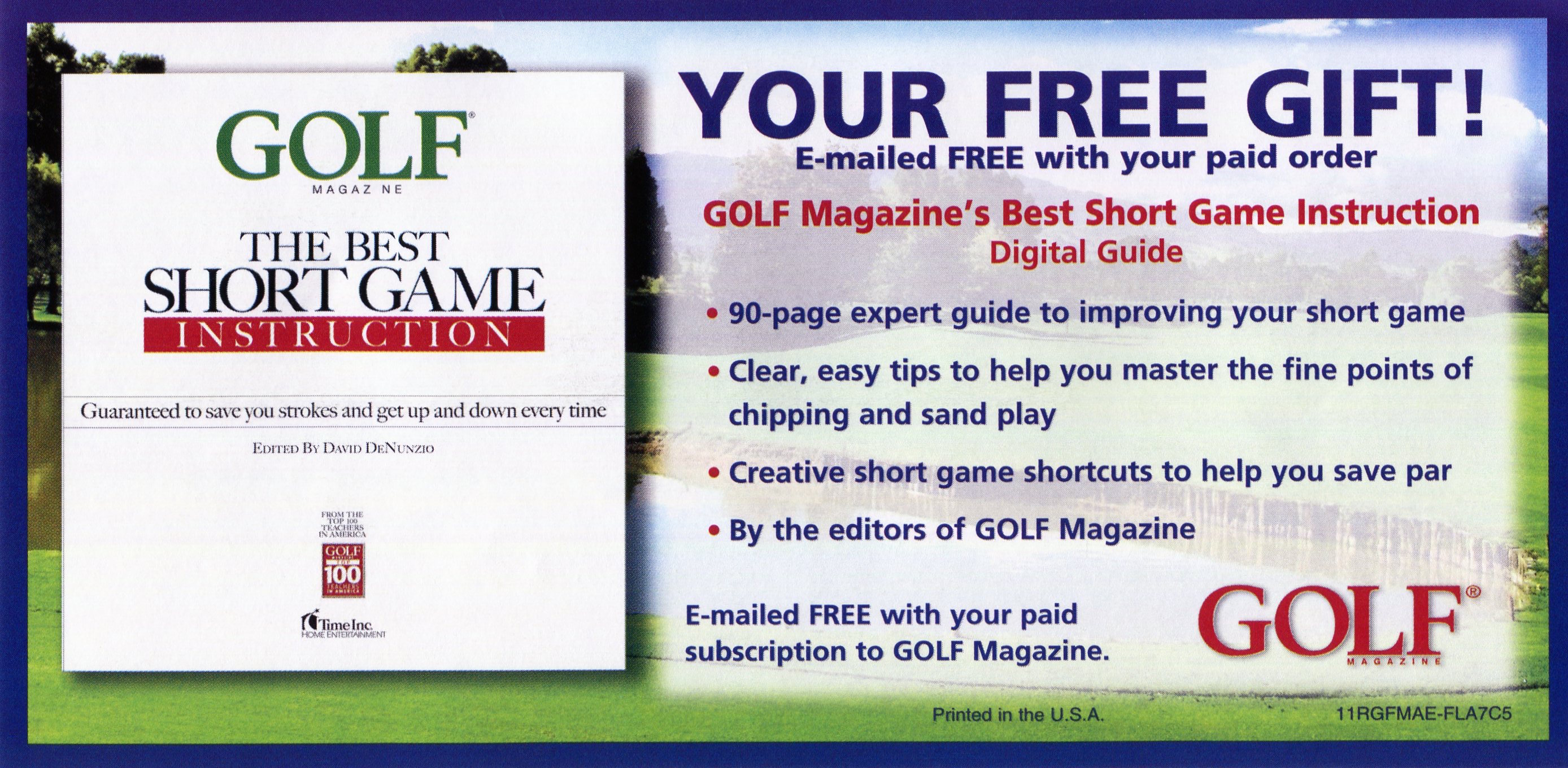
But then the real deal emerges. In addition to the 6 free issues, the renewal also came with a 90-page expert guide: “The Best SHORT GAME Instruction”. Downloadable with paid order. Sweet!

IMG_0989

Lining up the three wood for a water hazard.

Let me perambulate for a moment to say that I play the short game very well.

I can shoot a 56, +/- 2 strokes in 9 holes consistently. I don’t need to play 18 holes to break 72. I can do it in 12, no sweat.

But maybe the book could offer some consolatory advice.

The question we should ask, is how can Golf make any money giving away the magazine almost for free?

Golf 2014-11-19 738

The circulation director shuddered with this deal.

As it turns out, Golf needs me as much as I need their Instruction book. You see, they promise to their advertisers to deliver 1,400,000 magazines a month to avid readers like me.

Looking at Golf’s 2013 rate card, one will find that a full-page color ad goes for $207,100. That’s about the price of a house trailer in Fort Myers.

There are lots of angles in buying ad space, but at the end of the day, a 125-page Golf Magazine carries about 40 pages of color ads, generating $8,300,000 in sales.   About $5.92 per reader.

Golf 2014-11-19 739

The essential irresistible offer: FREE advice.

The magazine may cost as much as $2 to print and mail, so that leaves nearly $4 left to create, write and photograph.  Should be enough!

And what about my $10?  Where does that go?   Well, assuming they wrote to 120,000 subscribers with an April 2015 end-date, their mailing cost is about a dollar each, all in.  $120,000.  Odds are, about 15,000 may renew, which is $150,000 to cover the mailing with something left over for the gent who wrote the SHORT GAME guide.

IMG_1141So that excited Circ manager maybe isn’t so crazy after all.

Now we’ll see if the guide can make my game any shorter.


Thanks for following the math on this.   If you have any tips on improving my game, just write!

Standard
direct mail, Marketing

Victoria, Golf and Testing

Golf 2011-11-734

Every magazine’s sales tool: the “blow-in” card.

The beauty of direct mail is that you can test to find out what works.

So that is why Victoria’s Secret and Golf Magazine enjoy your attention today.

Victorias 2011-11-735

“Pretty” is nice, but in direct mail it’s the offer that counts.

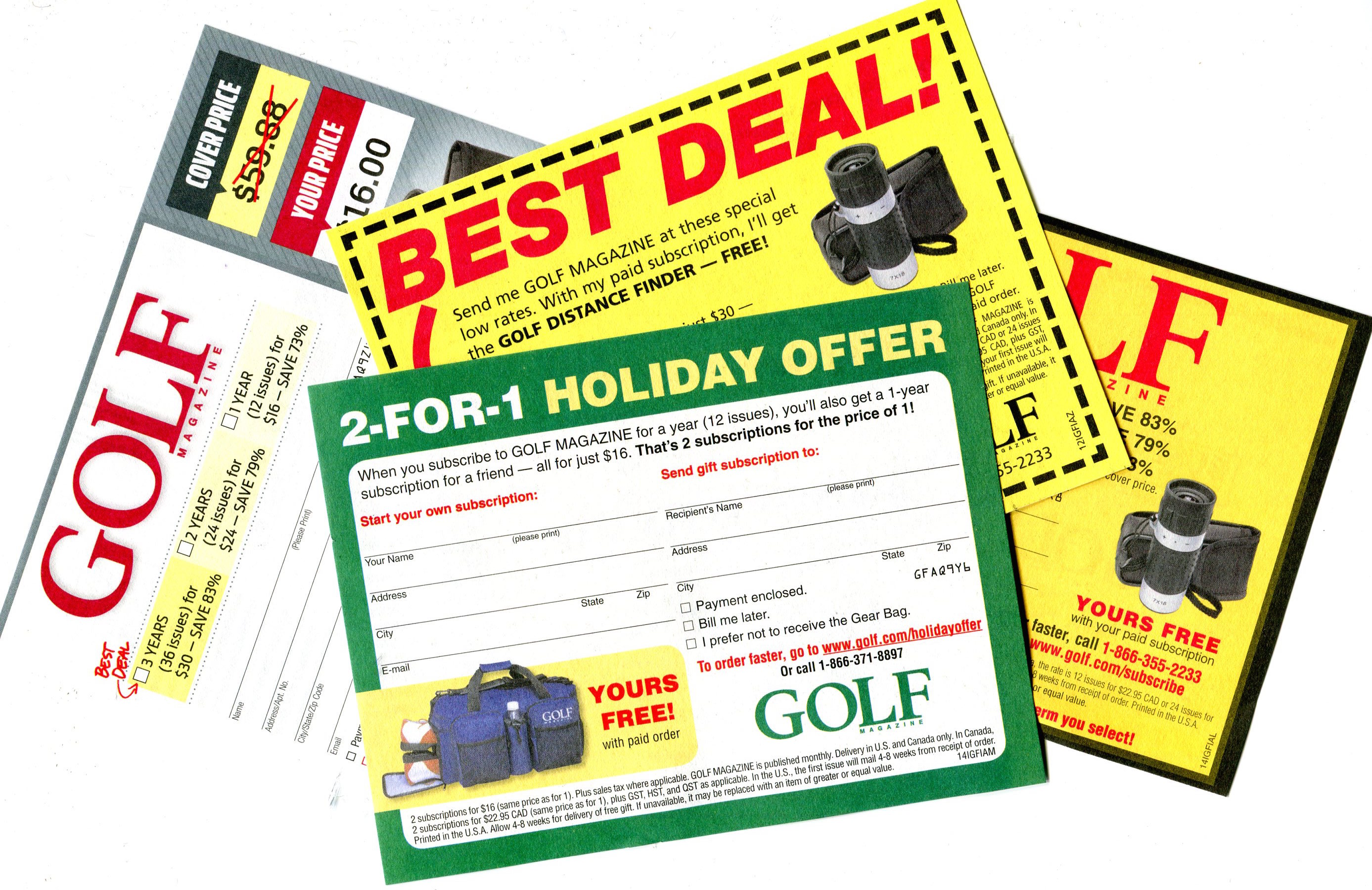
Opening the December issue of Golf Magazine, 4 different blow-in cards fluttered onto the kitchen table.

Why 4?   Because there are a number of triggers to test on the reader.

Golf 2014-11-726

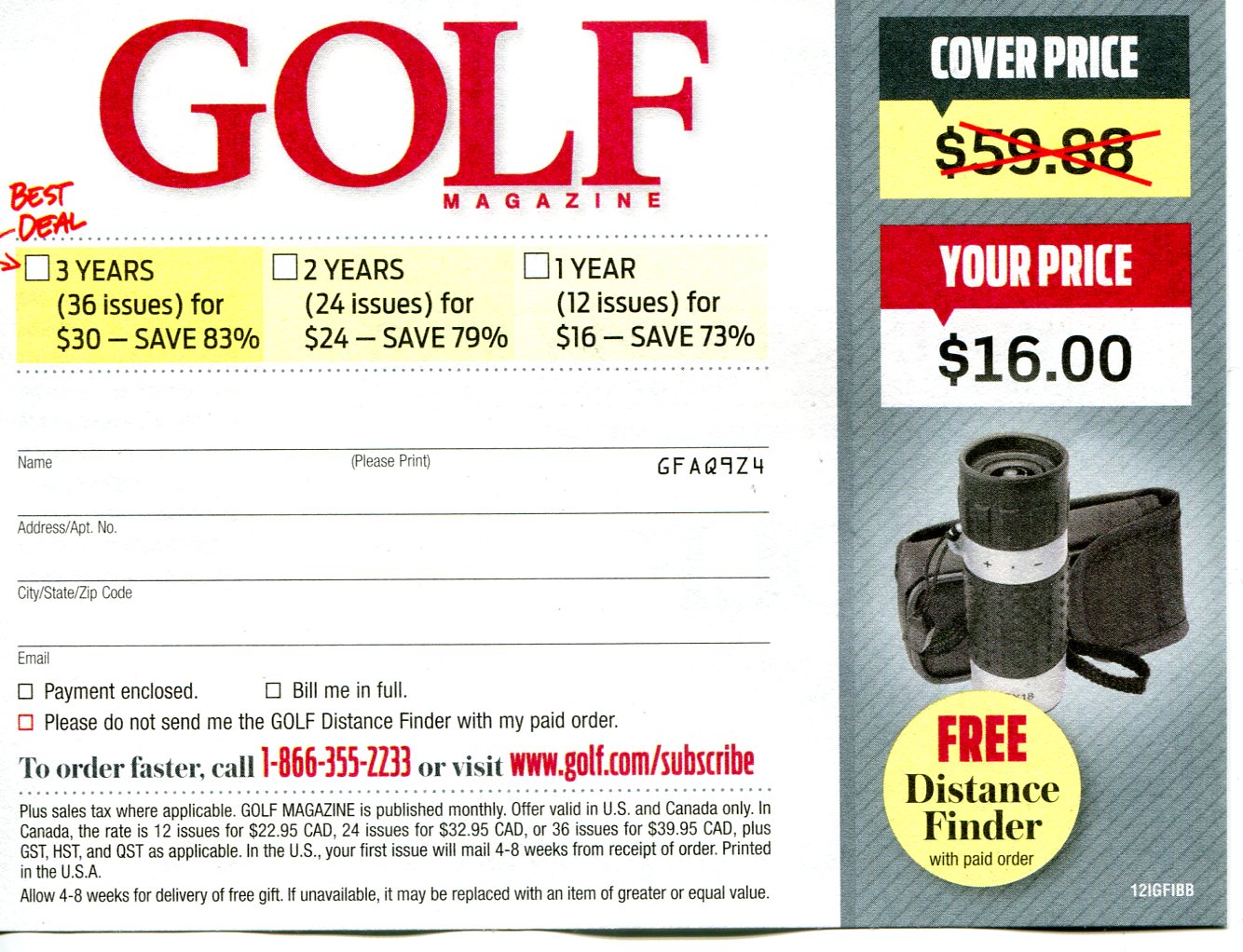
This card focuses on the discount off regular price.

Golf 2014-11-728

The FREE gift is the sales incentive here.

Golf 2014-11-729

Buy one, get one free for a friend, plus a FREE gift.

As it turns out three of the cards have identical offers, but each with a different deal. Or look. One will feature the discount off the cover price. Two will bathe the reader in yellow ink, but one of those is really pushing the FREE gift–a really cool Golf Distance Finder, with “BEST DEAL!” screaming to check the top box. The fourth card is a gift sub card, making a two-for-one deal, plus a very classy Free Gear Bag.

Each card is key-coded to track which works best. Kudos to the subscription manager who recognizes that one deal does not suit all people.

Based on response, you can bet they will tweak the next set of cards, but odds are, they won’t reduce the count: four.

Now turn to Victoria’s Secret, where we get two mailers within the same week, each taking pre-eminent positioning at the kitchen table during lunch.

Victorias 2014-11-733

The mission of these cards is to drive traffic. At least one will snag the reader.

May I note that the “staff” over at Victoria’s don’t probably enjoy lunch?

Fortunately, they do get full, heated-room privileges, which accounts for their restive, but somewhat hungered composure.

The two mailings are spectacular for their origami and construction. Best of all, each mailer contains 4 different mini-cards with specific deals.

Each card’s mission is to entice the shopper to get to the store.
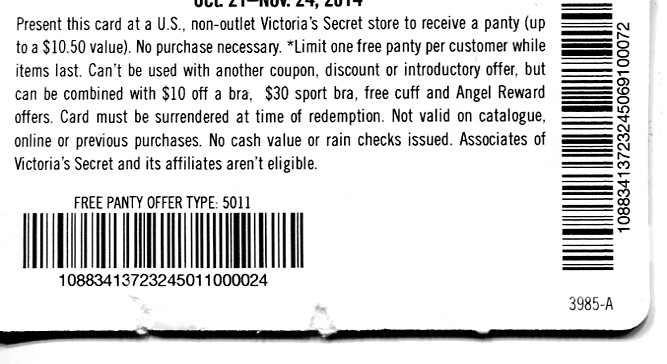
If the Free panty doesn’t do it, the Free Tote Bag will.

Victoris Secret 2014-11677

The advantage of personal direct mail– the ability to track and analyze.

The production on these pieces is clever. One is a 10-page booklet, with 4 mini-cards attached to one page. The back of each card has a live bar code on it. Meaning they can track response to the mailing, the offer, and yup, to the shopper too.  Yikes!

Victoris Secret 2014-11676

Four cards in a 10-page mailing: unstoppable!

The cards themselves are 24 mil, meaning for you lay folks, thick enough to jimmy a hotel lock.

But they are small, demanding less space in your wallet or purse.

I recall as a small youngster having a wad of direct mail coupons which I pretended were dollar bills….kept them in my plastic wallet. I liked flashing “money” when shopping with my mother. I don’t think she would have gone for the Victoria’s cards so much.

Testing through direct mail offers the luxury of control: distribution, offer, targeting and tracking.   When done well, marketers can get the most for their dollar spent.  That means they learn to send you things you like, and don’t send you things that turn you off.

Sharing testing strategies across different media, like mail and magazines is also productive, and enhances perspective.

Gee Dad

“Gee Dad, it looks better over here!”

So I wonder, could we test the FREE Golf Distance Finder with Victoria’s Secret?


Thanks for reading this far!   I hope your mail box provides as much enjoyment as does mine!


Standard
direct mail, Marketing

Presidential Letter-Writing: Good, Bad and You Know…

letter-writingA key principle of direct mail strategy is building the personal connection.   Traditional mail order mavens personalize a relationship with a letter from the president, or owner of the business.   When a customer buys, not only are they endorsing the product, but they are also connecting with the owner, who is implicitly guaranteeing satisfaction.

So when you are making the choice to use a letter or not, you are really deciding, “is this going to be personal, or just business?”   Put another way, is this admail, or direct mail?

Within the letter-signing world however, there are good and bad examples.

The best is the personally signed note.   Not economical, but surely convincing.

AAA HuffstetterThe least persuasive is the typeset signature.   Paranoiacally concerned a signature analyst is going to tear it apart.

But there is something far more worrying.

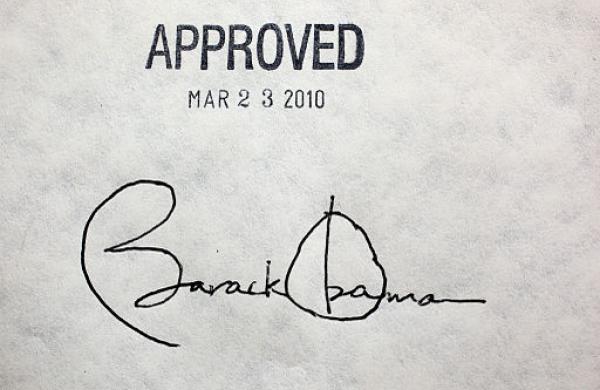
Perusing the news, I saw a photograph of the President’s signature on the Affordable Care Act.   Put aside the law’s contents, what was striking was the shaky signature.

obama signatureAs if our leader had pauses in memory, moments of hesitation, stopping half way through a letter, and then continuing the curve until the next stop.

You may already know this, but in case you have been a life-long libertarian ignoring all laws, and thus this quirky writing habit of CEOs, the jerky writing is attributed to using multiple pens to sign the official document.

In the case of the ACA, there were 22 pens.   See how healthcare costs add up so quickly?

But I digress.   I did a search on this multiple pen phenomenon, and up popped a Time Magazine article with the same signature incident, along with the headline suggesting that our President may have an undiagnosed case of OCD. 

See how a signature creates an image?

Obsessive-compulsive or not, one cannot mail a lot in a full 12-hour day with this type of pen-stutter.

Better, is the thoughtful touch of our third President, Thomas Jefferson.

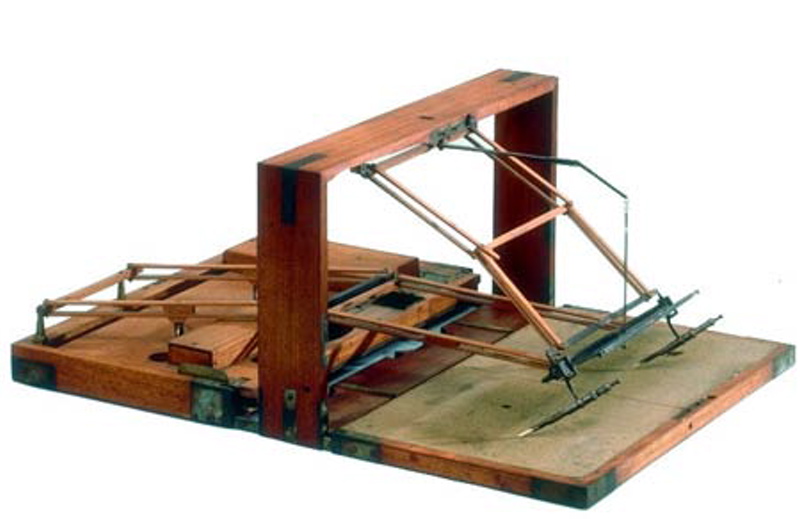
Jefferson MachineRecognizing the power of automation, married seamlessly to manual control, he introduced the polygraph to the Department of State.   This contraption was invented in 1803 by John Isaac Hawkins, of Frankford,  Pennsylvania.

Using the polygraph Jefferson was able to create up to five letters with one sweep of the pen.

Did he know how important direct mail fundraising would become 200 years later?

Standard
direct mail, Marketing, Politics

Fall Seat Sale: The Check’s In the Mail

RNC  558

A dollar a seat… get ’em while they’re hot!

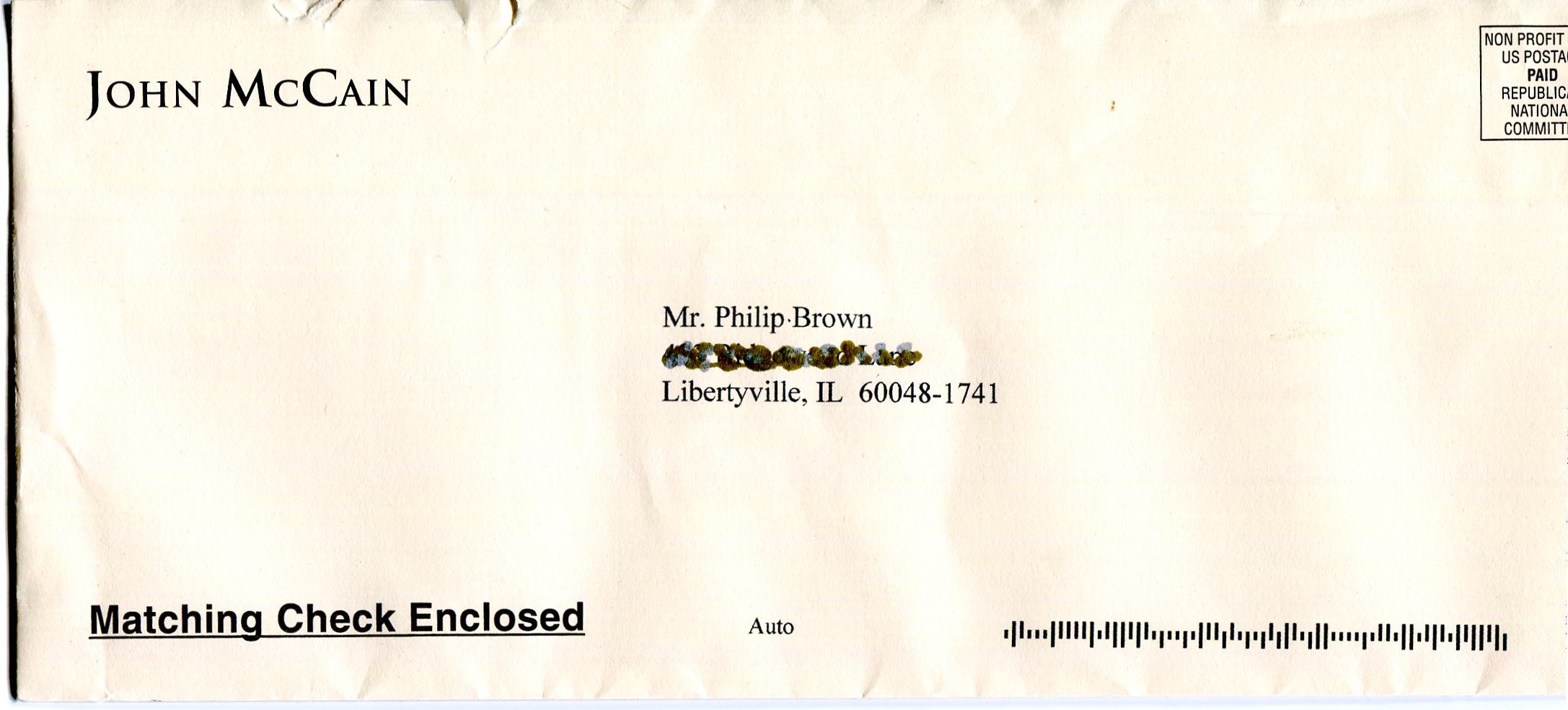
My walk to the mailbox today was rewarded with a letter from John McCain’s desk.

It was especially exciting to get his letter, because he enclosed a personal check!   Usually this works the other way around.

Anyway, I opened his letter to find a check for $36 bucks.  Unfortunately, or fortunately, depending upon your political stripe, it was made out to the Republican National Committee.

This is a very crafty gambit.

RNC  561 copy 2

Is it really the desk writing?  I wonder.

Seldom do we receive checks, and this one, measuring a modest 6″ x 2-3/4″ looks like the real thing.

What I liked about the approach of this fundraiser was the rationale.   The U.S. Senate has 36 seats up for grabs in the mid-term election, and McCain is donating a dollar for each seat.

I know, I know.  It should be more, but hey, have you seen his suits?

Sartorial comments aside, the dollar-a-seat strategy is a door opener for the tight-fisted, like me.   He is asking me to match his donation.

But I am puzzled. The RNC goes on to say it requires only $8,000,000 in the next ten days.  This seems like chicken feed compared to the dollars normally needed to buy an election.   I hope they know what they are doing.

RNC  557

The envelope needs to be opened, just to see the check!

In any event, they are counting on 222,222 folks like me, at $36 each, to respond.   At a 2% response rate, they must be asking over 11 million people.

I will leave the financial logistics to the back room guys.

I would point out, however, that after wresting $36 from my cold, thrifty mitts, John could have at least coughed up an additional 49-cents for the stamp on the return envelope.

A stamp! A stamp! The Senate for want of a stamp!

A stamp! A stamp! The Senate for want of a stamp!

You see, the face value of a stamp may seem like a lot to the RNC, but in this case, each one is worth $36 dollars.

Don’t forget to vote!

Standard
direct mail, Sports

Mail Order Law Course

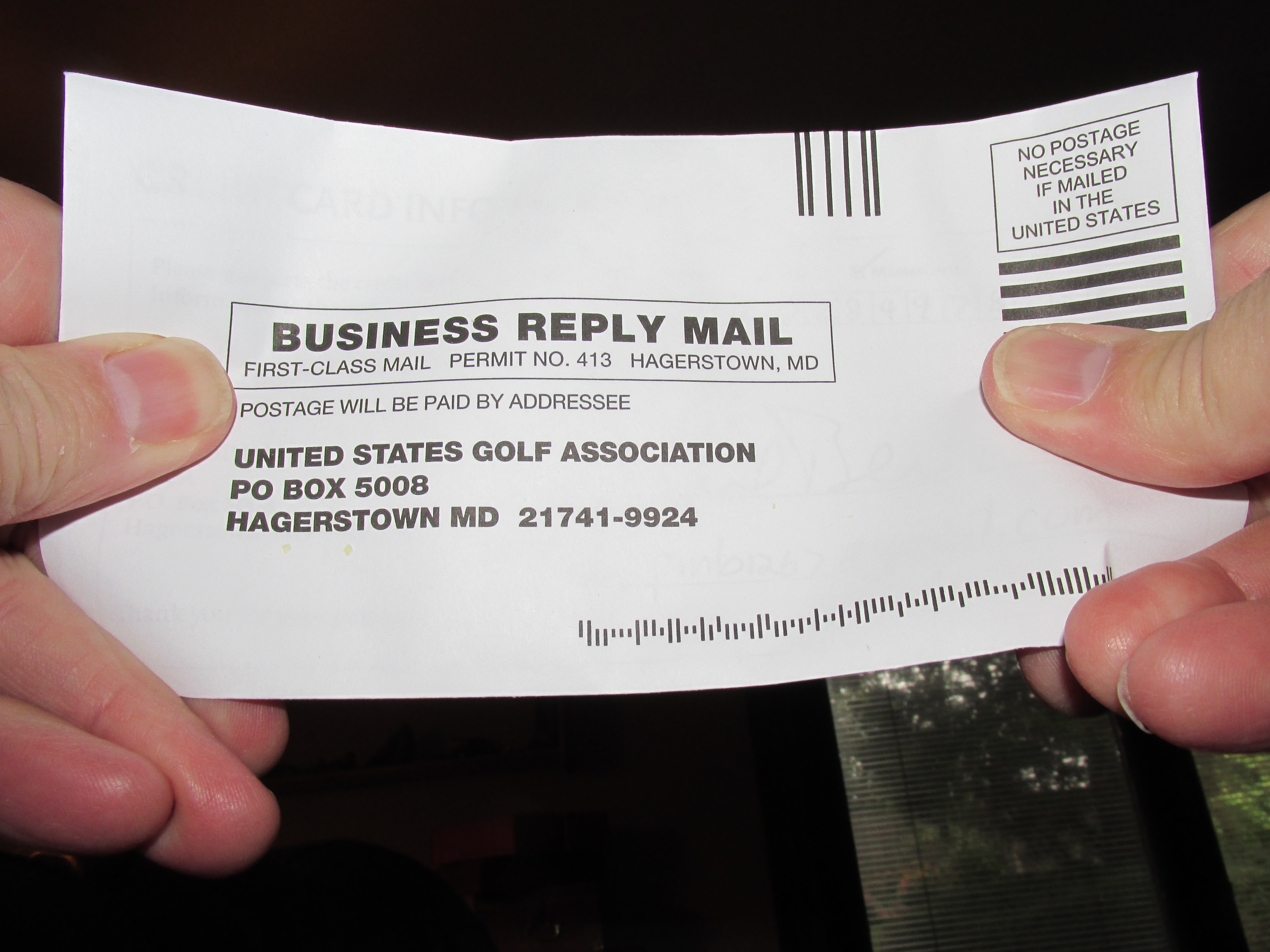
Only a couple weeks ago I excitedly popped my member application into the mail to the U.S. Golfing Association.

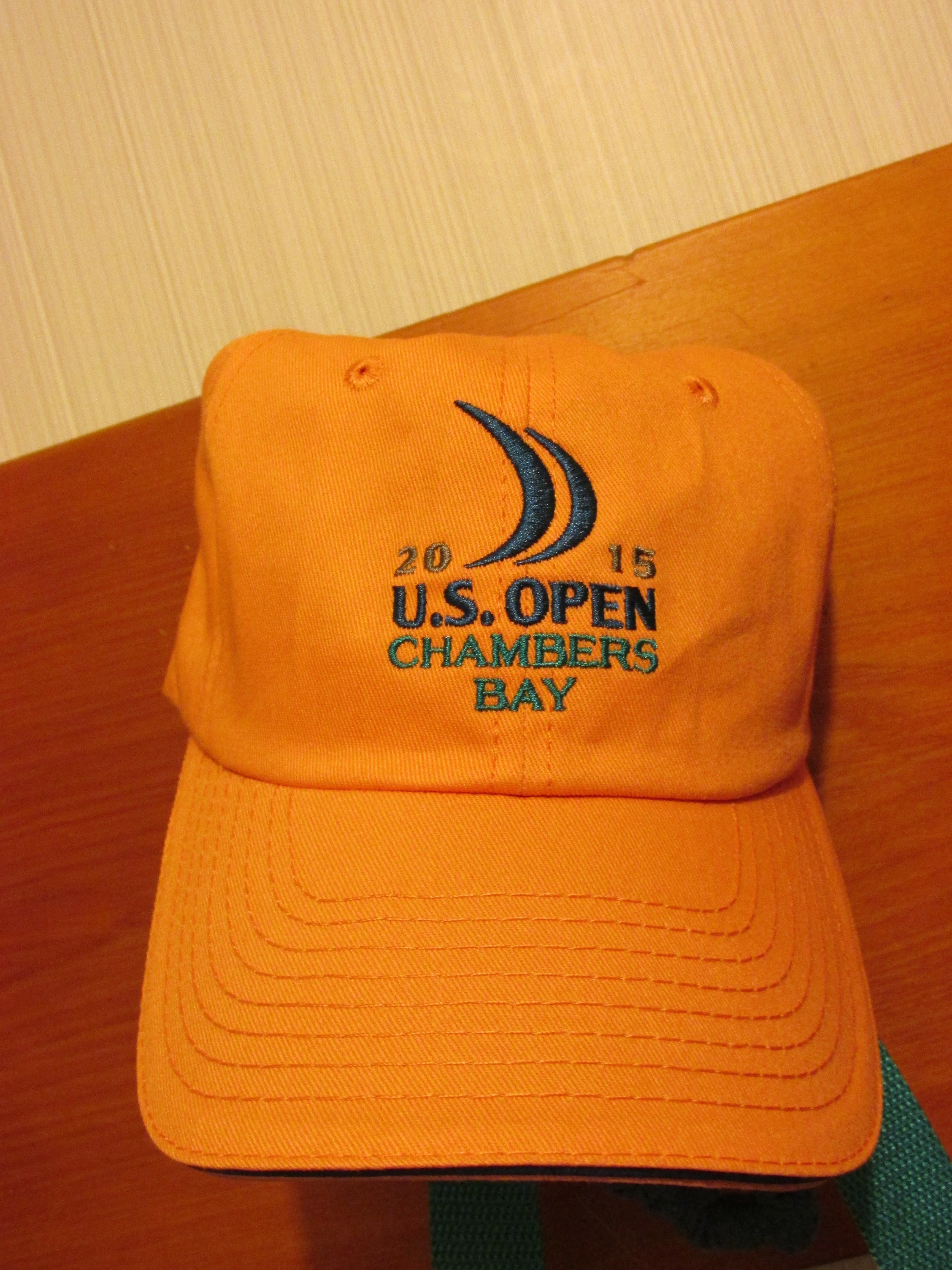
Tell me you agree: there is nothing like the anticipation attached to mail order, waiting for that parcel to arrive.   In this case, the USGA won me over with membership to their organization, and sweetened the deal with their 2015 Chambers Bay Open hat.

The Hat: Mailorder Delivers!

The Hat: Mailorder Delivers!

But there was more. They also promised an official member card, and a golf bag tag, and… the USGA official book, Rules of Golf.

Today, my package arrived, and I had torn it open by the time I had walked up the driveway.

Up until now, I had viewed the game of golf as an enjoyable diversion: walking the fairway in search of a runaway ball, or flumped on a couch Sunday afternoon, taking vicarious enjoyment and frustration while millionaires bounced shots off spectators onto lush, hand-tweezed greens.

IMG_1139

“I did not know that!”

With the Rules of Golf in hand, the sport has new deeper meaning, with profound implications.

It’s much like my driving a car for all my life.   Only now to find that our state Rules of the Road, or Driver’s Handbook has 96 pages of rules, none of which I knew.

The USGA book is twice the size.

As a duly accredited and newly admitted USGA member, I opened the Rules of Golf.   About the size of the iPhone 6, it has 208 pages, written in 6-point type.  It fits in my back pocket, and just like the iPhone 6, it bends easily.

It turns out that there are only 34 rules.  Well, 34 subject areas perhaps.   Then the lawyers have their say.

But in a moment of merciful brevity, the governors have provided “A Quick Guide to the Rules of Golf”.  Kind of like a Cliff Notes.  It’s only 7 pages, which you might browse through as you pay your green fees.

In a like-minded spirit of expedition, I am not going to review all the rules with you here, but I would be remiss in not highlighting a few key canons of the game.

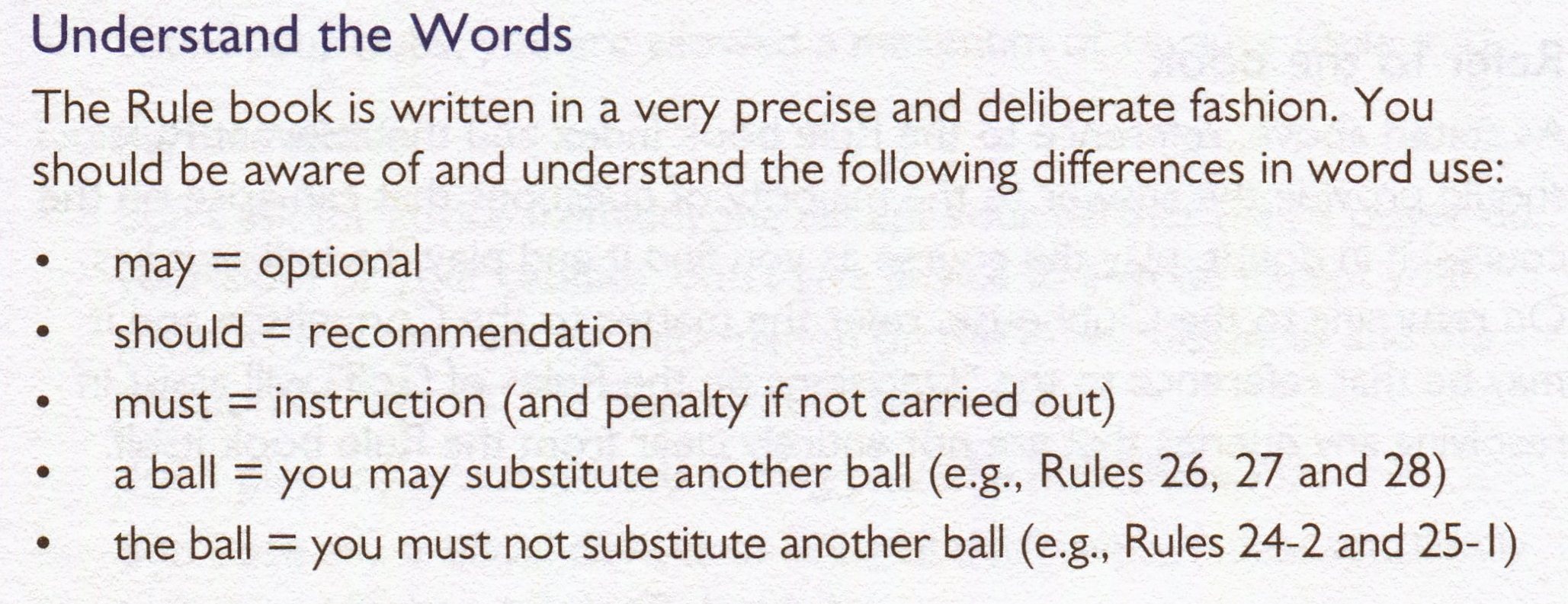
For instance, the attention to nuance as noted on page 9: “Understand The Words”.   You won’t find this type of consideration in the Drivers’ Handbook.

Grammar 101, with the bark left on.

Grammar 101, with the bark left on.

Or the oblique reference to emotion in the section on Unnecessary Damage, page 21.

"Now settle down, or we will stop the cart!"

“Now settle down, or we will stop the cart!”

Not to mention on page 37, the inside lore of match play, which identifies the condition for being a “dormie”.  We gather this is not a sleep mate, necessarily.USGA 534dormie

And the curious, repetitive references to remnants of manufactured ice which apparently is randomly found across the boundless green of the course.   One needs to study the forensics on this phenomenon.USGA 533 ice

And it pops up again…USGA 535ice casual water

Lastly, as we can expect, the USGA staffers make earnest attempts to define a circumstance for clearer understanding, as shown in the “Nearest Point of Relief”, page 30.

Not necessarily "fast acting" relief.

Not necessarily “fast acting” relief.

With that, I am off to the club, with my legal team in tow, and “for the good of the game”!IMG_1152


Thanks for reading!   In the midwest, the days are getting shorter, and the opportunity to enjoy a walk in temperate climate and sunshine is shrinking.  Kudos to USGA and their mission to bring golf to all who would enjoy the sport.  

“For The Good Of The Game” is copyright USGA.


Standard
direct mail, Marketing, Media, Sports

How the USGA Got My Attention, Fast.

My walk to the mailbox this morning was rewarded by an irresistible offer from the U.S. Golfing Association. A FREE hat!USGA 2014-09-15 505 hat

How can you say no?

Their generosity gives me hope, too. This may be the re-emergence of the direct mail gift premium.

Once there was a time when any subscription offer came with a free gift. A calculator. A tote bag.   We even received a world globe from Macleans Magazine.

IMG_1042

A worldly gift with every subscription.

USGA 2014-09-15 504

The USGA wants me. They actually want me!

This kit begged to be opened. Not because there was a hat, but because the USGA had enclosed a card. For me. An official USGA card for a horrible axe-wielding duffer who scores a rambunctious 108 on a good day.

My handicap is so far off the chart I get a special space to park the golf cart.

USGA 2014-09-15 505 card

I am keeping this close by until my real card arrives, with my hat.

Nevertheless, I am moved by the card. I want it. Opening the kit, I am further thrilled to see that I can join the USGA and get a FREE USGA Open 2015 hat.

USGA 2014-09-15 505 slogan

A great slogan. But they don’t know me well.

At this moment, we have approximately 30 hats on the coat rack, all emblazoned with someone else’s logo. I don’t need another hat. But truly, I want this USGA hat.

USGA 2014-09-15 505

A compact offer, with color, balance, and readable content.

It’s like they recognize me. And how I have toiled to write “single-bogey” on a par 3.

Economics: Does This Kit Pay For Itself?

USGA 2014-09-15 505 benefits

All this stuff comes with the hat. How can you decline?

As thrilled as I am, and I am sure countless thousands of other golfers are thrilled at a Free hat offer, will the USGA lose its shirt with this offer?

No way, and here’s why:

All in, the postage and production for this piece was probably 40-cents. Let’s say they mailed 100,000 pieces. That’s $40,000 out of pocket. Now imagine that 2% of the readers sign up. They each pay $10 to join USGA. That’s 2,000 new members, for $20,000.

But the hat probably cost USGA $10, so the USGA ends up with 2,000 new members, each with a new hat. And a $40,000 bill.

USGA 2014-09-15 507Imagine now that the USGA direct marketing manager goes into the president, and says, “Chief, I just got 2,000 new members. They cost us $20 each!”

He replies, “Awesome– because at least 1,000 of these members will renew next year for $25 each. And 50 of these members will come to the Open and drop about $250 a day sipping coolers in the Club at Chambers Bay between strolls along the course to see the pros.  We pretty much break even.”

Second Thoughts About The Hat

USGA 2014-09-15 505 email

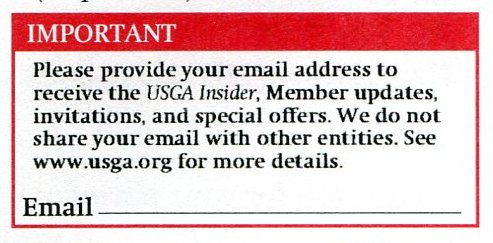
This microscopic email form has just enough room for “@”.

I have mailed my reply, and am quietly excited about my new hat.  And the free golf rules I get, and all the other stuff.  But really, it’s the hat.

IMG_1039

The thrill of mail order is waiting for the merchandise.

And then I start to think, what happens when I wear this hat?   First off, it’s yellow– school bus yellow.   So I will be easily identifiable on any golf course, or in any bar, as the duffer who went for the $10 hat.

Some earnest, scratch golfer will ask, “Are you going to the Open in Chambers Bay?”

“No, not really.”

“So why the hat?”

Or some hopeless hacker like myself will see the hat and ask, “Can you help me with my swing?”

“No. I’ll make your helicopter swing look like Blackhawk Down.”

So the hat is on its way, but I am not exactly sure I can wear it.

USGA PhilAnd that just might be “For the good of the game”.


Thanks for reading.   If you are a direct marketer, perhaps you should test out some gift premiums.   And make sure you put me on your list.

Standard
direct mail, Marketing, Media

Triple-A’s Got You Covered!

AAA 2014-09-06 483

An 11×13 kraft envelope. Pricey, but outstanding in the mailbox.

The AAA insurance offer I just received is a classic example of a winning direct mail design, with an important twist: it’s a fulfillment package. By that, I mean that it fulfills my request for a policy.

Only thing is, I didn’t request it.

If you’ve ever been concerned about getting insurance, procrastination is the obstacle. AAA’s direct mail effort overcomes that challenge. Why it works so well is that it presumes I want coverage.  Like Radar knowing Col. Blake needs a pen before he asks for it.

I don’t need coverage. But there are a reliable percentage of people out there who really do want insurance, and this optimistic kit sets the table very nicely. Here’s how:

1. Trust: being a AAA member, I trust and use the company for roadside assistance, and a pretty much guaranteed 10% off any hotel bill.

2. The Envelope: unusual, but not weird. It’s big.   AAA is paying USPS a significant postage premium for this over-sized envelope, but as in life, size counts.   It’s kraft brown paper, portrait orientation, and has a “business forms” look about it with side zipper for opening.

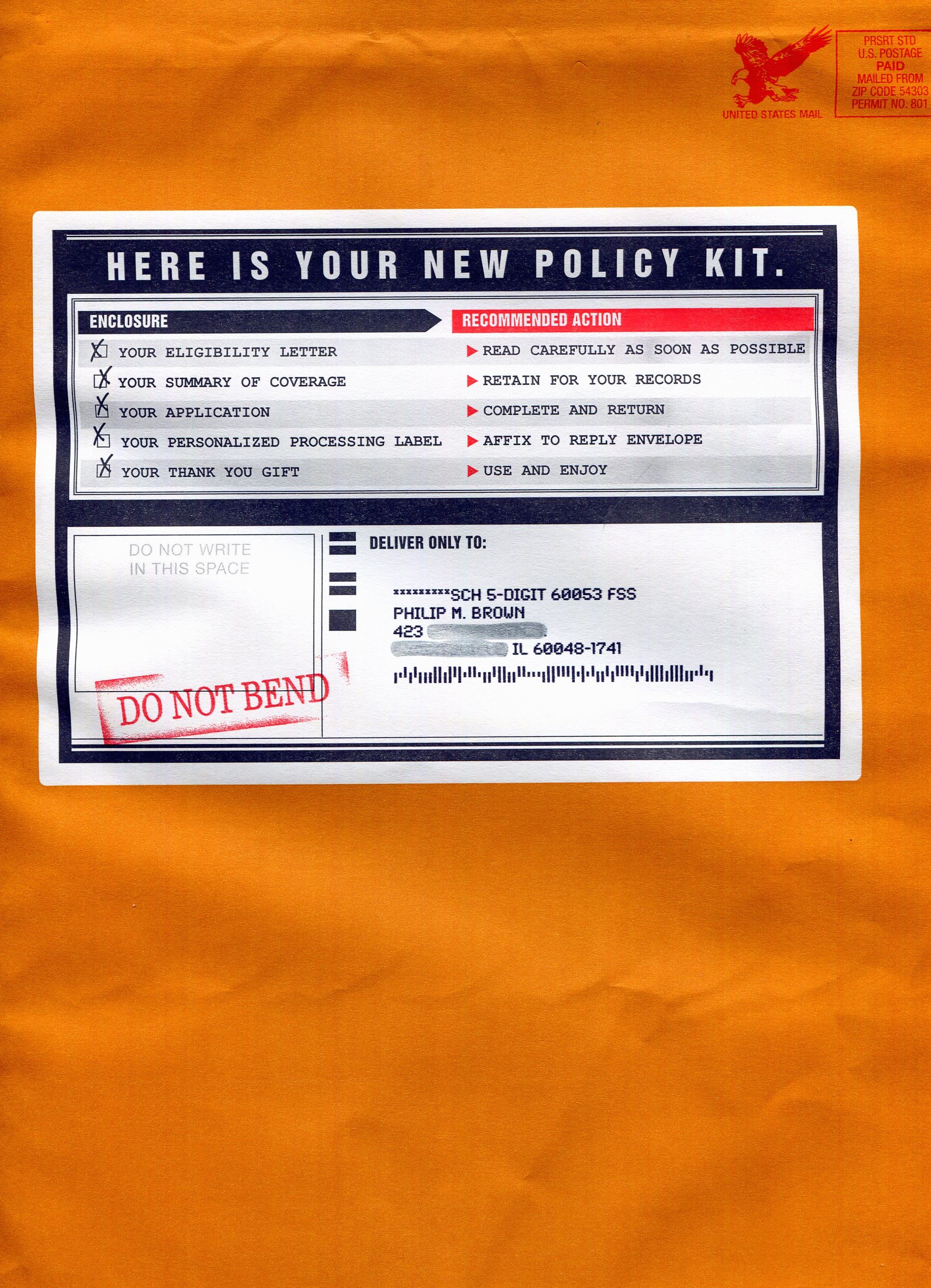
AAA 2014-09-06 483 copy

This label sets the agenda: there’s stuff inside, and it’s “yours”.

3. The oversized label announces “HERE IS YOUR NEW POLICY KIT”.  Yikes.  What’s this?

4. The manifest: the label details five items inside, including a “Summary of Coverage” which one would infer is already in effect. Amongst other things, there is a “Thank You Gift”, again reinforcing the fait accompli.

5. DO NOT BEND: marketers can only say this if there is a  legitimately unfoldable item within… like a sterling silver name plate… no, sorry, not really, but it does raise our hopes.

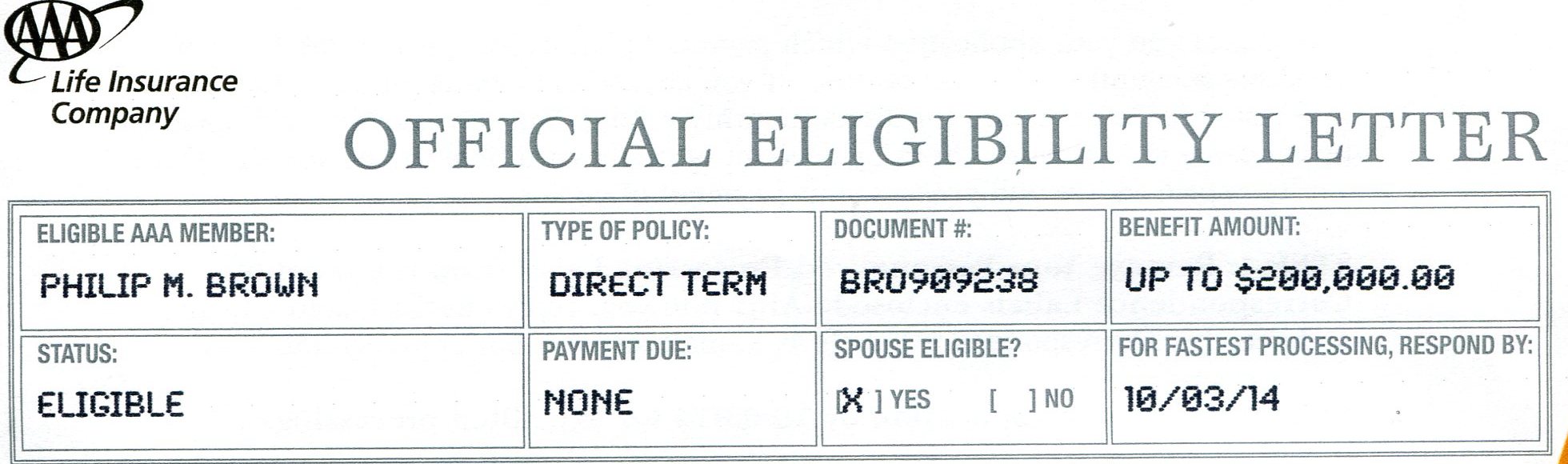
AAA 2014-09-06 484

“OFFICIAL ELIGIBILITY” is good enough. The zip strip advises to fold and tear off…as if we needed help.

6. An OFFICIAL ELIGIBILITY LETTER: sounds a little pretentious. I would have dropped “LETTER”. But the title is followed by some computer-generated data dropped into pre-printed boxes.

AAA 2014-09-06 484 copy 2

Evolutionary Throwback: Upper Case Dot Matrix… for the 80’s crowd.

Note the font. Institutional in appearance, it would warm the cockles of any actuary’s heart just to hear the buzz of an 80’s-era dot matrix printer ripping across the page as a cogged wheel advances the continuous form.

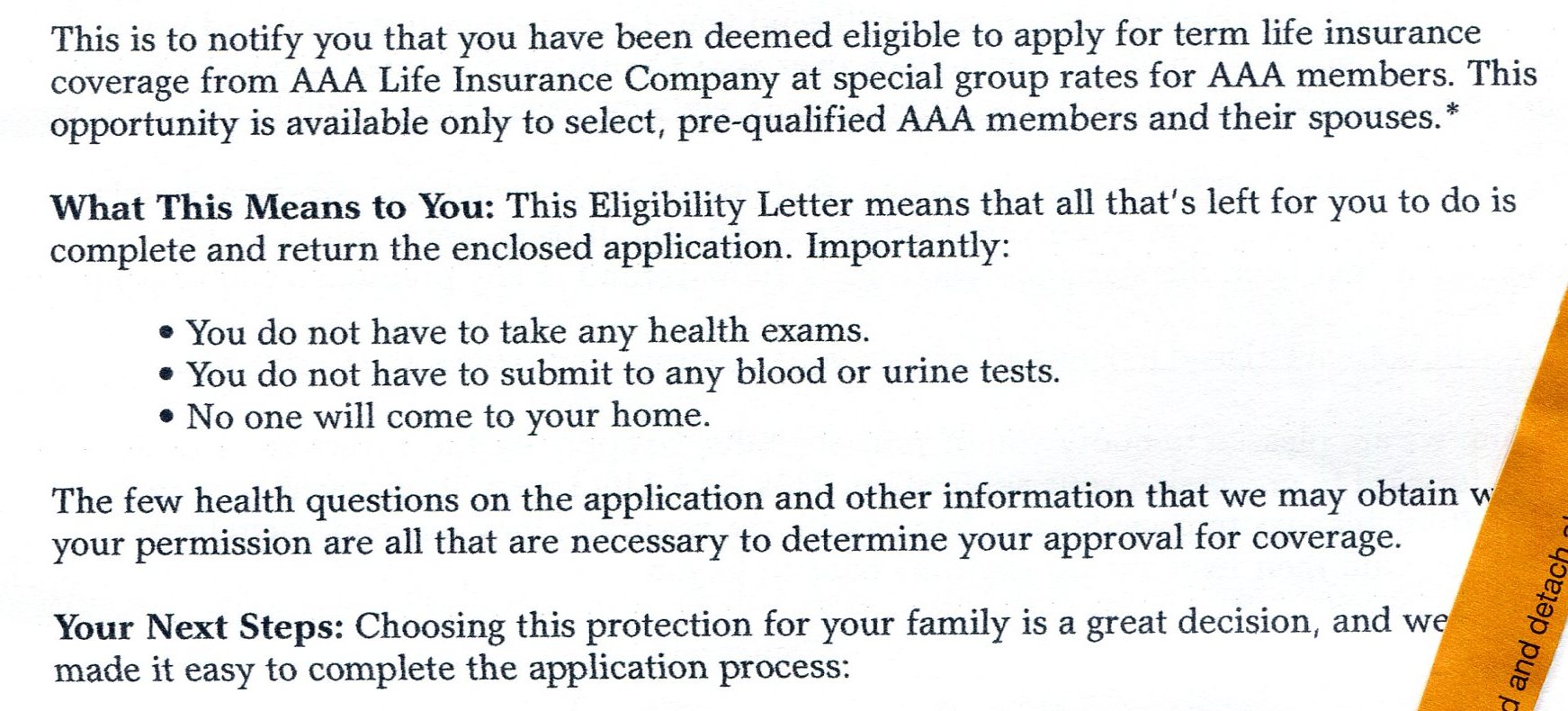
7.   The terse opener: “This is to notify you”

8.   The heads up: “What This Means To You:”

AAA 2014-09-06 484 copy

Commanding, but not demanding copy… and risk is eliminated in three bullets.

9.   Three “No Risk” bullets:  there are two kinds of risk in direct mail.   The obvious one is, “getting ripped off”.

The not-so-obvious risk is the personal hassle that follows saying “yes”.   This letter advises there will be no medical exam, no sending samples, and best of all, no sales person.  So we can put the latex gloves away.

10.   Your Next Steps: from here on, the letter simply instructs the reader how to apply.   There are 5 steps, the last being a deadline date which will be reinforced throughout the kit.

AAA 2014-09-06 485

Penmanship fitting for a President!.

11.   Very important: the letter is signed by a titled officer of AAA Life Insurance.   Unfortunately, I think the writer, Harold W Huffstetter, Jr. suspects that I am a nefarious check forger.   If that is his actual signature, I cringe at the zeal and rabid discipline of his 4th grade teacher who taught him penmanship.

12.   A personalized COVERAGE SELECTION CHART.  (Not shown) There are oodles of legal hurdles that surround direct mail insurance marketing– the prospective insured can’t complain for lack of information.   A close look offers a financial pat on the back for non-smokers, though.

Incidentally, dirt cheap prices start at 18 years of age.   Do Millennials buy insurance?   I doubt it, but it entices the Baby Boomer to look on.

AAA 2014-09-06 486

Application is highlighted and well-spaced.

13.   A color-highlighted application form.  Again, this form probably underwent a martyr’s gauntlet of legal reviews.  I like it because it adds color to an other-wise bland package.   And there’s appropriate spacing for names and addresses.

AAA 2014-09-06 486

This QR code (smudged for confidentiality) pulls up my information.

14.   But note the QR code in the upper right corner.   Could it be that I scan that and immediately apply online?  Nope, and a good thing too.   A distracting jump to a website at this point could kill the sale.

In fact, the QR code is for the data-entry folks at AAA.   When scanned, it identifies me, and all the tracking detail attached to my record.

AAA 2014-09-06 490

Questions are answered. Note the display of contents.

15.   The SUMMARY OF COVERAGE is explicit.  What is attractive on this piece is the table of contents on the front cover.   This is a benefit piece, and again, is described in plain, low energy language.

AAA 2014-09-06 494

Labels. We will never have enough labels, really!

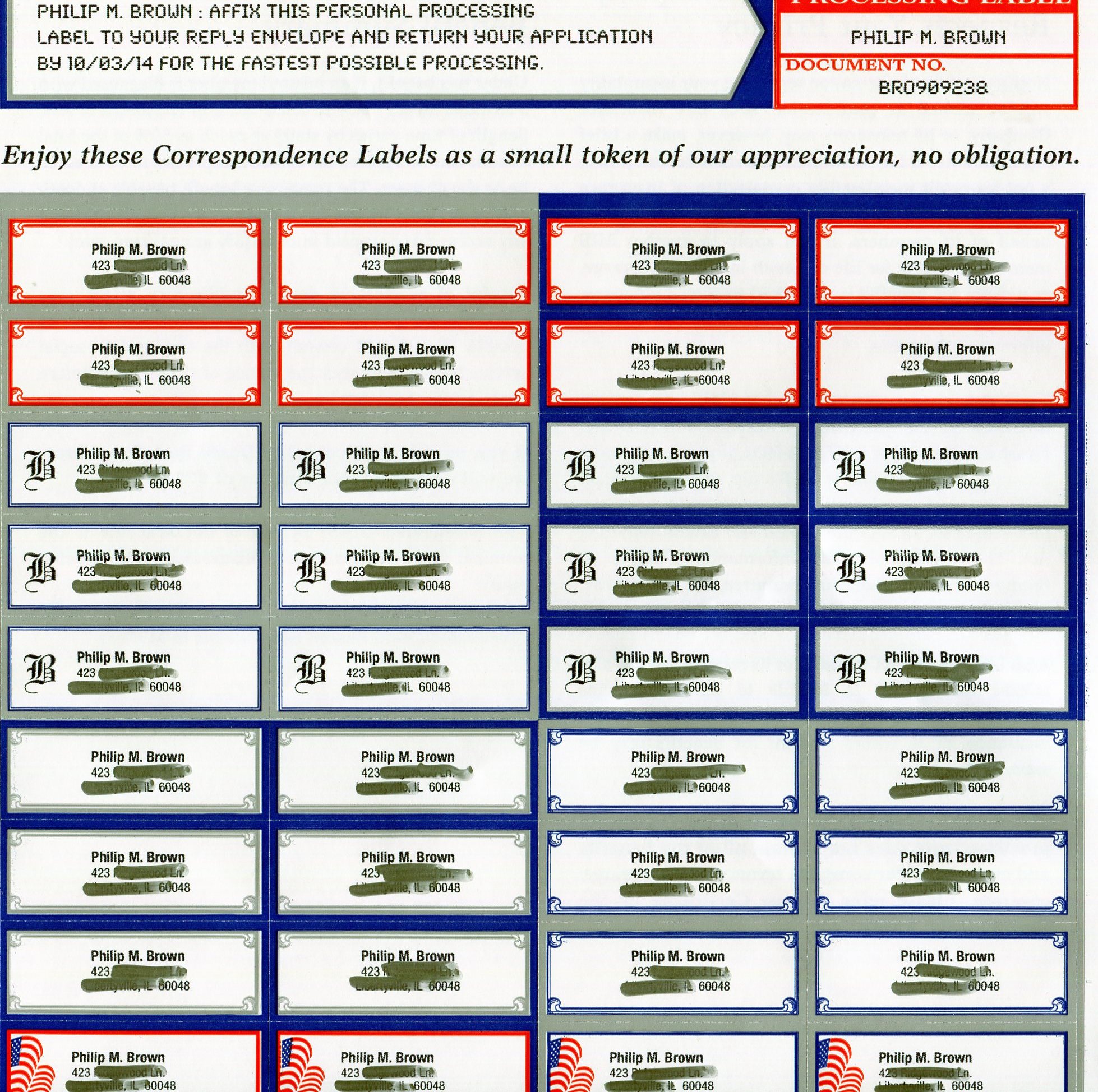
16.    My Thank You Gift.   This is what everyone looks for in the kit.   The unfoldable item.   Here, the gift is a set of address labels.

You know, there is a future for address labels that extends beyond mailing your next bill payment.

Address labels find themselves on everything portable: cell phones, laptops, tablets, phone batteries, cameras, dog collars, staplers, strollers and DVDs.   If it moves and it’s yours, it could use a label.   Warren Buffet may label every freight car of BNSF Rail some day.

AAA 2014-09-06 495

The reply envelope has two perfs. One for tearing, one for folding. Don’t mix them up!

17.   Lastly, a blue reply envelope with motherly reminders to sign and date your application and…AND… to affix your PERSONAL PROCESSING LABEL!

While you may think this is hokey, I bet you a dollar that AAA’s mail box is stuffed with reply envelopes that carry the label, regardless of its seeming irrelevance.   Why?  First, we don’t want to jinx our life karma.  And second, we like to play with sticky things. Honest.

One thing with the reply envelope– I wonder how many get destroyed by confused customers who tear off the wrong perforation.  white_scissors_u2704_icon_256x256A little scissors icon would help.

When reduced to ink on paper, insurance marketing is pretty staid, but consumer friendly.   What it lacks in emotional appeal it makes up in trustworthiness, as this kit demonstrates.   Most important, it didn’t try to sell; it assumed already that I was prepared to apply.

And that’s why it works.


Thanks for taking the time to get to here.   Please pass this along to your direct mail friends.  Thanks!


Standard
direct mail, Economics, Environment

Zapped: How Your Utility Saves Energy

ComEd 2014 -06 273 doubleCommonwealth Edison is craftier than you might think, compared to the traditional image of the big, dumb, power company.

We are used to receiving their monthly ransom note.   It is comprehensive in detail, reducing our extravagant lifestyle to bar charts that rise and fall with every change in the weather.  But beyond the normal appeal for money, we now receive a separate Home Energy Report.

The statement has no billing or stern demands.   Instead, it reports how your household is doing compared to the neighbors.   ComEd 2014 -06 barsThat’s right, compared to the igloo on your left whose roof is sooted with burnt whale oil.  Or to the right, your very private neighbor who has lights blazing in the basement, around the clock.

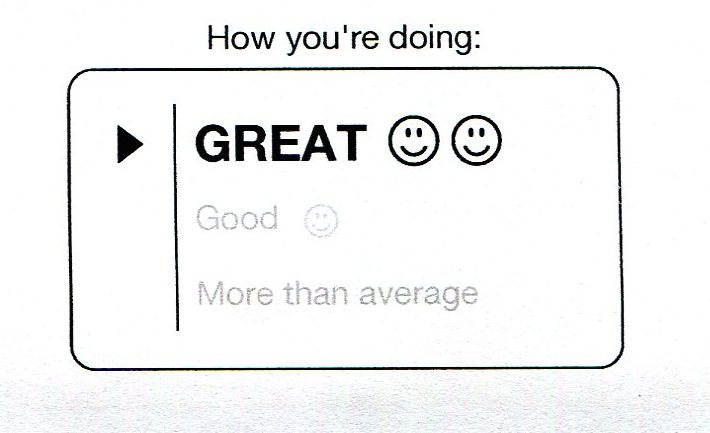
ComEd 2014 -06 270 SmileyOur report gave us a couple of smiley faces.    In the energy world, happiness is about abstinence, and we have aced, barely on the grid at all.

The report said in essence: “Compared to 100 close-by neighbors you are living the life of Scrooge in the dark; you must be cold at night, and survive on canned food and powdered eggs, since you don’t have a fridge, let alone AC.   P.S. Have a nice day.”

Careful review of this colorful, and highly personalized report reveals that the news comes from a company called Opower.

Not to be mistaken for, or associated with a day-time talk show queen, Opower serves some 93 utility companies across the U.S., Canada and globally.   It ingests and assembles all energy usage information to create report cards for over 32 million households.

ComEd 2014 -06 270LinesAt first, this looks like an unnecessary expense, adding to our monthly bill.  It turns out however, that peer pressure is a powerful motivator.   Opower’s reporting service has reduced electrical energy usage by 4 billion kilowatt-hours since inception.     That is roughly one-third of your average nuclear power plant’s yearly production.

So why does Com Ed benefit from cutting output?   ComEd 2014 -06 SavingsAnd why spend extra money generating reports to reduce utility billings?  Because building new plants to meet energy demand is very, very expensive, and guess who is paying for them– us.   It further turns out that Com Ed’s customer satisfaction rates have bumped up since the reports started.   Consumers are educated and empowered (haha).

The darker side of the energy reports is the growing suspicion about our 100 neighbors.   I think they are having more fun.


If you enjoyed this, or know someone who would, be sociable, share!  Thanks for reading.


Standard
direct mail, Economics, Marketing

Just Like Money

<<Spoiler Alert: The incredible reason why retailers flood our pockets with cash every day.>>

Mailbox Money

The mailbox delivers the green– for consumer and marketer alike.

We are having an outrageously good time with store coupons.  As we exit the mall, it takes a 50-pound anchor tied to our belts to stop us from running frantically, eyes over our shoulders, across the parking lot to our get away car.

Why?

Kohl’s, one of America’s most renowned stores, mails us $10 cash coupons with no strings attached.  “Just spend it!”

Hunh? 

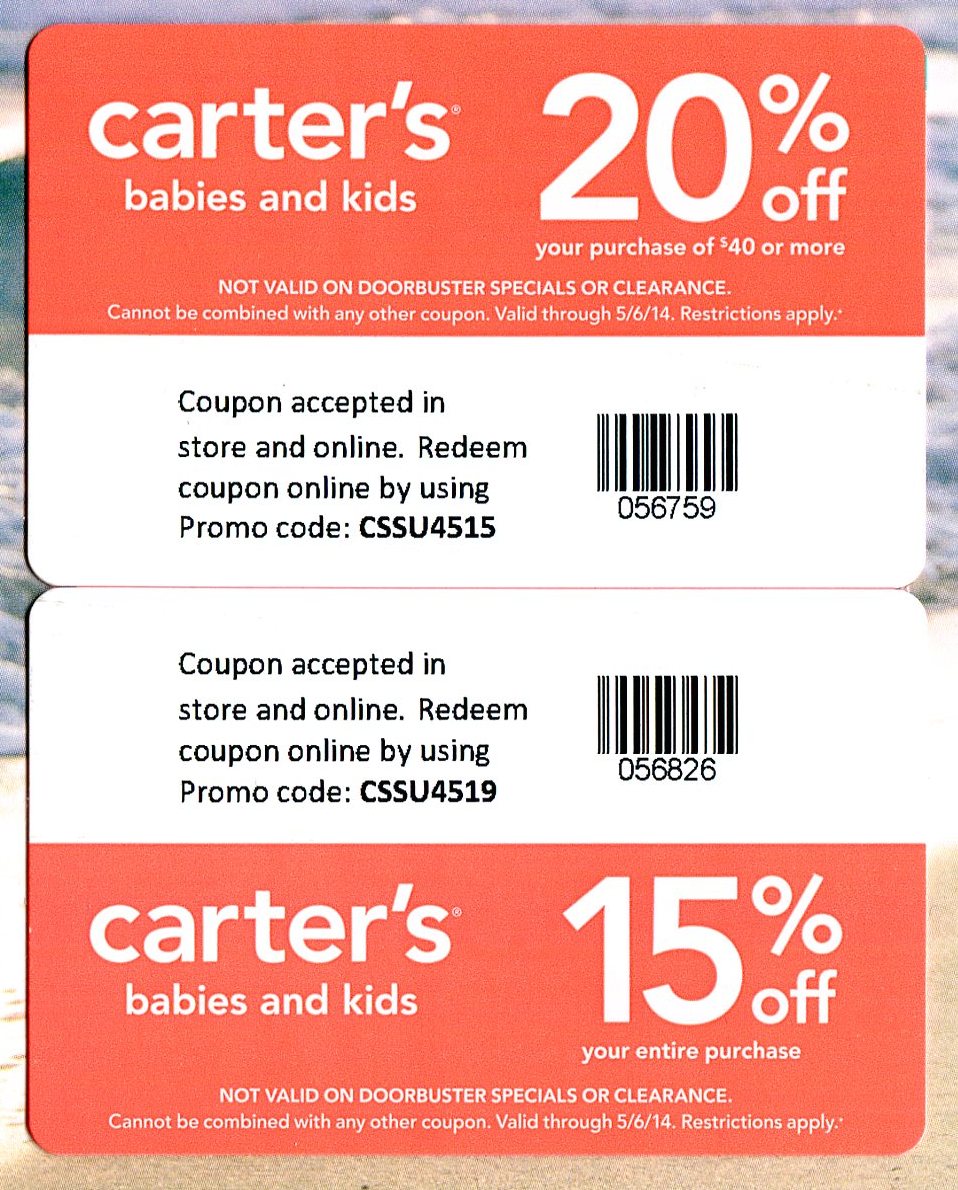
"Here's a discount card, no wait, here's TWO discount cards!  Go shop!"

“Here’s a discount card, no wait, here’s TWO discount cards! Go shop!”

Carter’s throws in a 20% discount for a $40 purchase.  And another– 15% off everything, period.

Bed Bath & Beyond churns out $5 coupons faster than the U.S. Treasury, which is saying something.

Ulta hands us $3.50 just to spend $10.   We have enough conditioner for the entire cast of Muppet Movie 3.

BBBY coupons come so quickly we bale them.

BBBY coupons come so quickly we have to bale them.

For some, coupons are clutter in the mailbox.  For many, they reveal how weak we really are.  Despite our supposed disdain for direct mail, we read each coupon carefully…. and then sneak into the store late Sunday night with a fistful, and a bag over our head.

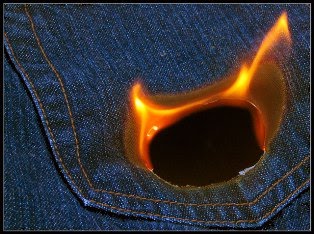
holeinpocket

‘Just can’t spend the coupon fast enough.

At our house, coupons are incendiary devices, capable of exploding into flames when placed in the pocket.

For instance, I am mailed a $5.00 rebate card from ACE Hardware.   The card sits between the salt and pepper shakers, Tasering me to rise from my chair, go to ACE and buy something, even a bag of sheep manure, just to use the money.

ace manure

Buy something— anything!

My wife is a coupon maven.  She gets the deal, but escapes the accompanying load-up the marketer hoped for.

For instance, that $10 cash gift from Kohl’s?   She tenders it, usually on a $20 item marked down to $10.00.  “Look honey:” she beams, “7 pairs of  underwear, for nothing!”   Totally void of guilt.   Butter would not melt in her mouth.

So how does the retailer really fare with these incredible deals?

Not bad, if you look at the right numbers.

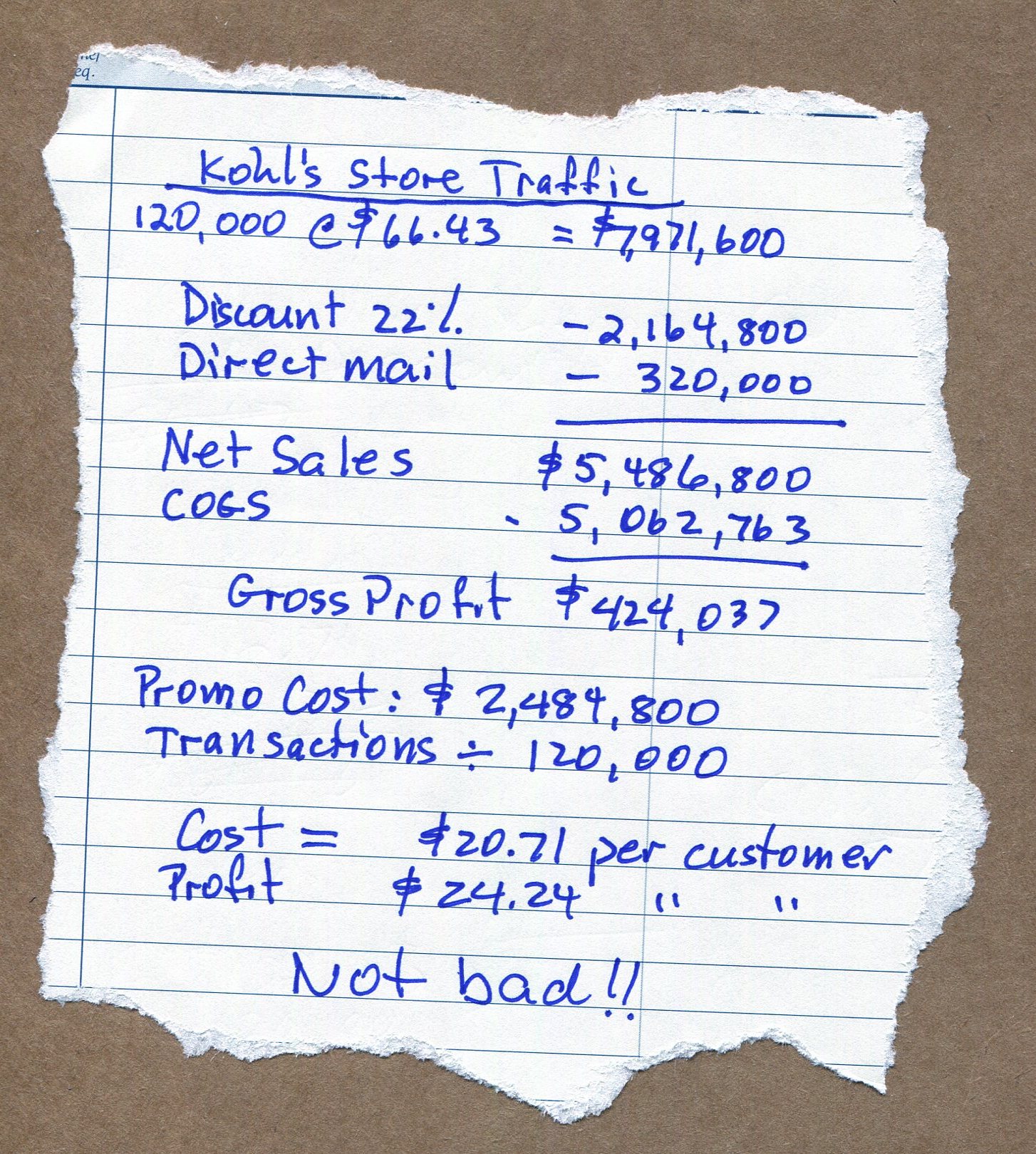
CouponCabin.com does an excellent job of capturing all the publicized deals of a retailer.   It spins them back to any shopper savvy enough to ask for them online.   The company regularly totals results, and in the case of Kohl’s, reports the average shopping cart is $66.43 before $18.04 in coupon savings.  A 22% discount.    That’s a promotional cost, and it comes out of gross profit.

"Take this money, please!"

“Take this money, please!”

January 2014 Kohl’s gross profit margin was 36.49%….. 7 and 11 points better than Target and Walmart respectively.

Kohl’s cost of goods (COGS) was 63.51%.

So are the Kohl’s people nuts, or is this normal business to throw gobs of money out the window?

It boils down to how much Kohl’s will pay to get an extra visitor into the store.

Bottom line: a profit with every sale.

Bottom line: a profit with every sale.

Say they mailed a 1,000,000 coupons, and 15% were redeemed.   150,000 purchases!   But set aside 30,000 purchases for those folks who would have bought the items anyway.   So the mailing generated 120,000 additional transactions, each with a shopping cart of $66.43.  That’s $7,971,600 in extra sales.   But the 22% discount takes away $2,164,800.  And subtract the mailing cost of $320,000.   Kohl’s is left with $5,486,800 cash to pay for the goods sold: $5,062,763 ($7,971,600 x 63.51% COGS).

Bottom line, Kohl’s promotion cost $2,484,800  and delivered $424,037 in extra profit. That is a 17.1% ROI.  Not bad.  You can’t run your whole business that way, but to generate extra sales and margin, still a pretty good day.

And here’s another perspective: the promotion delivered 120,000 extra store visits at a cost of $20.71 each.  And because the gross margin on each cart was $24.24 ($66.43 x 36.49%), Kohl’s did better than break even.

So that is why you find oodles of deals in your mailbox every week.   They work!

Boots

“Buy one, get one free!”

And my bottom line? I am looking for a deal on rubber boots.  To spread the sheep stuff.


If you got this far, I hope you took in all the math.  As with all retailers, these are big, scary numbers.   But well targeted direct mail makes them work.   Please share this article if you liked it!  Thanks.


Standard